
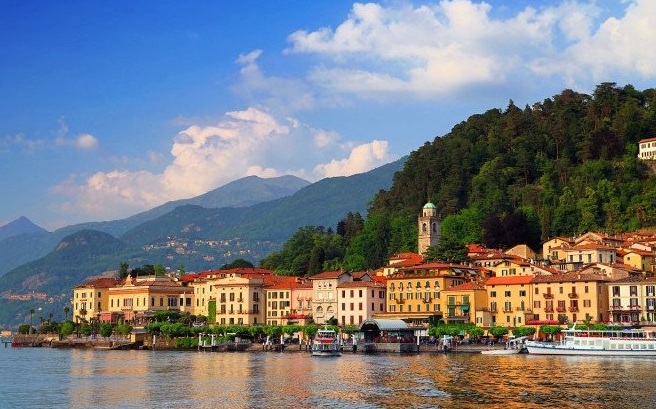

The enchanting shores of Lake Como have long captivated the hearts of artists, writers, and travelers alike. This stunning lake, nestled in the foothills of the Alps, is a masterpiece of nature, its waters shimmering under the Italian sun and its steep hillsides adorned with picturesque villages, grand villas, and lush gardens. The aura of this place is timeless, echoing with the whispers of history and artistry.

History and Origins
The origins of Lake Como can be traced back to ancient times, when it was known as Larius Lacus by the Romans. It was an important trade route, connecting various regions and facilitating commerce. The city of Como itself dates back to the Roman era, established around 196 BC as a military outpost. Over the centuries, it evolved into a thriving center of culture and trade, and even served as a strategic location during the Gothic Wars in the 6th century.

Key historical events, such as the construction of the Cathedral of Como in the 14th century, marked the city’s architectural and cultural development. The Renaissance further enriched the region, bringing forth a wave of artistic inspiration that attracted luminaries like Gioacchino Rossini and Giuseppe Verdi, who composed some of their most celebrated works while staying along the lake.
Art and Architecture
The artistic heritage of Lake Como is as deep as its waters. The Cathedral of Como, a striking example of Gothic architecture, boasts intricate facades and beautiful stained glass that narrate biblical tales. Not far from the cathedral lies the Basilica of Sant'Abbondio, a Romanesque masterpiece known for its stunning frescoes and serene atmosphere.
The lake is also dotted with opulent villas, such as Villa Olmo, a neoclassical gem that hosts art exhibitions and cultural events. Villa Carlotta, situated in Tremezzo, is renowned for its botanical gardens and 19th-century art collections, including works by Antonio Canova. The artistic significance of the area is palpable, with every corner whispering stories of creativity and inspiration.
Local Culture and Traditions
The culture around Lake Como is rich and vibrant, deeply intertwined with local traditions that have been passed down through generations. Festivals like Sagra di San Giovanni, held in June, celebrate the summer solstice with fireworks and parades, illuminating the night sky above the lake. The Palio del Baradello, a historical reenactment, takes place in Como every September, showcasing medieval competitions that highlight the city’s heritage.
Local customs are also reflected in the culinary traditions of the region. Visitors can partake in the age-old practice of fishing on the lake, which has been a staple activity for centuries, contributing to the local cuisine and lifestyle.
Gastronomy
Speaking of cuisine, the gastronomic delights of Lake Como are not to be missed. Traditional dishes such as risotto con pesce persico (risotto with perch) highlight the fresh catch from the lake, while polenta remains a staple comfort food, often served with a variety of meats and sauces.
For those with a sweet tooth, the region is famous for its torta di pane, a rustic bread pudding typically flavored with chocolate and nuts, perfect for indulging after a day of exploration. Pair these dishes with a local wine, like Inferno, produced in the nearby Valtellina wine region, to experience the true flavors of Lombardy.
Lesser-known Curiosities
While many visitors flock to popular spots, Lake Como holds hidden gems waiting to be discovered. For instance, the Greenway del Lago di Como, a scenic walking trail, offers breathtaking views and leads through charming villages, allowing travelers to experience the tranquil beauty of the lake away from the crowds.
Additionally, the Villa del Balbianello, a historic villa in Lenno, is not only famous for its stunning views but also as a filming location for iconic movies like "Star Wars: Episode II - Attack of the Clones" and "James Bond: Star Wars".
Another interesting fact is the Como Silk Museum, which celebrates the city’s historic silk production, showcasing the artistry and craftsmanship that have contributed to its economy and cultural identity.
Practical Visitor Information
The best time to visit Lake Como is during the spring (April to June) and early autumn (September to October), when the weather is mild and the landscape is ablaze with color. Summer months can be crowded, but they offer vibrant festivals and lively outdoor activities.
Travelers should take advantage of the ferry services that connect various towns around the lake, providing a unique perspective of the breathtaking scenery. A ride on the funicular from Como to Brunate rewards visitors with panoramic views that are nothing short of spectacular.
To fully appreciate all that this region has to offer, consider immersing yourself in its local culture, perhaps by taking part in cooking classes or guided tours that delve into its rich history.
Lake Como is not just a destination; it is a tapestry of experiences waiting to be unraveled. From its historical roots to its culinary treasures, every visit offers something new to discover. For a personalized journey through this enchanting region, use the Secret World app to plan your ideal itinerary.


