
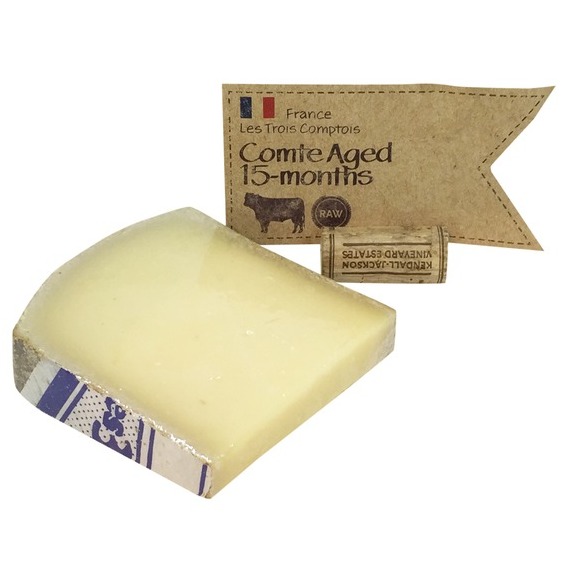

Nestled in the heart of Francia, the Comté region is not just famous for its delectable cheese but also steeped in a rich history and vibrant culture. This celebrated cheese has origins that trace back to the Middle Ages, with recorded production dating back to 1200 AD. The region, part of the Jura Mountains, is known for its lush pastures and scenic beauty, which are crucial for the quality of the milk used in making Comté cheese.
The cheese itself is made from unpasteurized cow's milk, predominantly from the Montbéliarde breed, which thrives on the diverse flora of the region. The production process is meticulous and traditional, involving fresh milk poured into large copper vats where it is warmed and treated with rennet. This art of cheese-making not only preserves age-old techniques but also reflects the terroir of the region, which is a significant aspect of its AOC (Appellation d'Origine Contrôlée) status.
Architecturally, the Comté region is charming, dotted with quaint villages and stunning farms. Notable structures include the Fortified Town of Salins-les-Bains, a UNESCO World Heritage site that showcases the rich history of salt production in France and its connection to the cheese trade. The town's historic buildings are a testament to the region’s architectural evolution, blending medieval defenses with Renaissance elegance.
Local culture thrives in the Comté region, with numerous festivals celebrating cheese and the pastoral lifestyle. The Fête du Comté, held annually in late summer, draws visitors from near and far to enjoy cheese tastings, traditional music, and local crafts. This festival not only promotes Comté cheese but also brings together the community, celebrating the agricultural heritage and craftsmanship of the region.
When it comes to gastronomy, Comté cheese is versatile. It pairs beautifully with white wine from the neighboring Jura region, particularly the Savagnin or Chardonnay varieties. Local specialties include the Comté tart, a savory pie filled with the cheese, and Fondue, a dish that showcases the melting characteristics of Comté. The cheese’s mild, nutty flavor enhances a variety of dishes, making it a staple in both local cuisine and gourmet cooking.
For those seeking lesser-known curiosities, the Comté region holds many surprises. Did you know that each wheel of Comté cheese is stamped with a unique identification number? This practice helps trace the cheese back to its origins and ensures quality control. Additionally, Comté is aged in specific cellars, which are carefully monitored for temperature and humidity, further influencing its flavor profile. Each maturation period can yield different tasting notes, from fruity to nutty, making every bite a unique experience.
The optimal time to visit the Comté region is during the late spring and summer months, from May to September, when the landscapes are lush and vibrant. Visitors are encouraged to explore local farms, where they can witness the cheese-making process firsthand. Many farms offer tours and tastings, providing an intimate look at this artisanal craft. Be sure to bring a camera to capture the stunning vistas of rolling hills and grazing cows, a quintessential part of the Jura landscape.
As you plan your visit, consider downloading the Secret World app to create a personalized itinerary that captures the essence of the Comté region and its remarkable offerings.


