



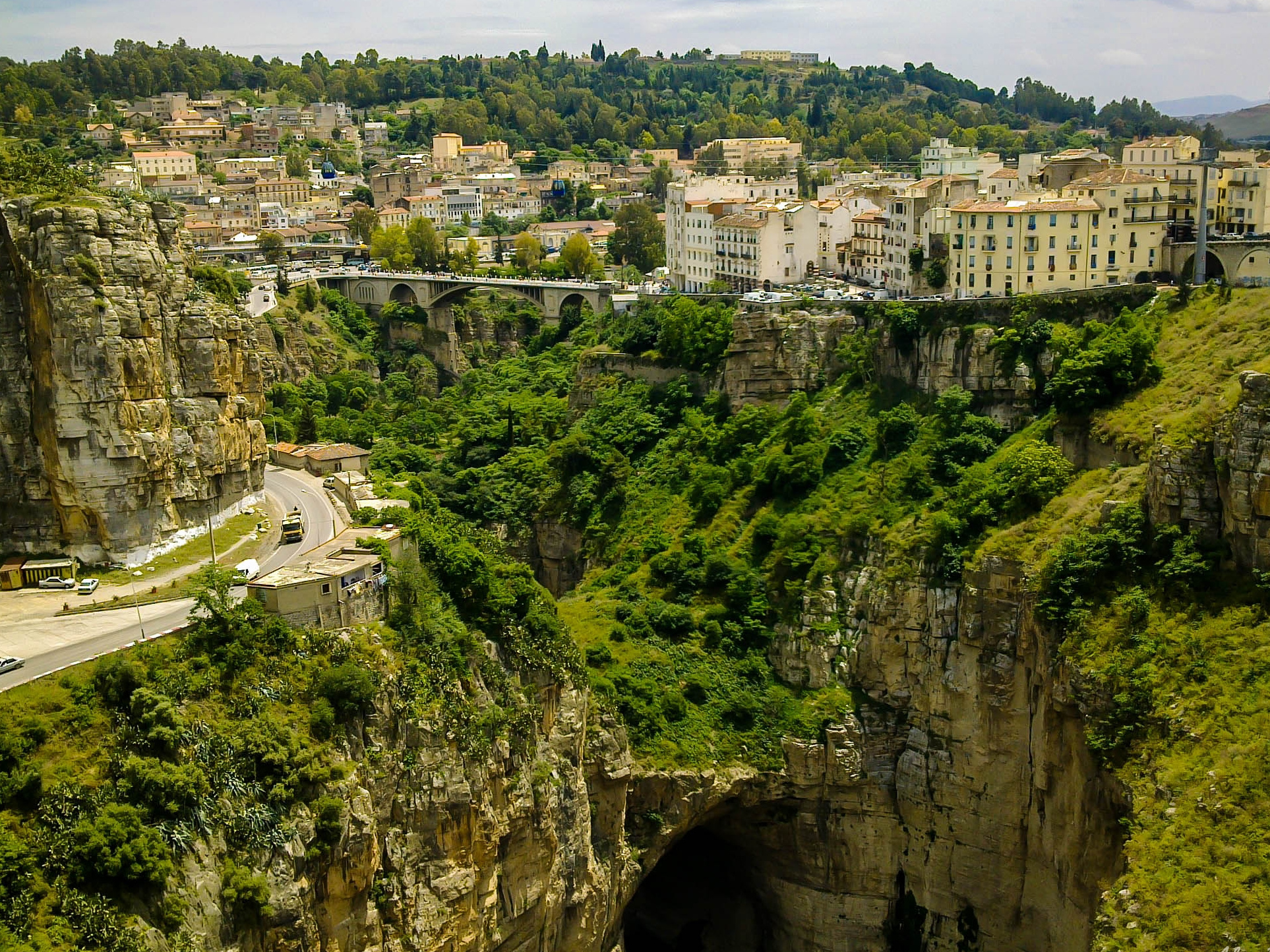
Nestled atop dramatic cliffs and often shrouded in a veil of mist, Constantine is a marvel waiting to be discovered. Known as the “City of Bridges,” this enchanting city in northeastern Algeria boasts an impressive collection of bridges that span the deep Rhumel River gorge, creating a breathtaking landscape that feels like stepping into a fantasy.
### History and Origins
Founded in 600 BC as Timgad by the Phoenicians, Constantine has a rich and storied history. It was named after the Byzantine Emperor Constantine the Great in 313 AD, reflecting its significance during the Roman era. The city flourished as a cultural and political center, with the construction of monumental architecture, including temples and theaters.

The most notable historical event occurred in 1837 when the city was captured by French forces, marking the beginning of a long colonial period that greatly influenced its architectural landscape. The tumultuous history is echoed in the city’s layered architecture, showcasing Ottoman palaces alongside French colonial buildings, each telling a story of resilience and adaptation.
### Art and Architecture
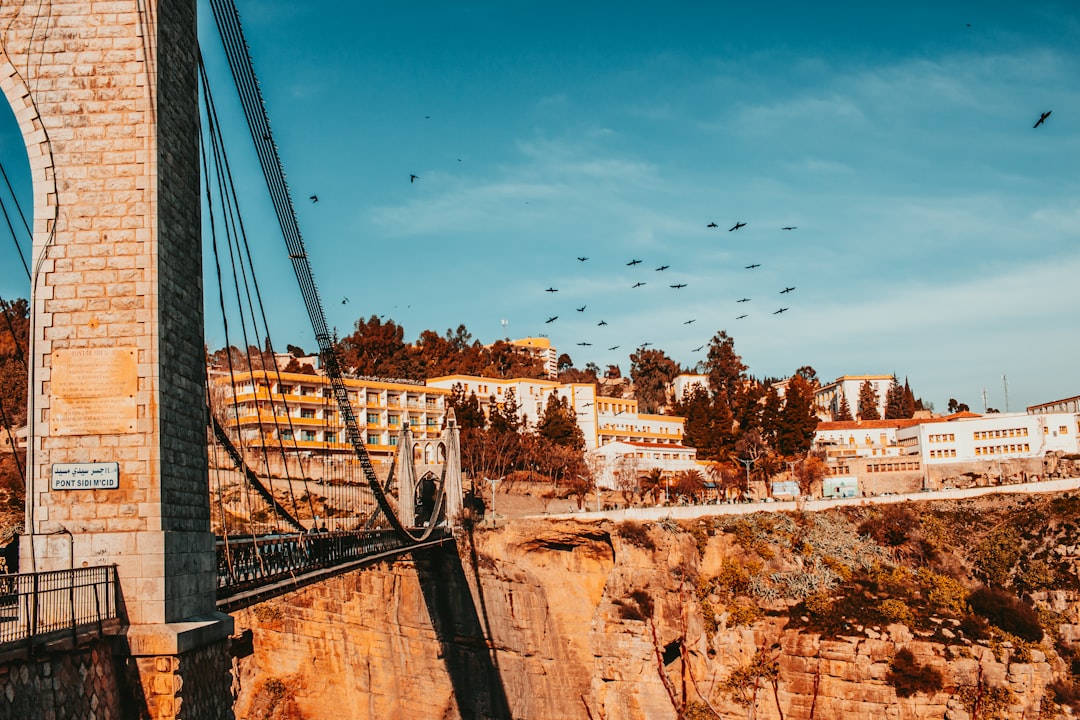
Constantine's architectural style is a captivating blend of Ottoman, Moorish, and French colonial influences. The iconic Sidi M’Cid Bridge, completed in 1912, is an engineering marvel, stretching 175 meters across the gorge and offering stunning views of the river below.
Another architectural gem is the Palais de Ahmed Bey, a stunning example of Ottoman architecture adorned with intricate tile work and lush gardens. The University of Constantine, designed by renowned architect Oscar Niemeyer, stands out with its modernist lines, juxtaposing the traditional styles that dominate the cityscape.
Artistic expression in Constantine is also visible through its vibrant street art and murals, which reflect the city's cultural identity and history. The Museum of Cirta showcases artifacts that tell the story of the city's evolution, from ancient times to the present.
### Local Culture and Traditions
The local culture in Constantine is a tapestry woven from various influences, with a strong emphasis on hospitality. Traditional customs are still prevalent, and visitors can often witness local artisans at work, creating intricate jewelry and crafts inspired by the city’s rich heritage.
One of the most vibrant expressions of culture is the Mouloud festival, celebrating the birth of the Prophet Muhammad. The city comes alive with processions, traditional music, and communal feasts, where locals share stories and laughter.
During Ramadan, the city transforms into a hub of activity, with lively markets brimming with local delicacies and evening gatherings that bring families together to break their fast.
### Gastronomy
Constantine's culinary scene is a delightful journey through flavors. Couscous is a staple, often served with lamb or chicken and accompanied by a rich vegetable stew. Another local favorite is Mhadjeb, a delicious flatbread filled with a mixture of tomatoes, peppers, and spices.
For those with a sweet tooth, the traditional Baklava offers a taste of the region's Ottoman influence, while Makroud, a semolina-based pastry filled with dates or nuts, is a popular treat during festivities. Don't forget to sip on Mint tea, a symbol of hospitality that perfectly complements the rich flavors of the local cuisine.
### Lesser-known Curiosities
While Constantine is celebrated for its dramatic landscapes and historical significance, it also harbors lesser-known treasures. One such curiosity is the Hanging Gardens of Constantine, an intricate series of terraced gardens perched on the cliffs, offering serene spots for relaxation and reflection.
Another intriguing detail is the city’s unique “Bardo” style of architecture, characterized by its narrow, winding streets and intricately decorated doorways, which provide a glimpse into the daily life of its residents. Many visitors miss the Cave of the Seven Sleepers, a nearby site steeped in legend, believed to be the resting place of seven young men who fled religious persecution.
### Practical Visitor Information
The best time to visit Constantine is during the spring (March to May) and autumn (September to November) when the weather is mild and perfect for exploring. Summer can be quite hot, while winter brings occasional snow to the higher elevations.
Travelers should be sure to wear comfortable shoes, as the city's steep and winding streets require a bit of hiking. Local guides can provide valuable insights into the city’s history and culture, making the experience even more enriching.
Don’t miss the chance to stroll across the various bridges, each offering unique perspectives of the stunning gorge below. Be sure to capture the golden hour as the sun sets, casting a magical glow over this remarkable city.
To explore more of what Constantine has to offer, consider using the Secret World app to craft a personalized itinerary that suits your travel style.
