

Nestled high above the rolling hills of Tuscany, Contucci Cellars is not just a winery; it is a living testament to over a millennium of rich wine history. With origins tracing back to 1008 AD, the Contucci family has cultivated their vineyard through an uninterrupted lineage of 40 generations, making it one of the oldest wineries in Italy.
The story of Contucci begins in the heart of Montepulciano, a medieval town characterized by its stunning architecture and steep, winding streets. The family established their winemaking tradition within the very walls of a building that stands 31 meters high, intricately woven into the oldest fortifications of the city. As you make your way to the cellars, the journey may feel daunting with its narrow lanes and steep climbs, yet this very challenge reflects the resilience of a legacy that predates much of the town that has since enveloped it.
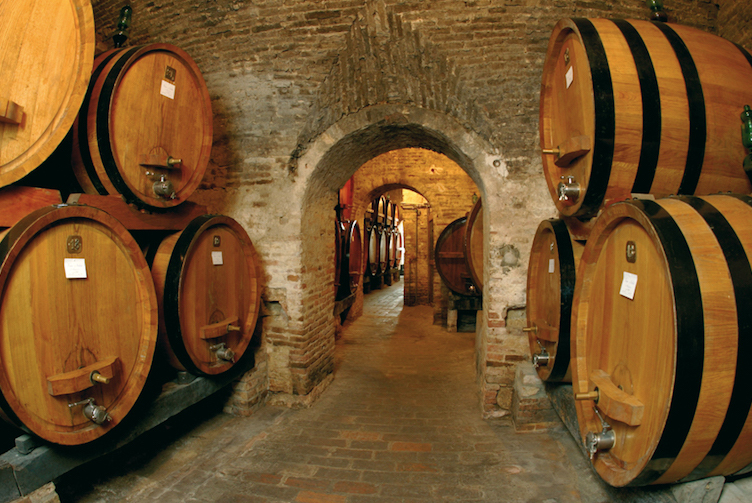
The architectural style of Contucci Cellars is a blend of medieval fortitude and timeless elegance. The ancient vaults, where barrels of Rosso di Montepulciano and Nobile di Montepulciano age gracefully, evoke a sense of history that is palpable. Visitors can explore these historic cellars, which were once part of a guardhouse, and witness the meticulous process of winemaking that remains unchanged. Each barrel tells a story, infused with the labor and passion of generations who have tended to the vines with care.
Montepulciano is steeped in local culture and traditions, where the rhythms of life are marked by the seasons and the harvest. The town celebrates its wine with fervor during the Bravio delle Botti, a unique festival held in August that features a thrilling barrel-rolling competition. This event not only showcases the community’s pride in their winemaking but also fosters a spirit of camaraderie among the locals, as each contrada (district) competes for glory.
In terms of gastronomy, the wines of Contucci are complemented perfectly by the local cuisine. Traditional dishes such as Pici (hand-rolled pasta) served with rich ragù, and Cinghiale (wild boar) stew, highlight the robust flavors of the region. Pairing these dishes with a glass of Nobile di Montepulciano, known for its deep ruby color and notes of cherry and spice, creates an unforgettable dining experience. Don’t miss out on Vinsanto, a sweet dessert wine that is served with Cantucci, almond cookies that are perfect for dipping.
For the curious traveler, there are lesser-known aspects of Contucci that add depth to your visit. One striking detail is the fact that some of the cellars are located in what were once dungeons; these spaces are imbued with an air of mystery and history. Moreover, during the grape harvest, the lower areas of the cellars open to the public, allowing guests to witness the initial stages of fermentation. However, be mindful that once the vinification process begins, the strong carbon dioxide emissions restrict access for safety reasons.
The best time to visit Contucci Cellars is during the late summer and early fall, particularly around September, when grape harvesting occurs. The landscape is breathtaking, with vineyards bursting with plump, ripe grapes, set against a backdrop of golden autumn foliage. Arriving early in the day allows you to enjoy a leisurely tasting experience, where you can savor the wines while taking in the panoramic views of the surrounding countryside.
For those planning a visit, be sure to indulge in the free wine tasting, which includes a sampling of their Rosso di Montepulciano, Nobile di Montepulciano, a refreshing white, and the noteworthy Vinsanto. Engaging with the knowledgeable staff will enrich your experience, providing insights into the winemaking process and the history of the Contucci family.
As you explore the enchanting streets of Montepulciano and immerse yourself in the storied past of Contucci Cellars, allow the charm of this ancient town to captivate your heart. To make the most of your journey, consider using the Secret World app for a personalized itinerary that reveals the hidden gems of this remarkable destination.


