



Nestled in the heart of the Nilgiri Hills, Coonoor is a hill station that captivates with its serene beauty and nostalgic charm. At an altitude of 1,850 meters, this quaint town evokes memories of simpler times, where nature reigns supreme and life slows down to a gentle pace. The cool climate and lush landscapes make it a perfect retreat for those seeking respite from the chaos of urban life.

The history of Coonoor is woven into the tapestry of the British colonial era in India. Established in the early 19th century as a summer retreat for British officials, Coonoor became a prominent location for tea plantations. The town's name is derived from the local word "Koonur," which refers to the "place of the blue mountains." The establishment of the Nilgiri Mountain Railway in 1908 was a pivotal moment, facilitating access to this picturesque hill station and enhancing its allure as a tourist destination. This railway, recognized as a UNESCO World Heritage Site, is one of the few in the world utilizing the rack and pinion system, making the train journey to Coonoor a remarkable experience.
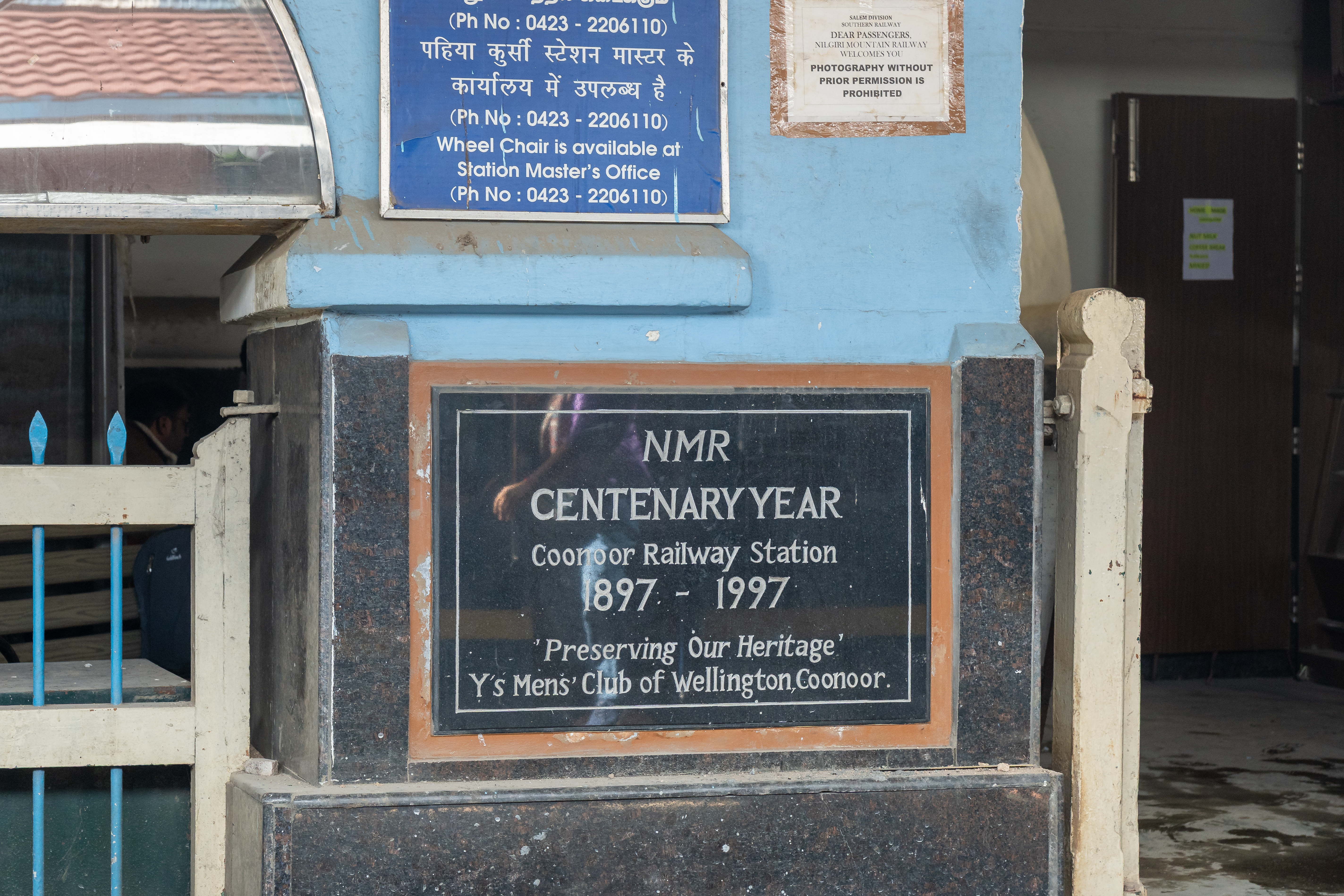
Architecturally, Coonoor reflects a blend of colonial influences and local styles. The St. George's Church, established in 1830, showcases typical Gothic architecture and remains a significant landmark. The Sim's Park, laid out in 1874, is another testament to the town's colonial past, featuring an array of exotic plants and trees, including a 150-year-old tree that attracts botany enthusiasts. The intricate designs of the Coonoor Railway Station, with its vintage charm, evoke a sense of nostalgia, transporting visitors back to a time when train travel was the epitome of adventure.
Coonoor is a melting pot of local culture and traditions. The town celebrates festivals with fervor, particularly the Tea and Tourism Festival held annually in January. This vibrant event showcases the local tea industry, with tastings, cultural performances, and exhibitions that highlight the region's rich heritage. Other local customs, such as the Pongal festival, celebrated in mid-January, reflect the agrarian roots of the community, where families come together to offer thanks for a bountiful harvest.
The gastronomy of Coonoor is equally enticing, with local food reflecting the flavors of the Nilgiris. The region is renowned for its tea, particularly the Nilgiri tea, known for its fragrant aroma and brisk flavor. Visitors can explore local tea estates, where guided tours offer insights into the tea cultivation process. Coonoor's homemade chocolates are a must-try, with quaint shops lining the streets, each offering artisanal treats made from the finest ingredients. Don't miss the opportunity to savor idli, dosa, and sambhar at local eateries, representing the South Indian culinary tradition.
Among the hidden gems of Coonoor are its tranquil walking trails and panoramic viewpoints, often overlooked by tourists. The Dolphin's Nose viewpoint offers breathtaking views of the Nilgiri hills and the vast expanse of the valley below. The Lamb's Rock, another lesser-known spot, provides a serene atmosphere for nature lovers, perfect for picnics or quiet reflection. Additionally, the rich biodiversity in Coonoor's floriculture farms reveals unique species of orchids and rare flowering plants, making it a paradise for botanists and nature enthusiasts.
For those planning a visit, the best time to explore Coonoor is between October and March when the weather is cool and pleasant. Avoid the monsoon season from June to September, as heavy rainfall can hinder travel plans. It’s advisable to pack warm clothing, as temperatures can drop significantly in the evenings. Be sure to carry a camera to capture the stunning landscapes and vibrant flora, and take the time to stroll through the local markets, where you can find handmade crafts and souvenirs that reflect the region's culture.
Coonoor, with its lush tea gardens, colonial architecture, and warm hospitality, offers an enchanting escape into the hills. Whether you're savoring a cup of Nilgiri tea or wandering through the fragrant gardens, this charming hill station invites you to unwind and embrace the beauty of nature.
To make the most of your trip to Coonoor, consider using the Secret World app to craft a personalized itinerary that suits your interests.
