



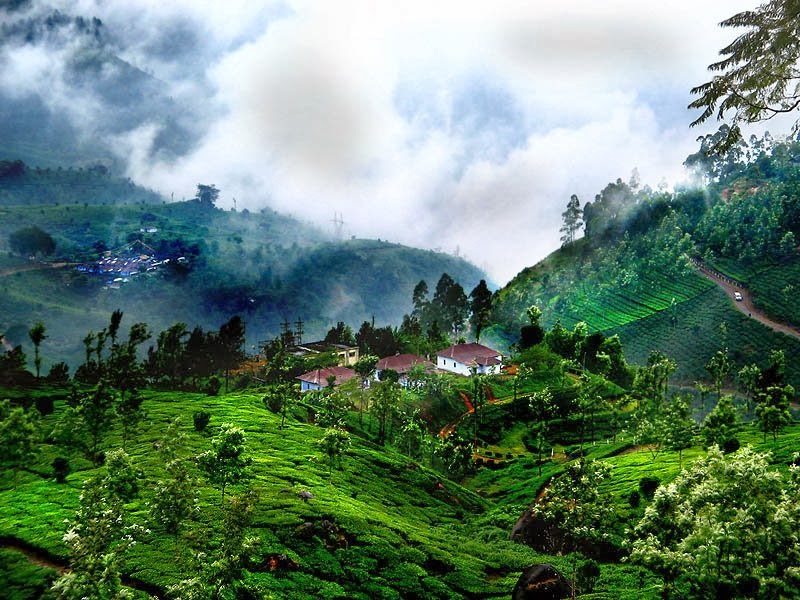
Nestled in the lush folds of the Western Ghats, Coorg, often referred to as the "Scotland of India," invites travelers into its verdant embrace with a landscape that whispers tales of its storied past and vibrant present. With its mist-laden hills, sprawling coffee plantations, and dense forests of teak and sandalwood, Coorg is a living canvas of nature's artistry, where every vista feels like a well-kept secret waiting to be discovered.

The history of Coorg, or Kodagu as it is traditionally known, is steeped in rich cultural heritage. The region's earliest inhabitants, the Kodava people, are believed to have settled here over a millennium ago, with oral traditions suggesting descent from the ancient Greeks. Throughout history, Coorg has been a crossroads of cultures. It was once part of the Pandya and Chola dynasties before falling under the rule of the Haleri kings in the 17th century. The Haleri dynasty, founded by Veerarajendra, built a strong legacy that includes the Madikeri Fort, which stands as a symbol of Coorg's resilience and historical significance. In the 19th century, the British annexation introduced coffee cultivation, forever altering the landscape and economy of the region.
Architecturally, Coorg is a confluence of indigenous and colonial influences. The Madikeri Fort is a testament to this blend, with its Gothic-style Anglican church that now houses a museum showcasing local artifacts. The Namdroling Monastery, also known as the Golden Temple, offers a glimpse into Tibetan Buddhist artistry, with its intricately painted frescoes and massive golden statues of Buddha that mesmerize visitors with their serene beauty.
The cultural tapestry of Coorg is woven with unique customs and vibrant festivals. The Kodava people are known for their martial traditions and distinct attire, with traditional festivals like Kailpodh, which celebrates the community's agricultural roots and warrior spirit, and Puthari, the rice harvest festival that marks the beginning of the new agricultural year. These events are characterized by traditional dances, such as the Kolat, and the playing of the traditional Kodava martial art form Valaga.
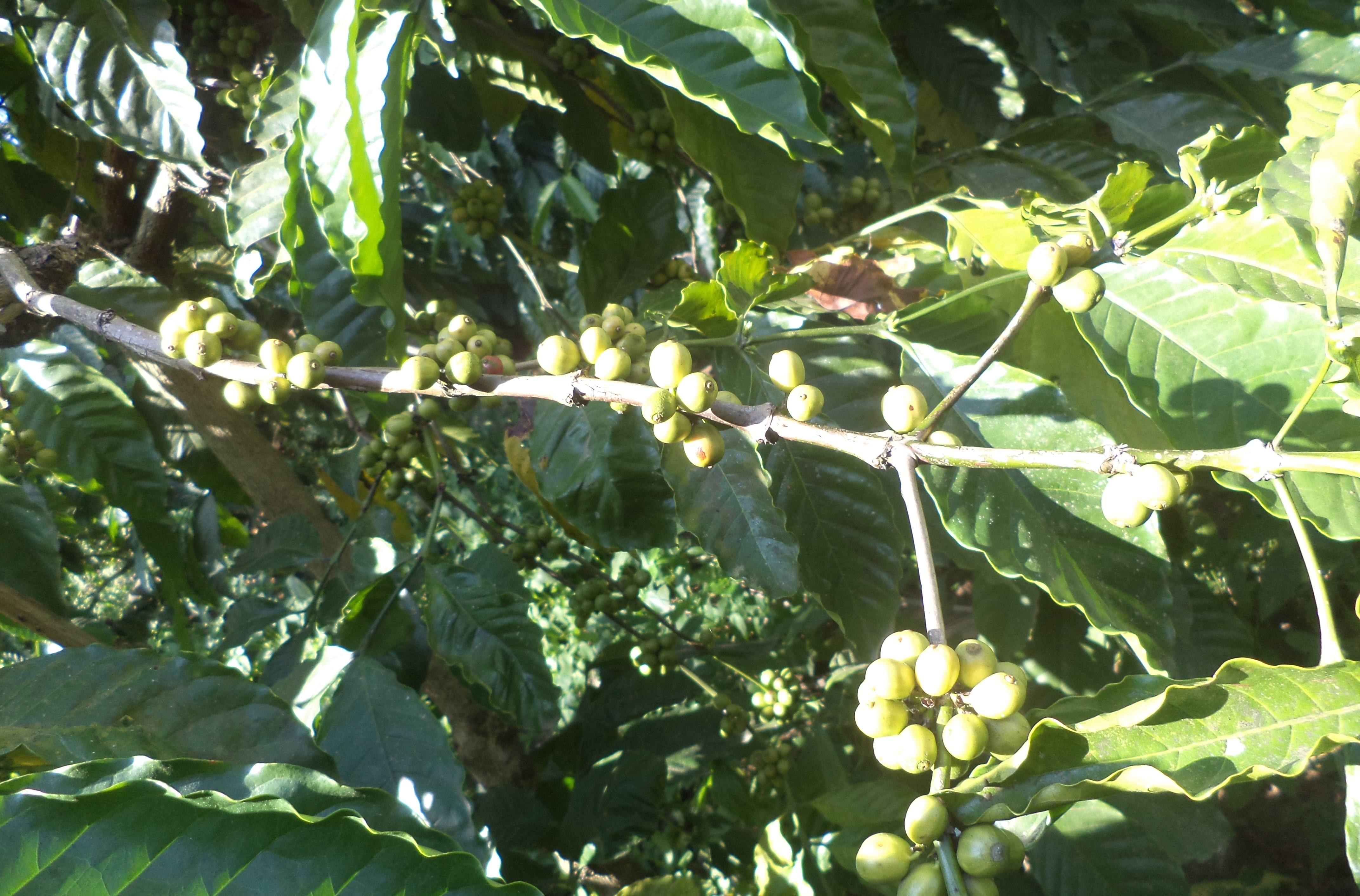
Gastronomy in Coorg is a flavorful journey deeply connected to the land and its history. The cuisine reflects the region's abundance, with dishes like Pandi Curry, a spicy pork curry that pays homage to the Kodava love for meat, and Koli Curry, a chicken dish rich with spices and coconut. Coffee, the lifeblood of Coorg's economy, is a must-try, with estates offering tours that culminate in a tasting session, allowing visitors to savor the nuances of some of India's finest brews.
Beyond the well-trodden paths, Coorg harbors lesser-known curiosities that enrich the traveler's experience. The Nalknad Palace, hidden in the dense forests of Kakkabe, is a lesser-known treasure, boasting exquisite wall murals and a stunning view of the surrounding hills. The mystical Chiklihole Reservoir remains a serene escape, where the interplay of water and forest creates a tranquil setting often overlooked by the casual tourist.
For those planning a visit, the best time to explore Coorg is between October and March, when the weather is cool and the air is crisp, making it ideal for trekking and plantation tours. The monsoon months of June to September, though less favorable for outdoor activities, transform the landscape into a lush, green paradise, appealing to those who love the monsoon's romance. Visitors should look for opportunities to engage with locals, who are often more than willing to share stories that bring the region's rich history and culture to life.
In Coorg, every corner tells a story, every vista paints a picture, and every encounter offers a deeper understanding of its enduring charm. It is a place where the past and present walk hand in hand, where nature and culture blend seamlessly, inviting each traveler to become part of its ever-unfolding narrative.
