
← Back

Coppa Piacentina PDO

29013 Carpaneto Piacentino PC, Italia ★★★★☆ 150 views
Anna Luzhina
Carpaneto Piacentino
🏆 AI Trip Planner 2026

Get the free app

Discover the best of Carpaneto Piacentino with Secret World — the AI trip planner with 1M+ destinations. Get personalized itineraries, hidden gems and local tips. Free on iOS & Android.

🧠 AI Itineraries 🎒 Trip Toolkit 🎮 KnowWhere Game 🎧 Audio Guides 📹 Videos
Scan to download iOS / Android
Scan for AppGallery Huawei users

About Coppa Piacentina PDO

Coppa Piacentina PDO - Carpaneto Piacentino | Secret World Trip Planner

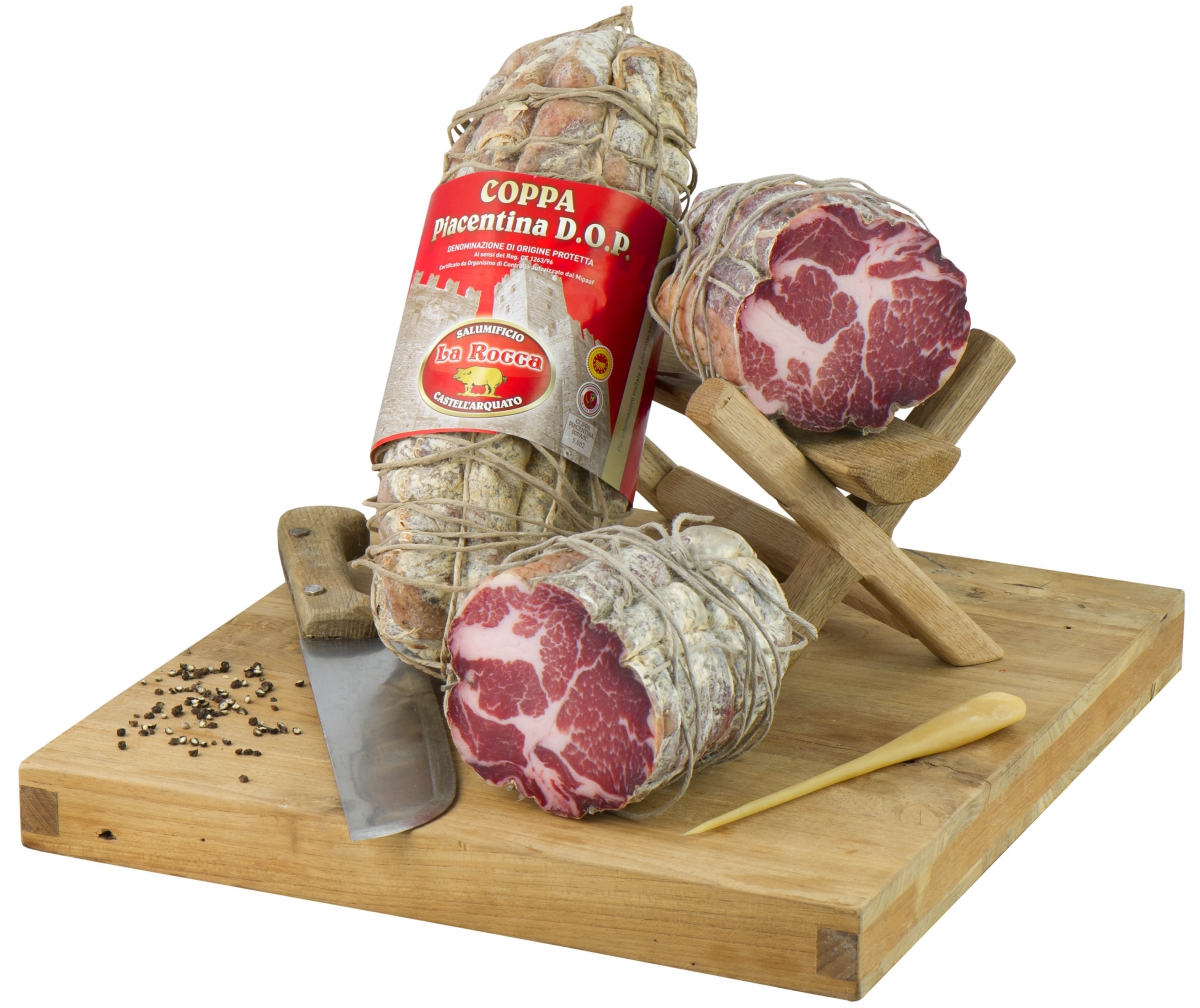
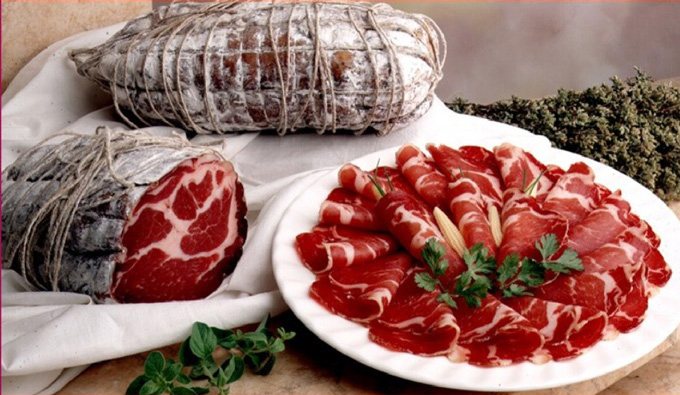
The process, typical of the Arda Valley in the Piacenza area, involves the roughly cylindrical cut of meat between the head joint and the fifth to sixth rib of the pork loin. Curing varies from six months to one year. It can be stuffed into a pork bladder or beef intestine. Its origin is linked to the family tradition handed down in the farmsteads of the plains, where this cured meat was considered as one of the most valuable products, to be consumed on feast days or for particularly important gifts. Long ago in the countryside, coppa even constituted a kind of gratuity: landowners, in fact, offered slices of it to reapers as an incentive to work harder. In 1800 there are written records of Coppa produced in the upper Val Nure and Val Trebbia, in the province of Piacenza, once known by the term "Bondiola," which, according to Napoleonic sources, "is nothing but the scruff of the pig tanned with about 11 grams of salt, 39 of pepper, 13 of powdered cinnamon, 6 of the same drug in cane and 6 of carnation for each weight, then wrapped in a skin of suet, and tightly bound." A further testimony, datable to 1859, and relating to the town of Bobbio, on the high Apennines, recalls how "in this district pork is much tastier than elsewhere, and the salami and the so-called Coppa di Bobbio, which are sent as gifts to distant countries, are very highly prized. This is due, I believe, to the farinaceous, fruit and vegetables in general that serve as food for these animals and that are more flavorful and aromatic there."
Coppa Piacentina PDO - Carpaneto Piacentino | Secret World Trip Planner

Coppa piacentina has been distinguished since 1996 by the PDO - Protected Designation of Origin - which includes the territory of the province of Piacenza with an altitude of less than 900 meters. The most important aging areas are Pianello Val Tidone, Bettola, Carpaneto Piacentino, Gragnano Trebbiense and Lugagnano Val d'Arda.

🗺 AI Trip Planner 2026

Plan your visit to Carpaneto Piacentino

Suggested itinerary near Coppa Piacentina PDO

MAJ+
500.000+ travelers worldwide
  1. 🌅
    Morning
    Coppa Piacentina PDO
    📍 Carpaneto Piacentino
  2. ☀️
    Afternoon
    Village of Grazzano Visconti
    📍 9.1 km · Carpaneto Piacentino
  3. 🌆
    Evening
    The Park of the Grazzano Visconti Castle
    📍 9.2 km · Carpaneto Piacentino

Buy Unique Travel Experiences

Powered by Viator

See more on Viator.com

Explore nearby · Carpaneto Piacentino

Frequently Asked Questions

Coppa Piacentina is a prestigious cured meat from the Arda Valley in Piacenza, made from a cylindrical cut of pork loin between the head joint and fifth to sixth rib. It has been a valued product since the 1800s, traditionally offered on feast days and as gifts, and has held PDO (Protected Designation of Origin) status since 1996.
The curing process takes between six months to one year. According to historical Napoleonic records, the traditional seasoning includes approximately 11 grams of salt, 39 grams of pepper, 13 grams of powdered cinnamon, 6 grams of cinnamon stick, and 6 grams of clove per unit weight, then wrapped in suet skin.
The most important aging areas for Coppa Piacentina PDO are Pianello Val Tidone, Bettola, Carpaneto Piacentino, Gragnano Trebbiense, and Lugagnano Val d'Arda. These locations in the province of Piacenza, all below 900 meters altitude, are renowned for producing this protected designation product.
Coppa has deep roots in Piacenza's farming culture, dating back to at least the 1800s when it was documented in Val Nure and Val Trebbia valleys. Historically, landowners used slices of coppa as an incentive to motivate reapers, and the product was so prized that the town of Bobbio's Coppa di Bobbio was sent as prestigious gifts to distant countries.
An 1859 testimony notes that pork from the Bobbio district in the high Apennines is tastier than elsewhere, producing exceptionally prized salami and Coppa di Bobbio. This superior quality is attributed to the area's more flavorful and aromatic feed for the pigs, including nutritious grains, fruits, and vegetables grown in the region.
