
← Back

Cork Museum

Piazza I Maggio, 1, 42032 Busana RE, Italia ★★★★☆ 251 views
Sara Hoffer
Busana
🏆 AI Trip Planner 2026

Get the free app

Discover the best of Busana with Secret World — the AI trip planner with 1M+ destinations. Get personalized itineraries, hidden gems and local tips. Free on iOS & Android.

🧠 AI Itineraries 🎒 Trip Toolkit 🎮 KnowWhere Game 🎧 Audio Guides 📹 Videos
Scan to download iOS / Android
Scan for AppGallery Huawei users

About Cork Museum

Cork Museum - Busana | Secret World Trip Planner

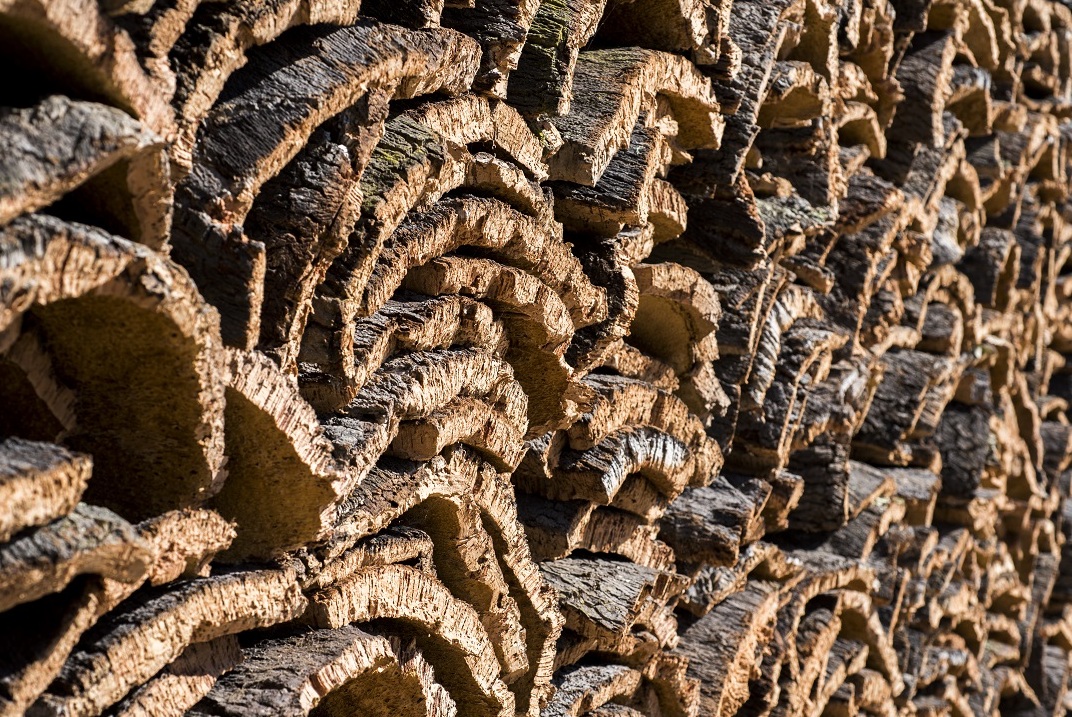
Nestled in the picturesque landscape of Busana, Italy, the Cork Museum offers a window into an ancient craft that has shaped the identity of this region. The museum serves as a testament to the enduring tradition of cork processing, a practice intricately linked to the local culture and the land itself.

### History and Origins

The history of cork processing in Cervarezza, a frazione of Busana, can be traced back to the early 20th century when the region's abundant cork oak forests began to attract attention. This area, rich in natural resources, became a hub for cork production, driven by both local demand and international exports. Key historical events, such as the establishment of the first cork processing companies in the 1920s, laid the foundation for a thriving industry.

Transhumance, the seasonal movement of livestock between fixed summer and winter pastures, played a crucial role in shaping the local economy and culture. As shepherds moved their flocks, they relied on cork for various practical applications, from insulating wine barrels to crafting everyday tools. The museum captures this intertwining of agriculture and craftsmanship, showcasing how these traditions have evolved over time.

### Art and Architecture

The Cork Museum itself is a blend of rustic charm and functional design, reflecting the heritage of the region. The exhibition room, where 18 historical cork processing machines are displayed, is arranged chronologically to illustrate the evolution of the craft. Each machine tells a story, from the rudimentary tools of early artisans to the more sophisticated equipment used today.

Notably, the museum features panels adorned with photographs and documents that chronicle the lives of those who once worked in cork production. The architectural style of the building complements its purpose, designed to evoke a sense of history while maintaining a welcoming atmosphere for visitors. The use of local materials in its construction echoes the surrounding landscape and enhances the cultural significance of the site.

### Local Culture and Traditions

The culture of Cervarezza is deeply rooted in its agricultural practices, and cork processing is a vital part of that heritage. Local customs celebrate the relationship between the land and its people, with festivals dedicated to showcasing traditional crafts and agricultural products. One such event is the Festa della Sagra del Cork, where locals gather to honor their history through music, dance, and, of course, food.

During these festivities, the community comes alive with the sounds of traditional Emilian music and the aroma of local dishes wafting through the air. The celebration often features workshops on cork processing, allowing visitors to engage directly with artisans who share their skills and stories.

### Gastronomy

No visit to Busana is complete without indulging in the local gastronomy, which reflects the agricultural bounty of the region. Typical dishes include tortelli di patate, a delicious potato-filled pasta served with a rich meat sauce, and crescentine, a type of flatbread that is often enjoyed with cured meats and cheeses.

Local wines, particularly those from the nearby hills of Emilia-Romagna, pair perfectly with these traditional dishes, enhancing the culinary experience. Be sure to try the Lambrusco, a sparkling red wine that complements the region's hearty flavors.

### Lesser-Known Curiosities

While the Cork Museum highlights the primary craft of cork processing, there are hidden stories that enrich the visitor experience. For instance, many might not know that cork is not only used for wine stoppers but also plays a role in sustainable construction and design. Its lightweight and insulating properties make it an eco-friendly choice for modern architects.

Another intriguing aspect is the connection between the museum and the local shepherds. The elderly women featured in the museum's informative video share not only their memories of cork processing but also the stories of the land and its transformation over the decades. Their narratives provide a personal touch that resonates with visitors, reminding everyone of the human element behind this ancient craft.

### Practical Visitor Information

The best time to visit the Cork Museum is during the summer months, from June to September, when the climate is warm and the surrounding countryside is in full bloom. The museum is open year-round, but visiting during a local festival can enhance your experience, allowing you to witness the vibrant culture of the area firsthand.

When planning your visit, consider taking guided tours that are often available, providing deeper insights into the exhibits and the significance of cork processing. Don’t forget to explore the nearby cork forests, where you can see the trees in their natural habitat and appreciate the beauty of the landscape.

As you embark on your journey to explore the rich heritage of Busana and the Cork Museum, allow yourself to be enchanted by this unique blend of history, culture, and craftsmanship. For a personalized itinerary to discover more hidden gems in Busana, consider using the Secret World app.

🗺 AI Trip Planner

Plan your visit to Busana

Suggested itinerary near Cork Museum

MAJ+
500.000+ travelers worldwide
  1. 🌅
    Morning
    Cork Museum
    📍 Busana
  2. ☀️
    Afternoon
    The Bismantova Stone, a fascination that kidnaps everyone
    📍 7.5 km · Busana
  3. 🌆
    Evening
    The Stone of Bismantova
    📍 7.6 km · Busana

Buy Unique Travel Experiences

Powered by Viator

See more on Viator.com

Explore nearby · Busana

Frequently Asked Questions

The Cork Museum in Busana, Italy, showcases the ancient craft of cork processing that has shaped the region's identity and culture. The museum features 18 historical cork processing machines arranged chronologically, along with photographs and documents that tell the stories of workers who contributed to this centuries-old tradition.
Cork processing in Cervarezza, a frazione of Busana, began in the early 20th century when the region's abundant cork oak forests attracted commercial interest. The first cork processing companies were established in the 1920s, driven by both local demand and international exports, making the area a hub for cork production.
The museum illustrates how transhumance—the seasonal movement of livestock between pastures—shaped the local economy and connected shepherding to cork production. It displays how cork was used for practical applications like insulating wine barrels and crafting everyday tools, capturing the intertwining of agriculture and traditional craftsmanship in the region.
Visitors can view 18 historical cork processing machines displayed chronologically to show the evolution of the craft, from rudimentary early tools to more sophisticated modern equipment. The exhibition room also features panels with historical photographs and documents chronicling the lives of cork workers and the development of the industry.
The Cork Museum blends rustic charm with functional design, using local materials in its construction to evoke the region's historical heritage. The architectural style is thoughtfully designed to maintain a welcoming atmosphere for visitors while authentically representing the cultural and practical traditions of cork processing in Busana.
