
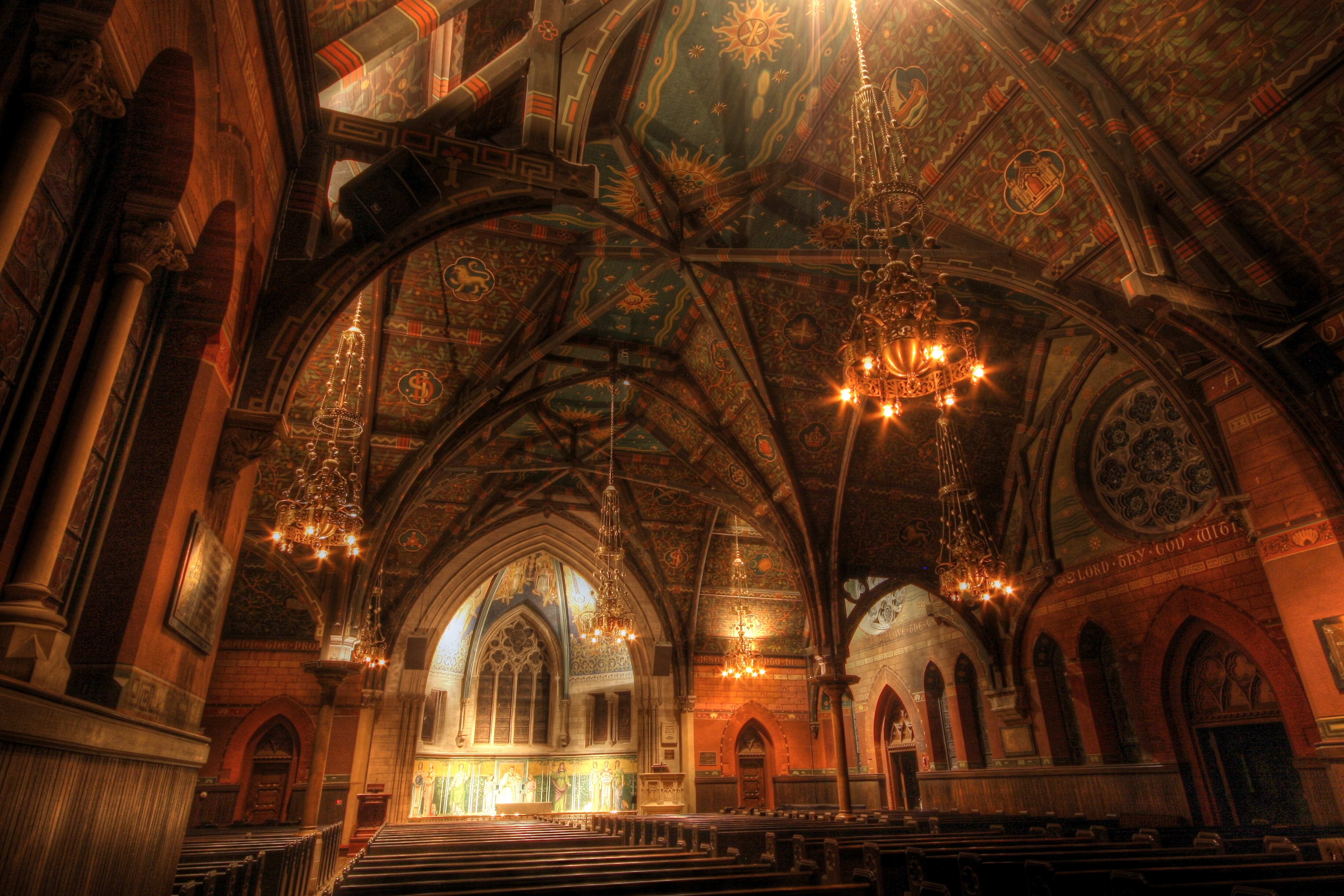

Nestled in the heart of Ithaca, New York, Cornell University’s Sage Chapel stands as a stunning testament to both architectural beauty and intellectual reverence. As I approached this remarkable structure, I was immediately struck by its majestic presence, an inviting blend of spirituality and education that has welcomed students and visitors alike since its completion in 1875.
History and Origins
The origins of Sage Chapel can be traced back to the vision of Henry Sage, a prominent trustee of Cornell University, who believed in the importance of a non-denominational space for spiritual reflection and intellectual discourse. Designed by Charles Babcock, a professor of architecture at the university, the chapel was dedicated in 1875 and has since served as a venue for both religious services and significant university events.
One of its defining historical moments occurred in 1925 when it hosted the memorial service for Andrew Dickson White, the university's co-founder and first president. This moment underscored the chapel’s role as a sacred space for remembrance and reflection within the Cornell community.
Art and Architecture
The architectural style of Sage Chapel is primarily Romanesque, characterized by its robust stonework and intricate detailing. When entering, visitors are greeted by a soaring ceiling adorned with ornate mosaics that reflect biblical themes and academic pursuits. The centerpiece of the chapel is undoubtedly the figure of Philosophia, a striking representation of philosophy, elegantly flanked by allegorical figures of mathematics, chemistry, theater, literature, and music. These figures symbolize the university's dedication to the pursuit of knowledge across various disciplines.
Equally captivating are the stained glass windows that illuminate the interior with vibrant colors, casting a kaleidoscope of light that enhances the chapel's serene atmosphere. Each window tells a story, often depicting scenes of learning and enlightenment, which further deepens the connection between faith and education.
Local Culture and Traditions
Sage Chapel is not just a place of worship; it is a cultural landmark that embodies the spirit of Ithaca and Cornell University. The chapel hosts various events throughout the year, including the annual Sage Chapel Concert Series, which features performances by talented musicians and provides a platform for artistic expression. Additionally, it serves as a venue for commencement ceremonies, where students celebrate their academic achievements surrounded by the beauty of this historic site.
Local customs often intertwine with the university's traditions. For instance, the Ithaca Festival, held annually in late spring, celebrates the arts and community spirit, often drawing inspiration from the very academic and artistic ethos that Sage Chapel represents.
Gastronomy
No visit to Ithaca would be complete without indulging in its unique culinary offerings. The region is renowned for its farm-to-table movement, and local eateries often emphasize the use of fresh, locally sourced ingredients. While exploring the area, be sure to try mugwort beer from local breweries, a traditional beverage that has historical roots in the region.
Additionally, Cornell Dining features a variety of options that reflect the university's commitment to sustainability and local sourcing. For a sweet treat, don’t miss the chance to sample Ithaca's famous ice cream, made from local dairy, which has become a beloved staple among students and residents alike.
Lesser-known Curiosities
Sage Chapel is home to several lesser-known treasures that often escape the notice of casual visitors. One such detail is the organ, which dates back to the chapel's opening. It has been meticulously restored and is a focal point during musical performances.
Another intriguing aspect is the chapel's role in the university's history as a gathering place for protests and discussions on social issues. It has been a venue for student movements advocating for change, reflecting the evolving social landscape of both the university and the wider community.
Practical Visitor Information
The best time to visit Sage Chapel is during the academic year when the campus is alive with student activity and events. However, the chapel is open year-round, allowing for quiet reflection even during the summer months. To fully appreciate its artistic and historical significance, consider taking a guided tour of the university, which often includes insights into Sage Chapel's architecture and its role within the Cornell community.
As you explore, keep an eye out for the intricate details in the mosaics and the stories behind the stained glass. These elements offer a deeper understanding of the chapel's purpose as a bridge between faith, education, and community.
In planning your visit to Ithaca, consider using the Secret World app to create a personalized itinerary that will help you uncover the unique charms of this vibrant city.


