
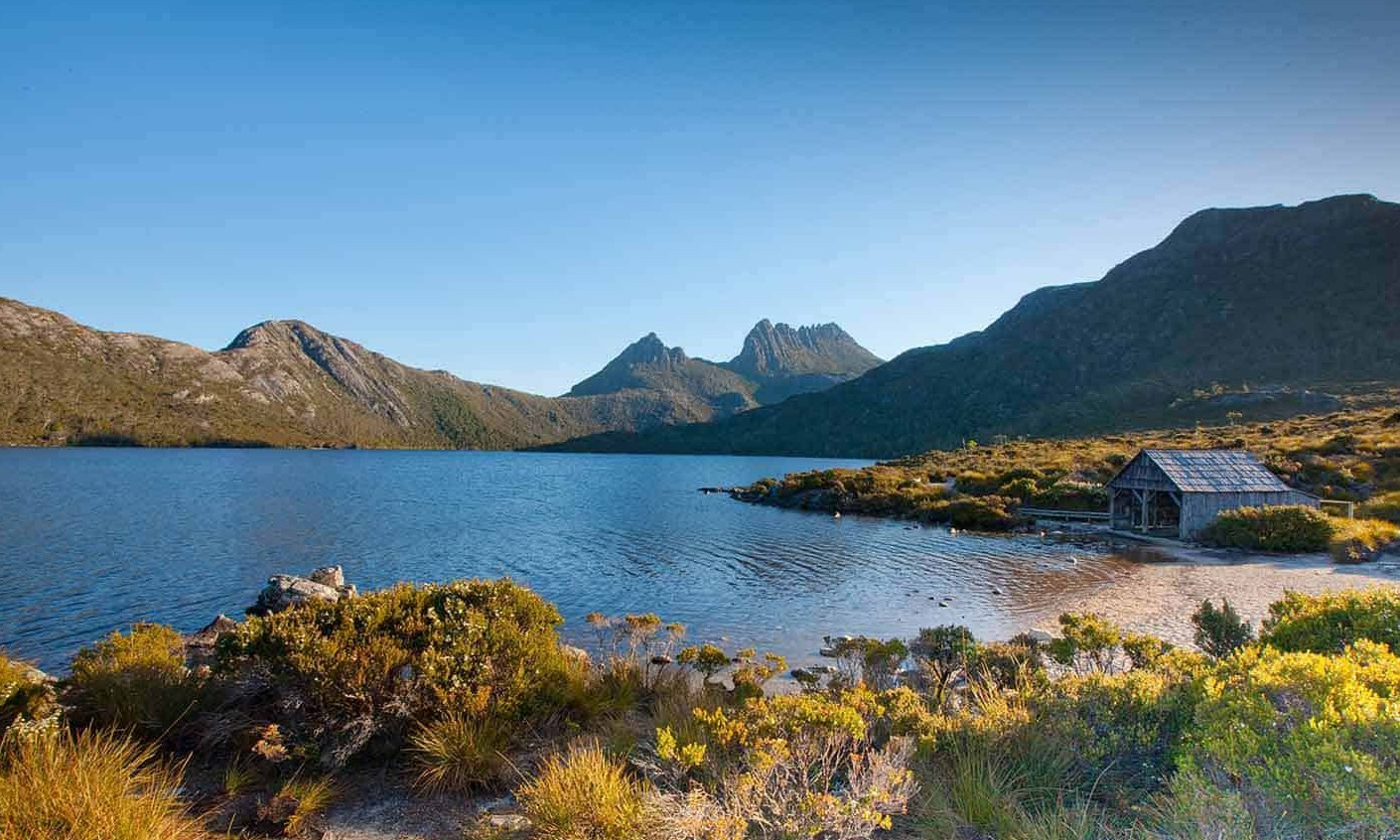

Nestled in the heart of Tasmania's untamed wilderness, Cradle Mountain stands as a gateway to one of the world's most enthralling trekking experiences: the Overland Track. This iconic trail, winding through the rugged beauty of the Cradle Mountain-Lake St. Clair National Park, offers a glimpse into a landscape shaped by millions of years. Here, nature's artistry is on full display, drawing adventurers and nature enthusiasts alike to its pristine paths.
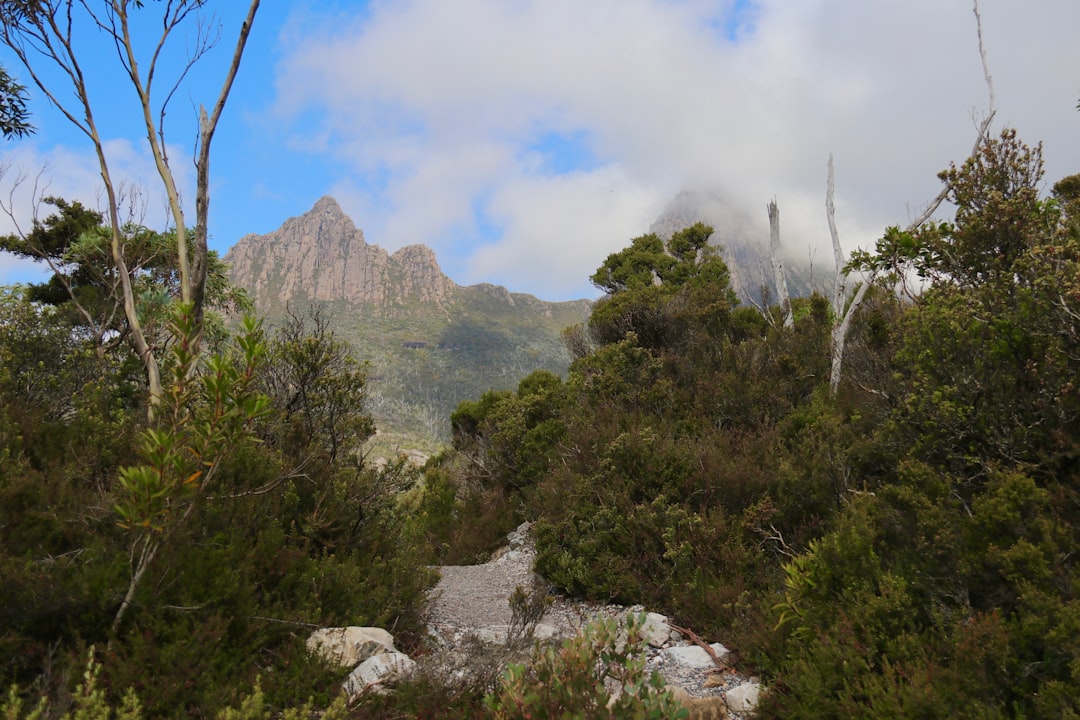
The history of Cradle Mountain is deeply intertwined with the ancient lands of the Palawa people, the original custodians of Tasmania. For thousands of years, these indigenous communities have revered the area, its landscapes holding cultural and spiritual significance. European exploration began in the early 19th century, with surveyor Joseph Fossey documenting the region in the 1820s. The mountain's name was later coined by Joseph Dalton Hooker, inspired by its cradle-shaped summit. In 1922, Gustav Weindorfer, an Austrian botanist and passionate conservationist, was instrumental in advocating for the area's preservation, leading to the establishment of the national park by 1927.
The natural beauty of Cradle Mountain is complemented by its unique art and architecture. The visitor center, designed with sustainable architecture in mind, blends seamlessly into the landscape, using locally-sourced materials to reflect the region's natural palette. While the area is not known for grand man-made structures, the mountain itself is a masterpiece of nature's architecture, its jagged peaks and glacial lakes forming a breathtaking tableau.

Local culture in the Cradle Mountain region is deeply rooted in a love for the natural world. Each year, the area hosts the Cradle Mountain Film Festival, celebrating films that capture the essence of adventure, landscape, and wilderness. The festival is an opportunity for locals and visitors to immerse themselves in stories that echo the spirit of the land. Additionally, the nearby town of Sheffield, known as the "Town of Murals," offers a delightful artistic diversion with its vibrant outdoor murals depicting the area's history and natural beauty.
No visit to Cradle Mountain is complete without indulging in the region's gastronomy. The cool climate and fertile soils of Tasmania produce an array of culinary delights. Visitors can savor local delicacies such as Tasmanian cheeses, wild honey, and the famed Tasmanian salmon. The nearby Cradle Mountain Hotel offers a menu that highlights these local flavors, providing a perfect end to a day of exploration. Pair your meal with a glass of Tasmanian wine or a pint of locally brewed beer to fully appreciate the island's bounty.
Beyond the well-trodden paths, Cradle Mountain harbors lesser-known curiosities that intrigue the discerning visitor. The Dove Lake Circuit, often overshadowed by the Overland Track, offers a shorter yet equally captivating walk. Here, the ancient pencil pines, some over a thousand years old, stand as silent witnesses to the passage of time. Wildlife enthusiasts might also spot the elusive platypus in the park's crystal-clear streams—a rare sight that adds to the area's allure.
For those planning a visit, timing is everything. The best time to explore Cradle Mountain is during the austral summer, from December to March, when the weather is mild and the days are long. However, spring and autumn offer their own charms, with fewer crowds and the landscape either bursting with wildflowers or cloaked in autumnal hues. Winter, while often challenging due to snow and ice, reveals a serene, frosted wonderland for those prepared to brave the cold.
Practical tips for visitors include dressing in layers to accommodate the rapidly changing weather and always carrying a raincoat, as showers are frequent. The park operates a shuttle service from the visitor center to key trailheads, reducing the impact of vehicles on the environment. While ascending the trails, keep an eye out for the resident wildlife; wombats, possums, and wallabies are common companions on the journey.
Cradle Mountain is more than just the starting point of the Overland Track; it is a testament to the majesty of Tasmania's wilderness. This is a place where the past and present converge, where nature and culture blend seamlessly, offering an experience that is as enriching as it is unforgettable.


