
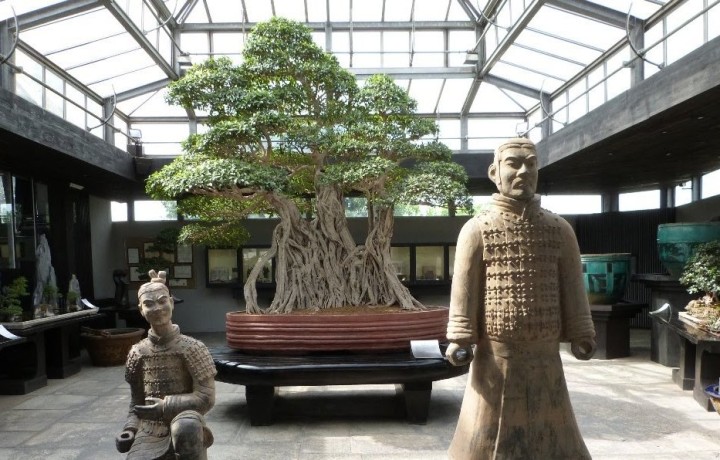

Nestled in the heart of San Lorenzo di Parabiago, the Crespi Bonsai Museum is an enchanting tribute to the art of bonsai, blending Eastern aesthetics with Western sensibilities. Established on May 26, 1991, this museum is a pioneering institution, recognized as the first permanent bonsai museum in the world. The collection, curated by Luigi Crespi, showcases a stunning array of centuries-old trees, intricately designed pots, and rare antique books that delve into the philosophy and techniques behind this delicate art form.
The museum’s history is as rich as the foliage it houses. Luigi Crespi, a passionate bonsai artist, dedicated over thirty years to nurturing his craft and promoting Japanese horticulture in Italy. His vision was to create a space where the intricate beauty of bonsai could be appreciated by all, transcending cultural boundaries. The museum quickly became a focal point for bonsai enthusiasts, attracting visitors from around the globe who are eager to learn and admire.
Architecturally, the Crespi Bonsai Museum harmoniously blends traditional Japanese design principles with modern functionality. The museum’s layout invites visitors to wander through serene gardens, each path leading to carefully curated exhibits. The architectural style reflects a minimalist approach, emphasizing natural materials and open spaces, allowing the bonsai trees to take center stage. Visitors are often captivated by the serene ambiance and the contemplative atmosphere, reminiscent of a traditional Japanese garden.
The artistic significance of the bonsai collection cannot be overstated. Each tree is not just a plant; it is a living work of art that tells a story of its environment and care. Many of the trees are meticulously shaped and trained over decades, embodying the philosophy of patience and respect for nature inherent in Japanese culture. The museum also features rare pots, some dating back to the Edo period, showcasing the intricate craftsmanship that accompanies bonsai cultivation.
Visiting the museum also offers a glimpse into the local culture and traditions of San Lorenzo di Parabiago. The surrounding area is steeped in Italian heritage, where traditions blend seamlessly with modern life. Visitors may encounter local festivals celebrating the arrival of spring, during which bonsai workshops and exhibitions are often organized, allowing the community to engage with this art form. Traditional Italian values of family and community resonate here, making the museum not just a place of learning but a vibrant part of local life.
Gastronomy is another delightful aspect of visiting the Crespi Bonsai Museum. While the museum itself does not have a café, nearby you can find local eateries offering traditional Italian cuisine. Make sure to try risotto alla Milanese, a creamy saffron-infused rice dish, or indulge in panettone, a sweet bread loaf originally from Milan, perfect for dessert. Pair your meal with a glass of Nebbiolo, a red wine from the region, to complete your culinary experience.
Among the lesser-known curiosities of the Crespi Bonsai Museum is its role as a hub for educational workshops and cultural exchanges. The museum frequently hosts events that invite bonsai masters from Japan, allowing visitors to engage with the art in a more hands-on manner. Additionally, the museum’s library contains a rare collection of texts on bonsai, some of which are difficult to find elsewhere. This makes it a treasure trove not just for casual visitors but also for scholars and practitioners alike.
For those planning to visit, the best time to experience the Crespi Bonsai Museum is during the spring and early fall. The weather is mild, and the gardens are in their full glory, showcasing the vibrant colors of the bonsai trees. Tips for visitors include taking a guided tour to fully appreciate the intricate details of the collection and remembering to check the museum's calendar for special events or exhibitions.
In conclusion, the Crespi Bonsai Museum is more than just a collection of bonsai; it is a cultural bridge that connects Italy and Japan through art and nature. It invites visitors to slow down, reflect, and appreciate the beauty of a world where patience and artistry flourish. For a unique experience in San Lorenzo di Parabiago, consider using the Secret World app to craft your personalized itinerary and discover hidden gems in the area.


