



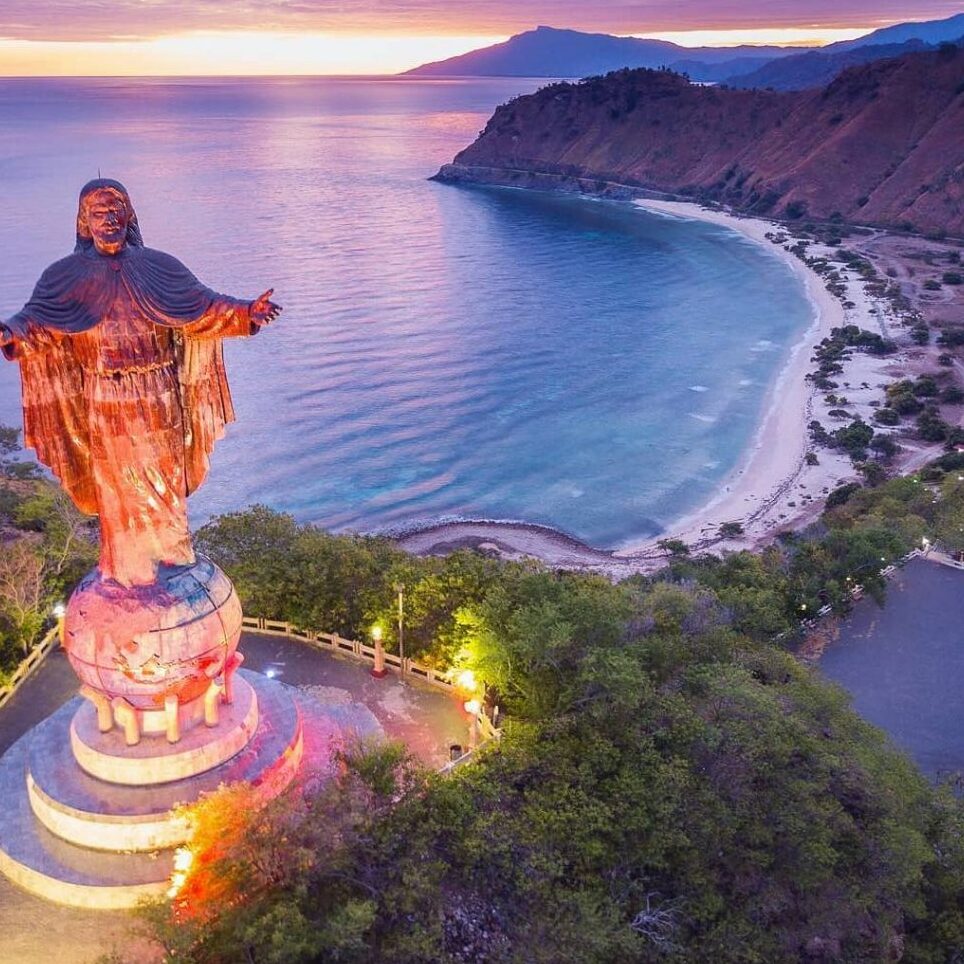
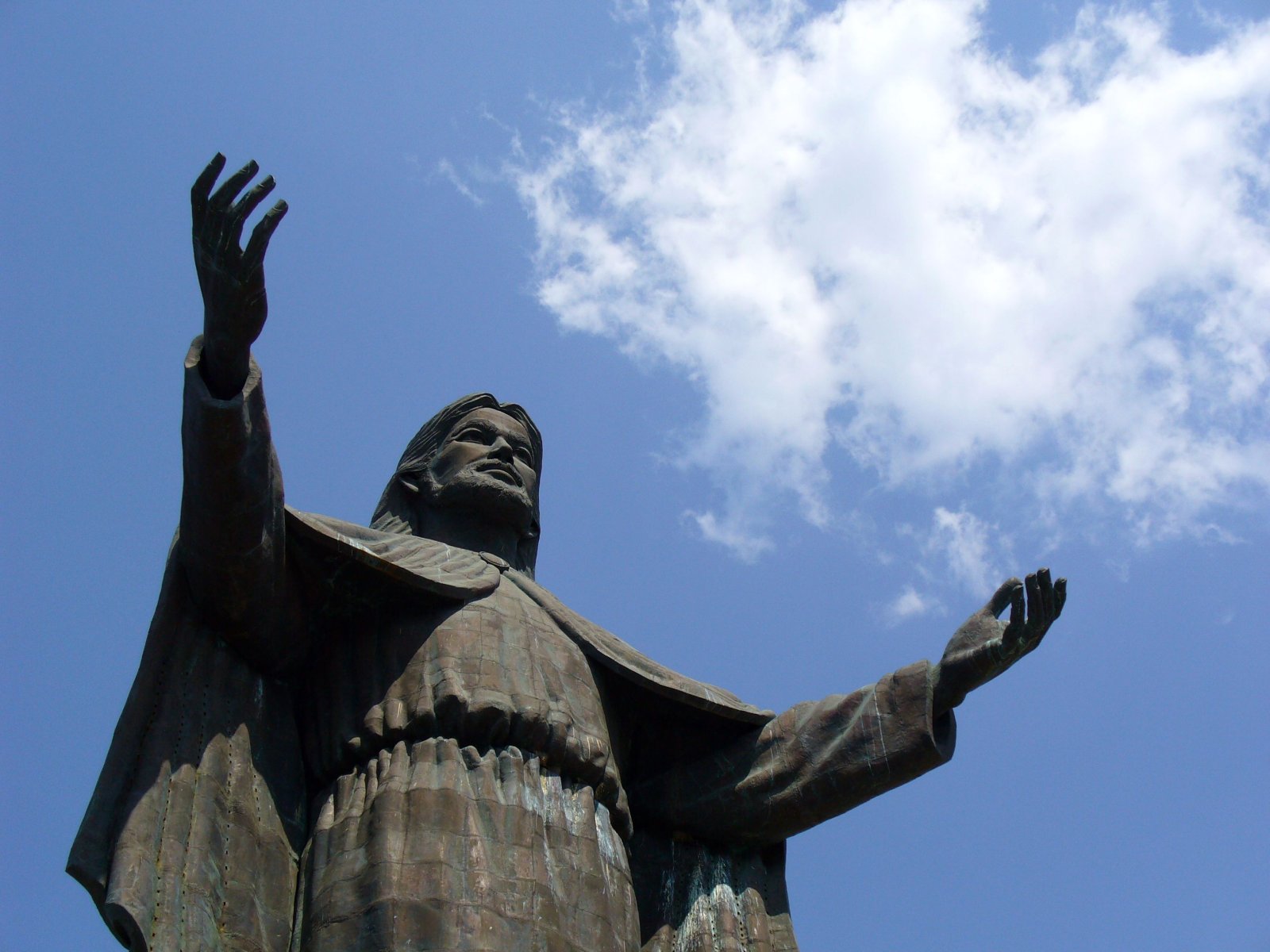
Standing majestically above the city of Dili, Cristo Rei—the Christ the King statue—is more than just a religious monument; it is a powerful symbol of faith, resilience, and cultural identity for the people of East Timor. Located about 7 kilometers east of the capital, this 27-meter-high statue, which was gifted by the Indonesian government in 1996, draws both locals and visitors looking for a blend of spiritual reflection and stunning vistas.
The history of Cristo Rei is deeply intertwined with the narrative of East Timor itself. The island's journey toward independence is marked by periods of strife and triumph, with the statue emerging as a beacon of hope. The statue was inaugurated on the 20th anniversary of Indonesia’s occupation of East Timor, symbolizing peace and the aspirations of a nation reclaiming its sovereignty. For many Timorese, it embodies a spiritual connection that transcends politics, reflecting the strength of their faith in the face of adversity.
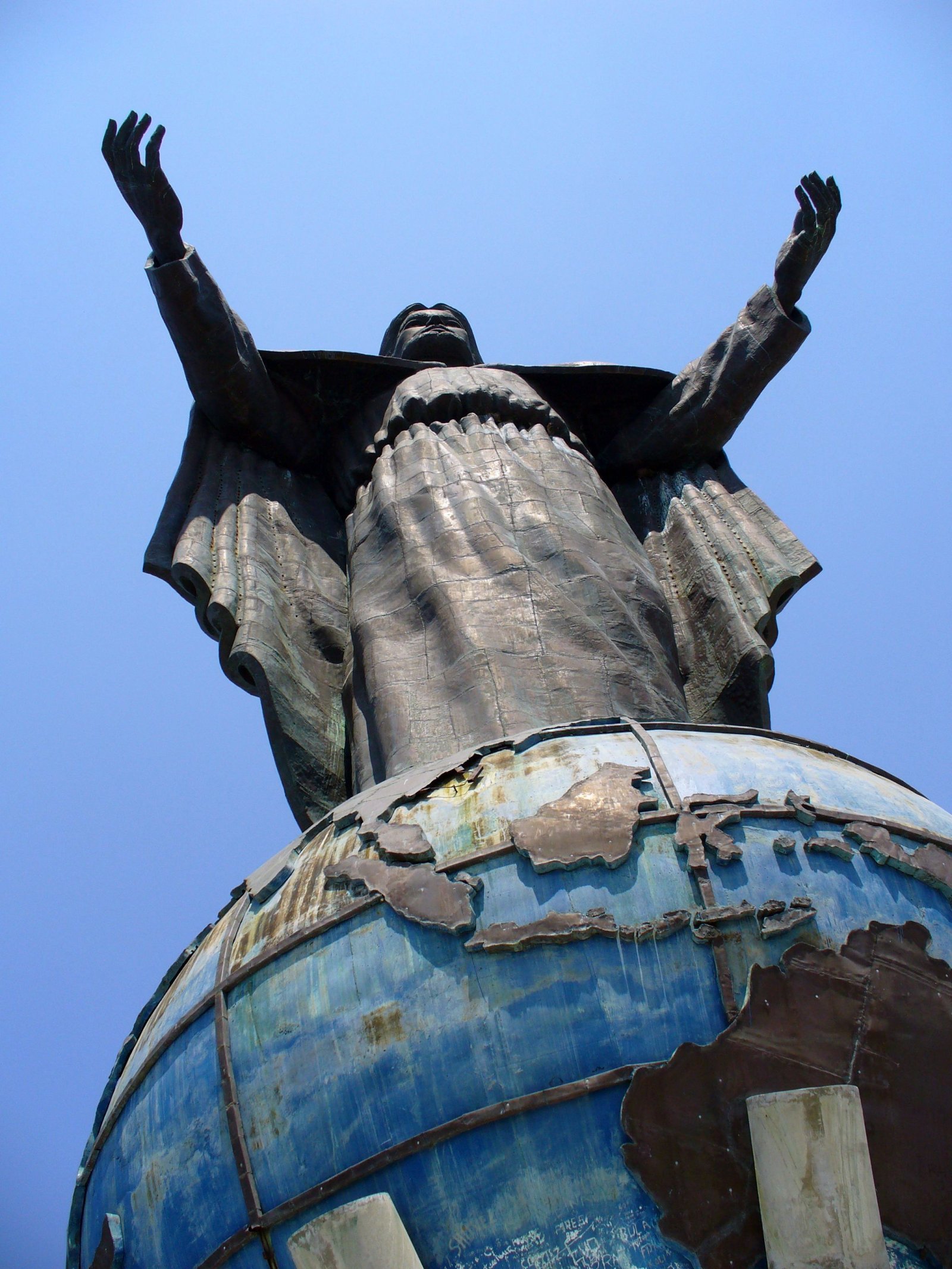
Artistically, Cristo Rei showcases a modernist architectural style. Designed by Mochamad Syailillah, known as Bolil, the statue is set atop a globe, representing Christ's dominion over the world. The imposing figure invites visitors to ascend the 570 steps that lead to its base, offering not just an exercise challenge, but a journey of spiritual and physical elevation. Along the climb, one can enjoy breathtaking views of the Timor Sea and the rugged Dili coastline, making the ascent as rewarding as the destination.
Culturally, Cristo Rei is a central part of local customs. The Timorese celebrate various religious festivals throughout the year, with significant events often taking place at this location. The Feast of the Sacred Heart of Jesus, celebrated in June, sees thousands of devotees making the pilgrimage to the statue, underscoring its role as a spiritual focal point. Moreover, local traditions often blend Indigenous practices with Catholic rituals, creating a rich tapestry of faith that is tangible in the atmosphere around Cristo Rei.
A visit to Dili wouldn’t be complete without indulging in its gastronomic offerings. The local cuisine is a delightful reflection of the diverse influences that have shaped East Timor’s culture. Don’t miss sampling Batar Da’an, a hearty sweet potato and corn stew, or Ikan Pepes, spiced fish wrapped in banana leaves. Pair your meals with Bikeren, a refreshing drink made from local fruits, or Bintang, a popular Indonesian beer. Eating at a local warung (small eatery) near Cristo Rei will not only satisfy your taste buds but also provide a glimpse into the daily lives of Timorese residents.
For those seeking unique experiences, Cristo Rei offers lesser-known curiosities that enrich your visit. One such hidden detail is the story of a local artist who, inspired by the statue, created a series of paintings representing the various emotions evoked by its presence. Additionally, the base of the statue houses a small chapel, often overlooked by visitors, where one can find peace and solitude amidst the bustling tourist activity.
The best time to visit Cristo Rei is during the dry season, from May to October, when the weather is pleasant and ideal for hiking. Early mornings or late afternoons provide not only cooler temperatures but also spectacular sunrises and sunsets, casting an ethereal glow over the statue and the surrounding landscape. To make the most of your visit, consider bringing a water bottle and a camera to capture the stunning views, and wear comfortable shoes for the climb.
In conclusion, Cristo Rei is not merely an iconic landmark; it is a testament to the enduring spirit of the East Timorese people. Whether you come for the breathtaking views, the cultural insights, or the spiritual reflections, this monumental statue offers a profound connection to the heart of Dili. For a personalized itinerary that helps you uncover the magic of this remarkable place, consider using an app like Secret World to craft your perfect visit.
