
🎄 Win a month in Italy for two — €10,000 · The Secret Italy Prize GO →
← Back

Dancing Satyr

Dancing Satyr — Mazara del Vallo, Italia.

Piazza Plebiscito, 91026 Mazara del Vallo TP, Italia ★★★★☆ 206 views
Serena Zevola
Mazara del Vallo
🏆 AI Trip Planner 2026

Get the free app

Discover the best of Mazara del Vallo with Secret World — the AI trip planner with 1M+ destinations. Get personalized itineraries, hidden gems and local tips. Free on iOS & Android.

🧠 AI Itineraries 🎒 Trip Toolkit 🎮 KnowWhere Game 🎧 Audio Guides 📹 Videos
Scan to download iOS / Android
Scan for AppGallery Huawei users

About Dancing Satyr

Dancing Satyr - Mazara del Vallo | Secret World Trip Planner

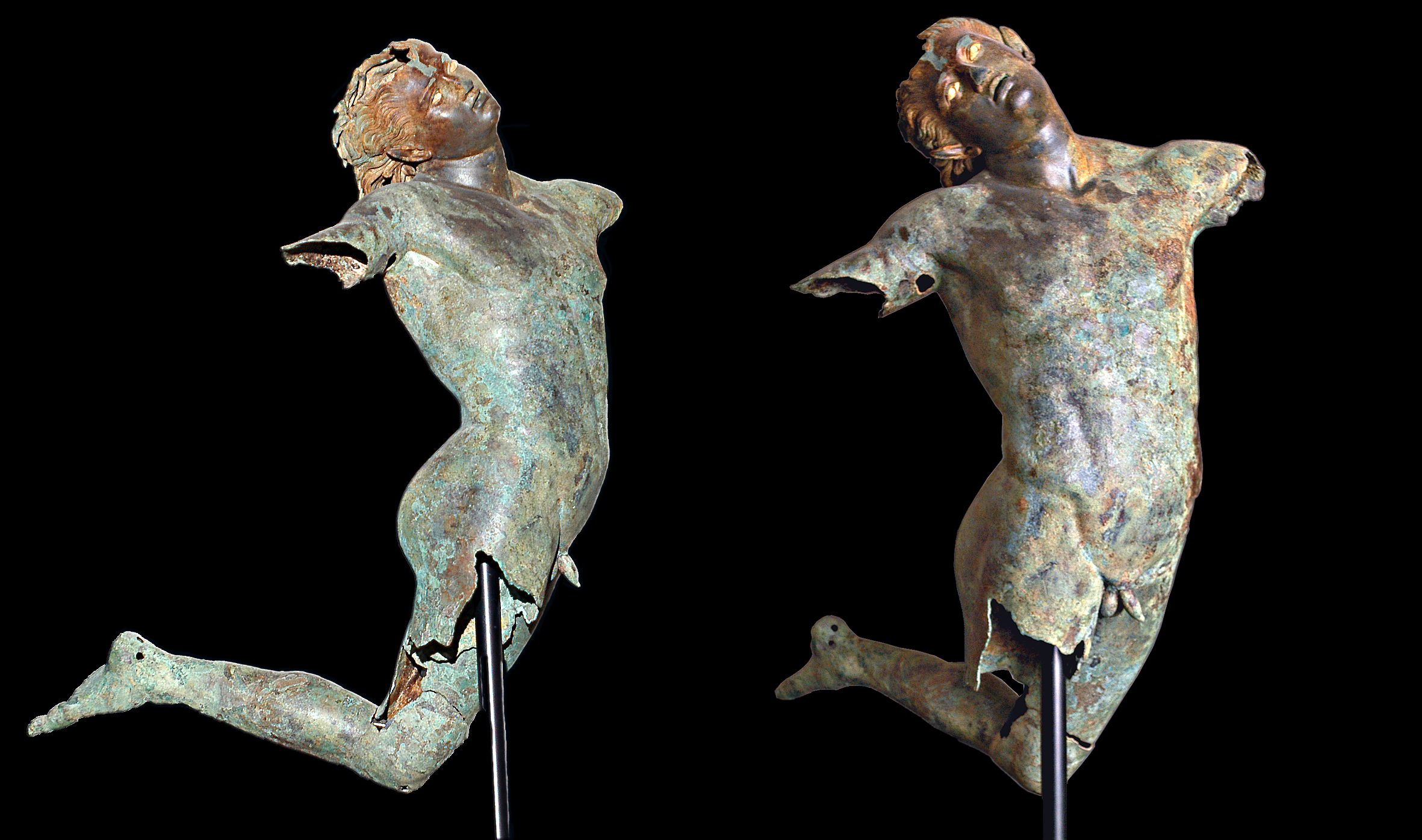
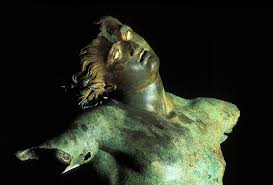
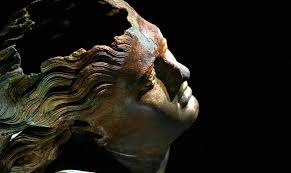
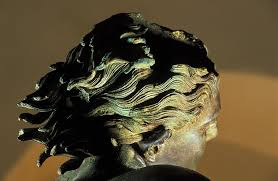
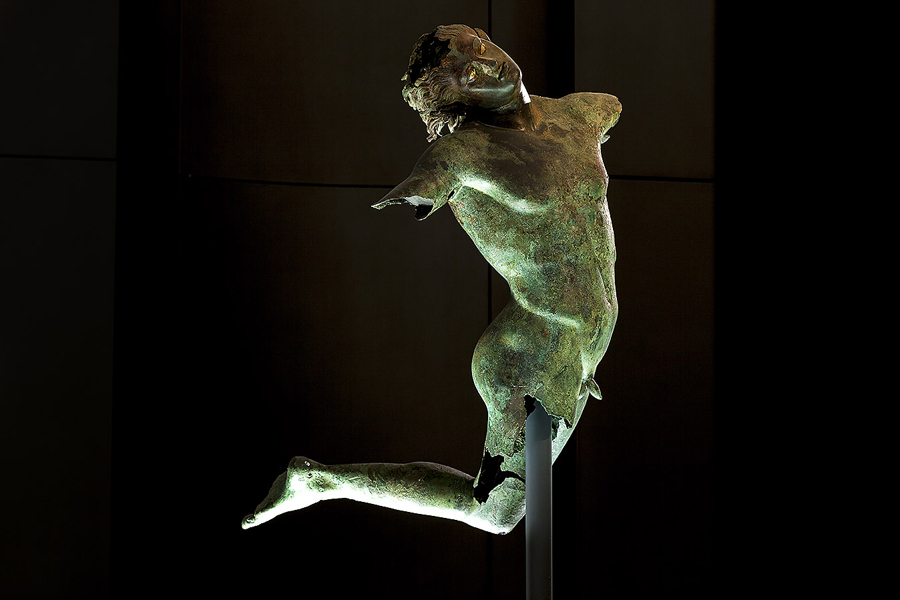
The precious bronze statue, dating from the late fourth century BC and attributable to the school of the great artist, Praxiteles, is exhibited in the Museum of Sant'Egidio in Mazara del Vallo, located building of significant architectural interest: a deconsecrated church that was built between the beginning of 1500 and the end of the same century. Hosts the precious statue since 2005, when the end of the restoration, carried out by the Central Institute for Restoration in Rome, the Satyr returns to Mazara del Vallo. The bronze statue was found in two stages: in the spring of 1997 came to light the left leg and March 4, 1998 the body without the other leg and arms, both recovered from the fishing boat Mazara Capitan Ciccio, under the command of Francesco Adragna. It is assumed that the statue was part of a cargo of a ship wrecked between Sicily and Cape Bon in a period of widespread antiquarian trade in antiquity. The Satyr is caught in the moment of the ecstasy of orgiastic dance, rotated on his right leg holding the symbols of worship, in the left kantharos (chalice for wine) and the right barrel of the tyrus decorated with a ribbon and crowned with a pine cone, carrying on his shoulder a panther skin. The abandonment of the head, the flowing hair, the half-closed lips, the twisting of the torso suggest the delirium of the whirling dance, added to the excitement of drinking, in which the dancer would go into a trance, staring at the pine cone on the tyrus and spinning around himself until he lost his senses.\The Museum of the Satyr, in addition to Praxiteles' masterpiece, exhibits finds from the waters of the Sicilian channel, including the bronze fragment of an elephant's foot from the Punic-Hellenistic period, a bronze cauldron from the medieval period, a selection of transport amphorae from the archaic, classical, Hellenistic, Punic, Roman and medieval periods. Also on display are two iron cannons from Torretta Granitola, from which some Corinthian and Ionic capitals are also on display.
Dancing Satyr - Mazara del Vallo | Secret World Trip Planner
🗺 AI Trip Planner 2026 🎄 Win a month in Italy — €10,000 →

Plan your visit to Mazara del Vallo

Suggested itinerary near Dancing Satyr

MAJ+
500.000+ travelers worldwide
  1. 🌅
    Morning
    Dancing Satyr
    📍 Mazara del Vallo
  2. ☀️
    Afternoon
    The dancing Satyr - Mazara del Vallo
    📍 0 km · Mazara del Vallo
  3. 🌆
    Evening
    Piazza della Repubblica and Cathedral of the SS. Salvatore
    📍 0.2 km · Mazara del Vallo

Buy Unique Travel Experiences

Powered by Viator

See more on Viator.com

Explore nearby · Mazara del Vallo

Frequently Asked Questions

The Dancing Satyr is housed in the Museum of Sant'Egidio in Mazara del Vallo, Sicily, which is located in a beautifully preserved deconsecrated church built between the early 1500s and the end of that century. The museum has been displaying this precious bronze statue since 2005, after its restoration by Rome's Central Institute for Restoration was completed.
The Dancing Satyr dates from the late fourth century BC and is attributed to the school of the renowned artist Praxiteles, making it a masterpiece of ancient Greek sculpture. The statue is believed to have been part of a ship's cargo that wrecked between Sicily and Cape Bon during antiquity's flourishing antiquarian trade period.
The statue was found in two stages by the fishing boat Mazara Capitan Ciccio: the left leg was discovered in spring 1997, and the body without the other leg and arms was recovered on March 4, 1998, under the command of Francesco Adragna. The pieces were eventually reconstructed and restored, allowing visitors to appreciate this remarkable ancient artifact today.
The statue captures a satyr in ecstatic orgiastic dance, rotating on his right leg while holding symbols of worship including a wine chalice (kantharos) and a decorated barrel (tyrus) crowned with a pine cone, with a panther skin draped over his shoulder. The flowing hair, half-closed lips, and twisted torso convey the delirium of a whirling trance-like dance combined with wine-induced ecstasy, suggesting the dancer's abandonment of reason and consciousness.
The museum displays various archaeological finds from the Sicilian channel waters, including a bronze fragment of an elephant's foot from the Punic-Hellenistic period, a medieval bronze cauldron, and a comprehensive collection of transport amphorae spanning archaic, classical, Hellenistic, Punic, Roman, and medieval periods. The museum also features iron cannons from Torretta Granitola, providing insights into the region's rich maritime and cultural history.
Secret World Hidden places, real stories — plan your trip
Get the app