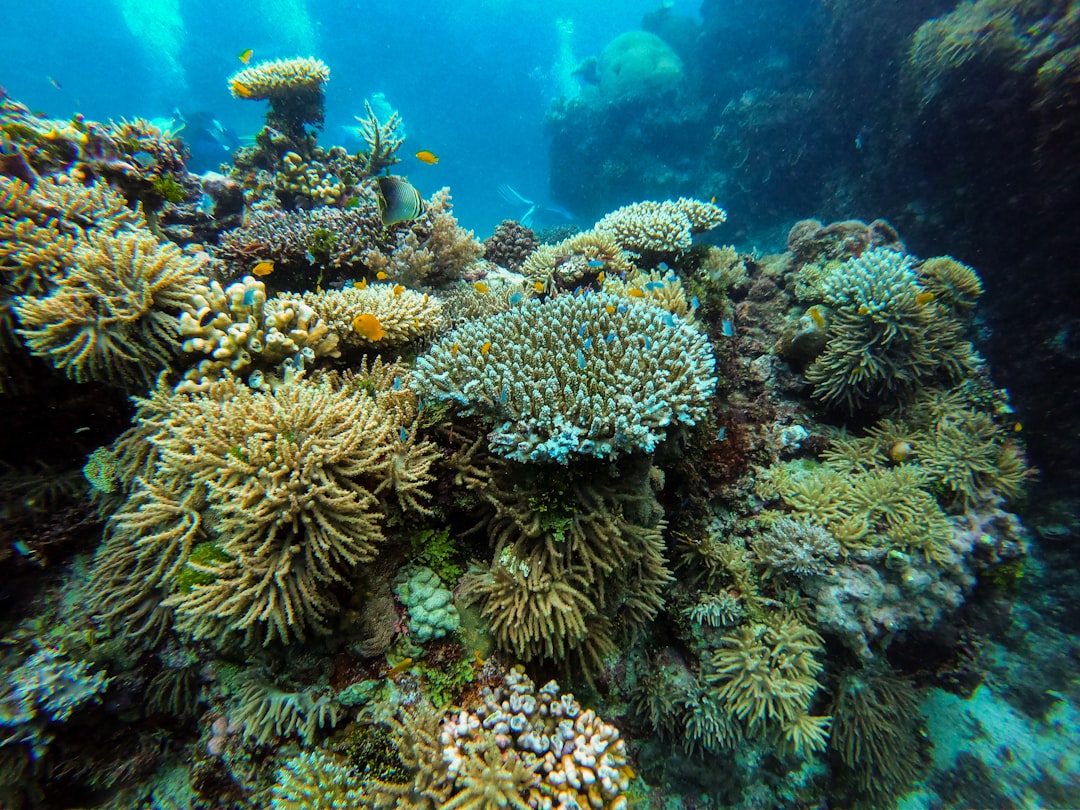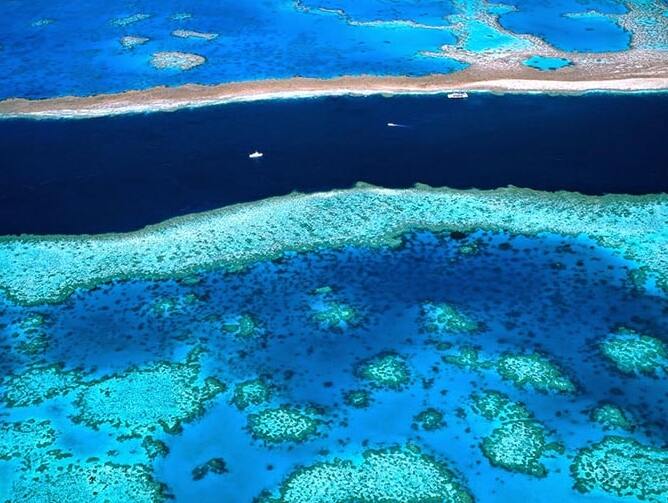

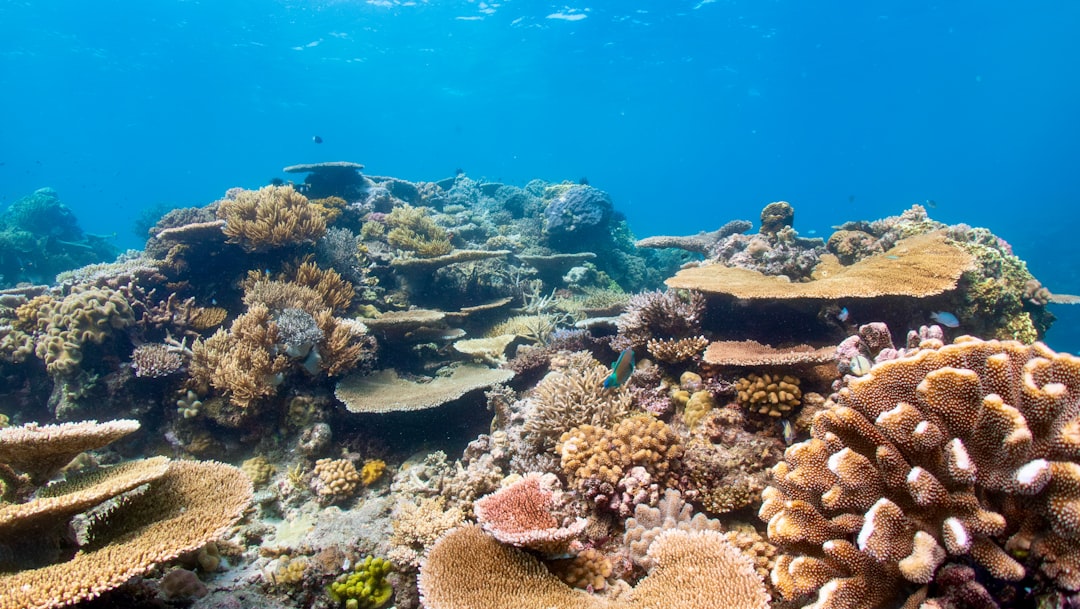
The Great Barrier Reef, a breathtaking natural wonder, is a living testament to the beauty and diversity of marine life. Stretching over 3,000 kilometers along the northeastern coast of Australia, this UNESCO World Heritage site is not just the largest coral reef system on the planet; it’s also a vibrant ecosystem teeming with life and history.
### History and Origins The origins of the Great Barrier Reef date back approximately 20 million years, formed by the accumulation of coral polyps that continue to shape its structure today. Ancient Aboriginal and Torres Strait Islander cultures have long revered this marine paradise, with their rich histories interwoven with the waters and islands of the reef. They called the reef “Gunggandji,” and their oral traditions tell tales of the spirits of the sea that inhabit these waters.
In the 1770s, British explorer Captain James Cook was among the first Europeans to document this incredible natural formation. His voyage aboard the Endeavour revealed the reef's stunning beauty to the Western world, although it was not without peril, as Cook famously ran aground on the reef during his explorations.
### Art and Architecture While the Great Barrier Reef is primarily celebrated for its natural beauty, it has inspired a wealth of artistic expression. Local Indigenous artists use the reef’s vibrant colors and forms in their work, creating paintings, weavings, and carvings that reflect the cultural significance of the sea. Notable artworks include those by Mavis Ngallametta, who draws on her experiences of the reef in her bark paintings and canvas pieces, celebrating its biodiversity and spiritual connections.
The architecture around the reef is largely functional and eco-friendly, designed to minimize environmental impact. Eco-resorts and research stations can be found throughout the area, blending seamlessly with the landscape and promoting sustainable tourism.
### Local Culture and Traditions The culture surrounding the Great Barrier Reef is a tapestry of Indigenous and contemporary influences. Local customs include traditional fishing practices, where fishermen respect the waters and their inhabitants, ensuring sustainable practices are maintained. Festivals such as the Great Barrier Reef Festival held annually in Cairns celebrate this natural wonder, featuring art, music, and cultural performances that highlight the region's rich heritage.
Additionally, the reef serves as a backdrop for traditional ceremonies, where Indigenous communities gather to pay tribute to their ancestral ties to the sea. These celebrations reinforce the connection between culture, community, and the environment.
### Gastronomy The culinary scene around the Great Barrier Reef is as diverse as its marine life. Fresh seafood is at the heart of local gastronomy, with dishes featuring barramundi, mussels, and prawns being popular among both locals and tourists. Bush tucker ingredients, like wattleseed and finger lime, are often incorporated into modern Australian cuisine, creating a unique fusion of traditional and contemporary flavors.
Don’t miss trying a Moreton Bay bug, a type of shellfish, often served grilled or in a creamy pasta. Pair your meal with local wines from the nearby Atherton Tablelands, or enjoy a refreshing Bundaberg ginger beer, a beloved Australian soft drink.
### Lesser-known Curiosities Beyond its renowned beauty, the Great Barrier Reef harbors lesser-known secrets. Did you know that it is home to the rare dwarf minke whale, which migrates through the reef each year? Additionally, the reef houses the Nautilus, a living fossil that has existed for over 500 million years. Visitors might also be intrigued to learn about the coral spawning phenomenon, where entire sections of the reef release eggs and sperm simultaneously, creating a breathtaking underwater spectacle.
Another fascinating aspect is the presence of ghost nets, abandoned fishing nets that pose a threat to marine life. Local conservation efforts are focused on removing these nets and rehabilitating affected wildlife, showcasing the dedication of the community to protect this natural treasure.
### Practical Visitor Information The best time to visit the Great Barrier Reef is during the dry season, from June to October, when the weather is mild and visibility for diving and snorkeling is at its peak. Cairns serves as a popular gateway to the reef, offering a plethora of tours, from glass-bottom boat rides to scuba diving adventures.
Visitors should consider packing reef-safe sunscreen to protect the fragile ecosystem. Furthermore, booking trips with eco-conscious operators ensures that your exploration supports conservation efforts. Pay close attention to the local wildlife, but remember to respect their space and habitat.
To truly experience the magic of the Great Barrier Reef, consider planning your adventure with tailored itineraries that reflect your interests. The Secret World app can help you create a personalized experience that captures the essence of this natural wonder.