
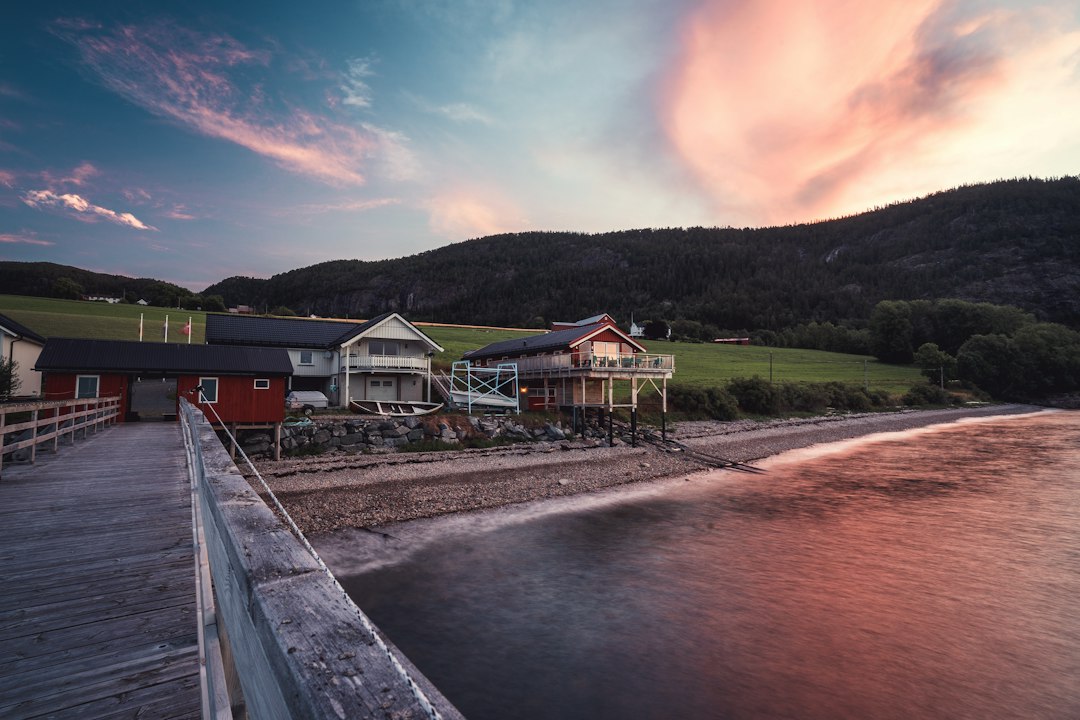

One hundred eighty liters per second. This is the figure that makes Deildartunguhver something difficult to imagine before seeing it in person: the hot spring with the highest flow rate in Europe erupts water at 97 degrees Celsius continuously and incessantly, raising clouds of white steam that disperse into the gray sky of the Borgarfjörður valley in western Iceland. The noise is dull and constant, like a deep breath of the earth.
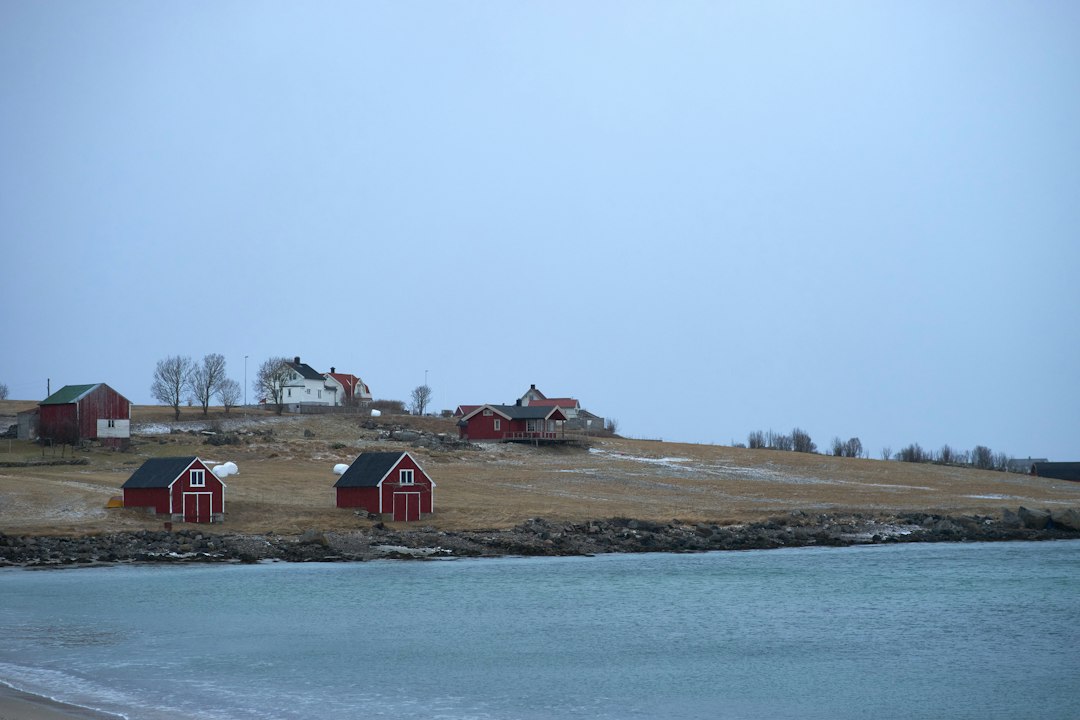
Next to the spring, just a few meters from the exact point where the water emerges from the ground, stands Krauma, a modern thermal facility inaugurated in 2017 that directly harnesses the geothermal heat of Deildartunguhver. It is not a spa in the commercial sense of the term: it is a place built to put the visitor in direct contact with a natural phenomenon of extraordinary proportions, in a landscape context that takes on an almost unreal quality in winter.
The spring and its natural context
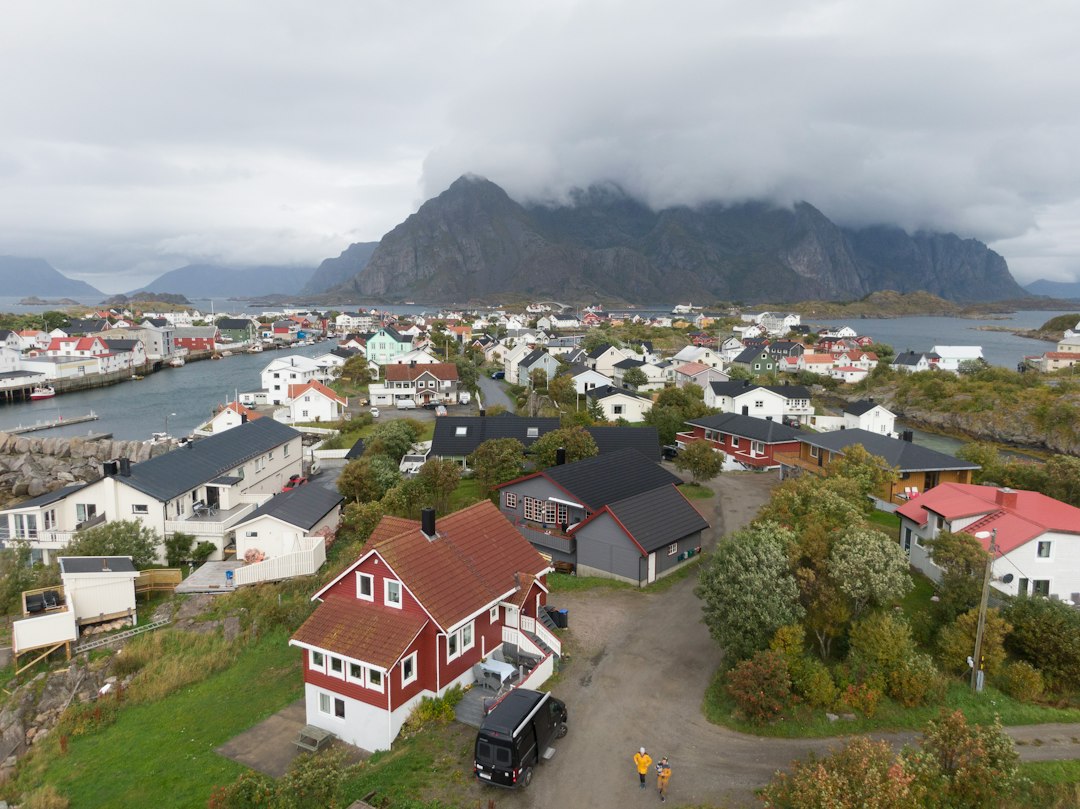
Deildartunguhver is located near Reykholt, a small locality in western Iceland also known for being the residence of the medieval writer Snorri Sturluson in the 13th century. The spring is visible from a walkway that allows safe access to the boiling water: the ground around is damp, steaming, with a yellowish color given by mineral deposits. Nothing should be touched outside the marked paths.
In winter, the contrast between the air temperature — which can drop well below zero — and the steam rising from the spring creates an extraordinary visual effect. Clouds of steam gather and move with the wind, sometimes completely obscuring the view of the spring, then they thin out revealing the bubbling and boiling water. It is a spectacle that requires no explanations.
Krauma: immerse yourself next to the spring
The pools of Krauma are fed by the water from Deildartunguhver, cooled to bathing temperatures — between approximately 36 and 42 degrees — and distributed in five outdoor pools of varying sizes. There is also a cold pool, fed by a glacial water spring, designed for those who want to practice the hot-cold alternation typical of Nordic tradition. The facility also includes a sauna and an indoor relaxation area.
The architecture of Krauma is sober and functional, with materials that reflect the surrounding landscape: dark wood, stone, glass. The pools are positioned to offer a direct view of the boiling spring, which remains visible just a few meters away during bathing. It is this detail — immersing oneself in hot water while observing the water at 97 degrees emerging from the earth — that makes the experience different from any other European spa facility. The entrance ticket to Krauma is around 30-35 euros for adults, with seasonal variations.
The therapeutic and sensory experience
The Icelandic geothermal water is rich in minerals, particularly silica and sulfur, which give it beneficial properties for the skin. The smell of sulfur is perceptible, but less intense compared to other Icelandic springs: at Deildartunguhver it is a background note, not a dominant element. After a session in the pools, the skin feels soft and the body relaxed in a different way compared to a regular heated pool.
In winter, the experience has an additional dimension: immersing oneself in the warm water with the head exposed to the cold air, under a sky that can gift the northern lights on clear nights, is a sensation that many visitors describe as hard to forget. The facility is open year-round and the evening lighting of the pools makes the nighttime visit particularly evocative.
How to get there and practical advice
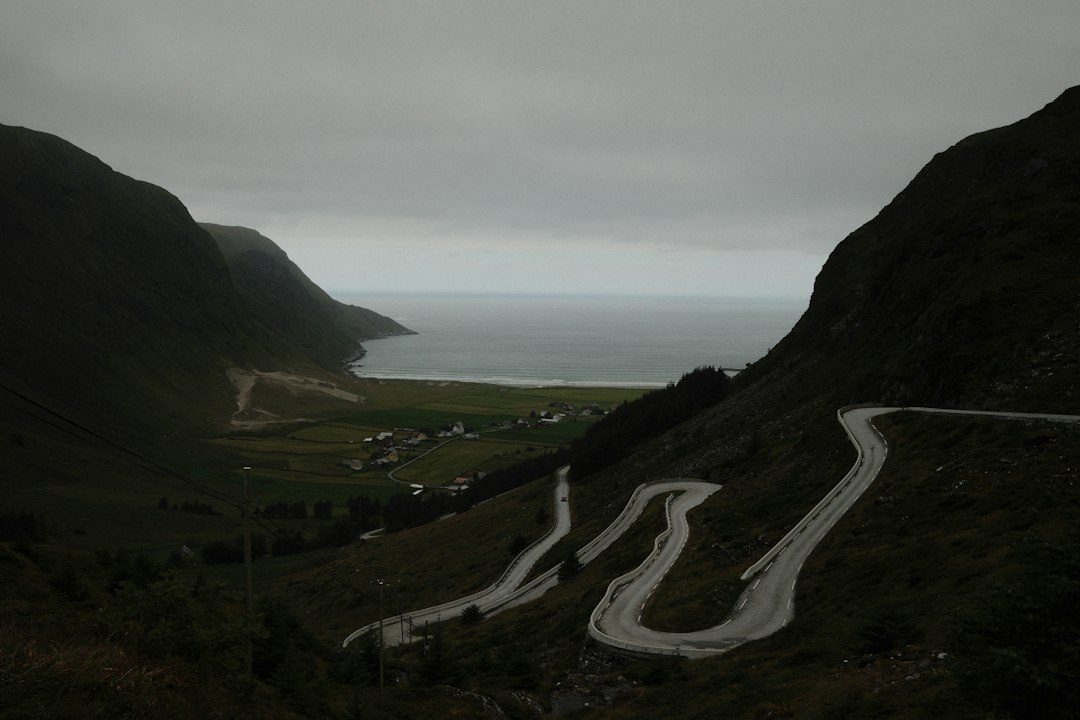
Deildartunguhver can be reached by car from Reykjavík by taking Route 1 north and then turning towards Reykholt: the journey is about 115 kilometers and takes just over an hour and a half under normal conditions. There is no direct public bus connection, so renting a car is practically essential. The road is paved and accessible year-round, but in winter it is necessary to check the weather conditions before departing.
The most useful advice is to book entry to Krauma in advance, especially during the summer months and on weekends: the facility has a limited capacity and can sell out. The best time to visit is late afternoon in the winter months, when the light fades quickly and the steam from the spring becomes even more visible. Bringing your own towel is recommended, even though the facility rents them out. Avoid getting close to the spring outside of the marked paths: the water at 97 degrees leaves no room for error.


