

The water springs from the earth at a natural temperature exceeding 40°C, leaving an unmistakable velvety sensation on the skin. We are at Deokgu Oncheon, one of the most appreciated hot spring destinations on the eastern coast of South Korea, nestled in the wooded valley of Uljin, in North Gyeongsang Province. Here, the sodium bicarbonate waters — called tansansu in Korean — have a chemical composition that sets them apart from most of the hot spring establishments in the country.
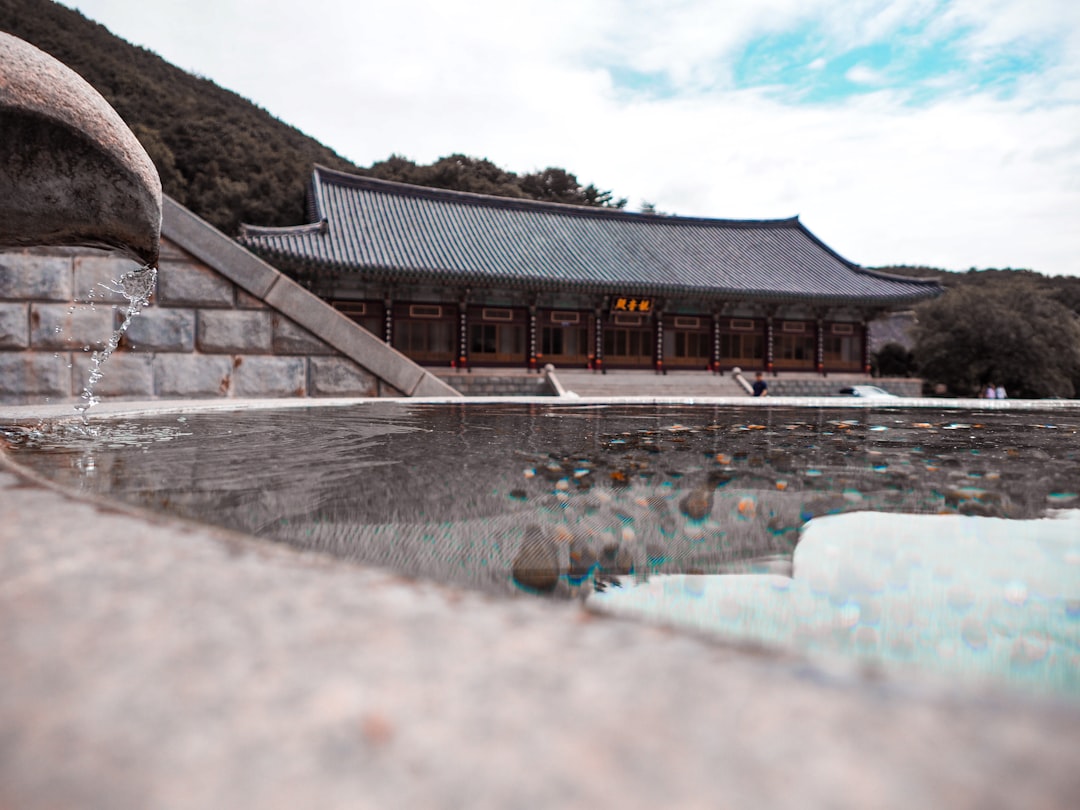
The complex is located along a stretch of valley carved by streams and surrounded by hills covered with Korean pines. Those arriving after a long bus journey from the coast find a landscape that radically changes from the sea: the air is cooler, the sound of water flowing between the rocks accompanies every walk, and the dense vegetation muffles the sounds of the outside world. It is this contrast between the warmth of the baths and the coolness of the forest that makes the experience of Deokgu something physically memorable.
The bicarbonate waters and their effects
The main characteristic of the Deokgu springs is their chemical composition: they are sodium-bicarbonate waters, known in Korea for their softening properties on the skin and for their calming effect on the nervous system. Unlike the sulfurous waters common in many Asian spas, those of Deokgu have no pungent smell, making them more accessible even to those sensitive to sulfur vapors.
The temperature of the outdoor baths typically ranges between 38°C and 42°C depending on the chosen bath, allowing for a gradual progression in immersion. Many Korean visitors follow the traditional ritual of jjimjilbang, alternating the heat of the baths with stops in steam rooms and periods of rest on heated mats. For those not used to this type of experience, it is advisable to start with the lower temperature baths and limit each immersion to no more than fifteen consecutive minutes.
The landscape of the valley and its surroundings
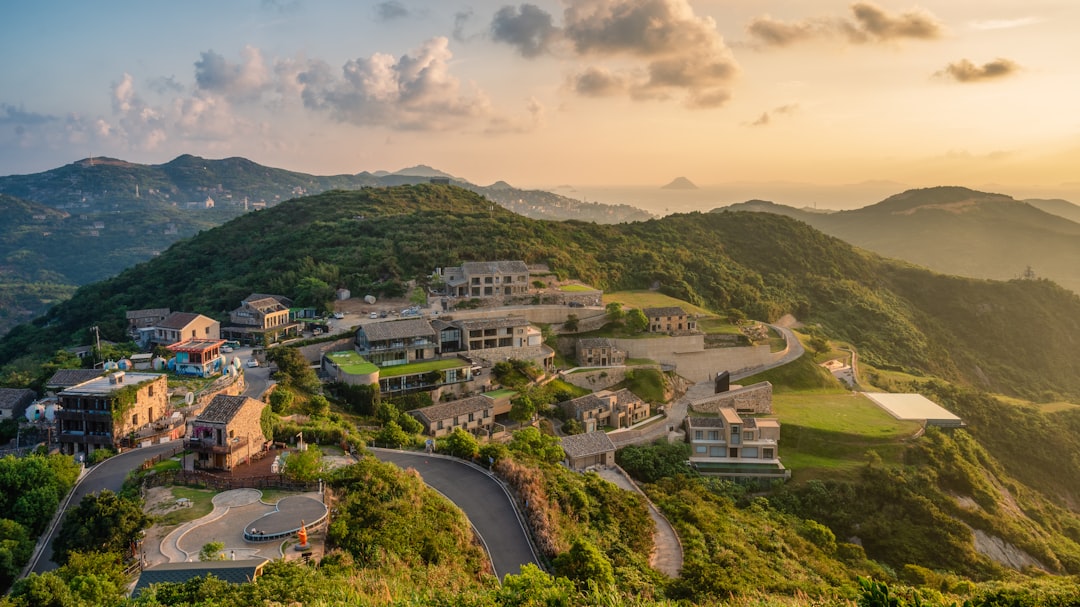
The resort is located in a valley that is part of the area surrounding the Deokgu Provincial Park, a protected area that includes hiking trails through deciduous and coniferous forests. The shorter trails can be completed in less than an hour and lead to viewpoints from which one can observe the entire valley with its thermal buildings integrated into the greenery. In autumn, when the beech and Korean maple trees turn red and orange, the color contrast with the gray rocks of the stream is particularly striking.
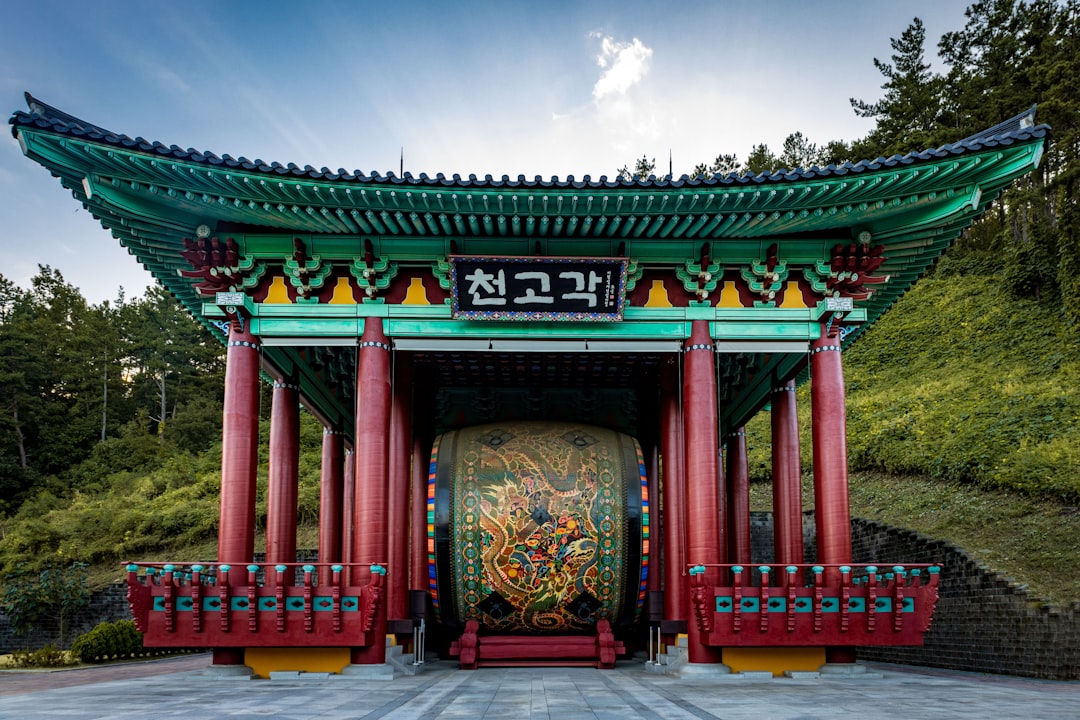
Not far from the main complex, there are some smaller, family-run establishments where it is possible to rent rooms with private baths fed directly by the spring. This option is preferred by many Korean couples who visit Deokgu as a destination for a relaxing weekend away from the big cities. The distance from Busan is about 170 kilometers, which can be traveled by intercity bus with a transfer in Uljin city.
Practical Information for the Visit
The most convenient way to reach Deokgu Oncheon without a car is to take an express bus to the city of Uljin and then a local bus to the Deokgu valley, with a frequency of about one trip every hour during daytime hours. The total journey from Busan takes an average of three and a half hours. Those traveling by car can follow National Road 36 inland from the coast.
Entrance prices to the main facilities are around 10,000-15,000 Korean won for access to the common baths, an amount in line with the standards of regional Korean spas. The best time to visit is late spring (May) or autumn (October-November), when the outside temperatures make the alternation between the hot baths and the fresh valley air particularly enjoyable. It is advisable to avoid weekends in August, when the influx of Korean tourists is at its peak and the baths become overcrowded. Bringing a personal towel is always recommended, although most facilities rent them at a modest cost.
An ancient ritual in a natural setting
The Deokgu hot springs do not offer the spectacular architecture of some modern spa resorts, nor attractions designed for international tourism. What they offer is something more direct: quality hot water, relative silence, and a natural landscape that remains the true protagonist of the experience. Visitors seeking aesthetic luxury may be disappointed by the functional appearance of some facilities, built mainly in the 1980s and 1990s.
Those who seek an authentic connection with Korean spa culture — characterized by simplicity, genuine water, and quiet conviviality among strangers sitting in the same tub — will find exactly what they are looking for at Deokgu Oncheon. It is a place that works because it does not try to be anything other than what it is: a hot spring in a mountain valley, accessible to anyone who wants to stop by.


