
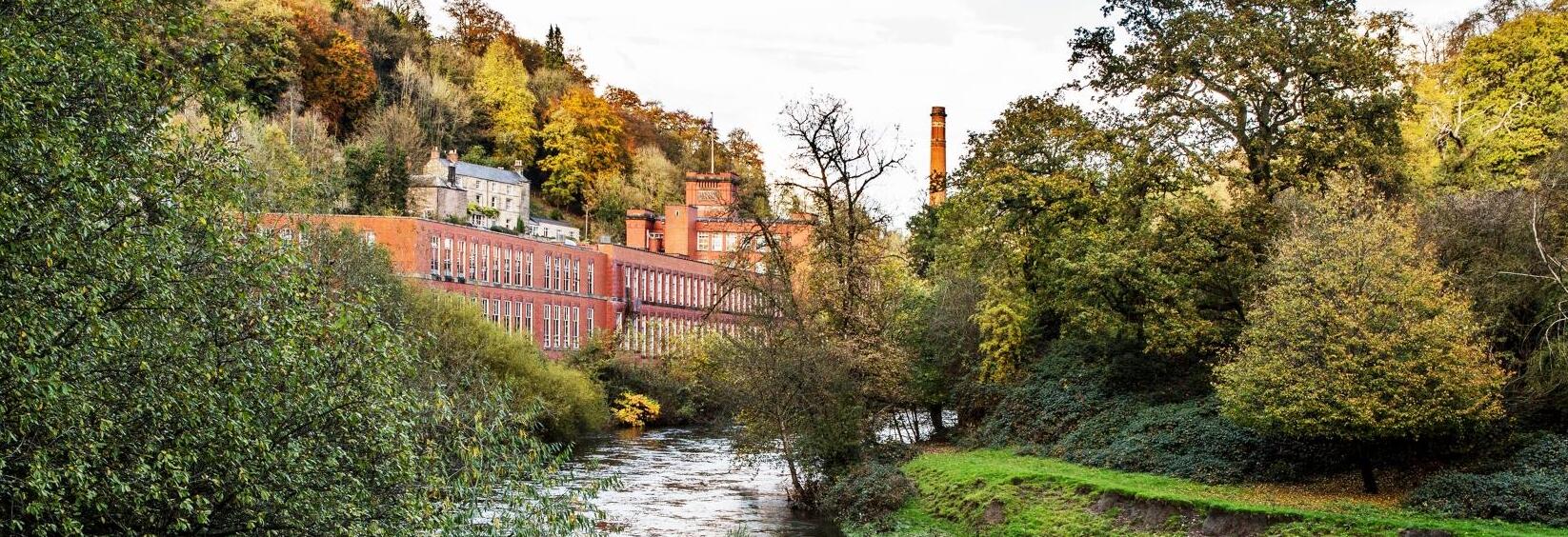

Nestled along the picturesque River Derwent, the Derwent Valley Mills is not just a collection of impressive structures but a testament to England's industrial revolution. Often dubbed the birthplace of the factory system, this UNESCO World Heritage Site is a treasure trove of history, architecture, and culture. Its story begins in the early 18th century with the Silk Mill, built in 1721 by the industrious Lombe brothers, John and Thomas. However, it gained monumental significance when the visionary Richard Arkwright established the world’s first water-powered spinning mill in the late 1700s. This innovation transformed the textile industry, setting a standard for factory production not only in the UK but around the globe.
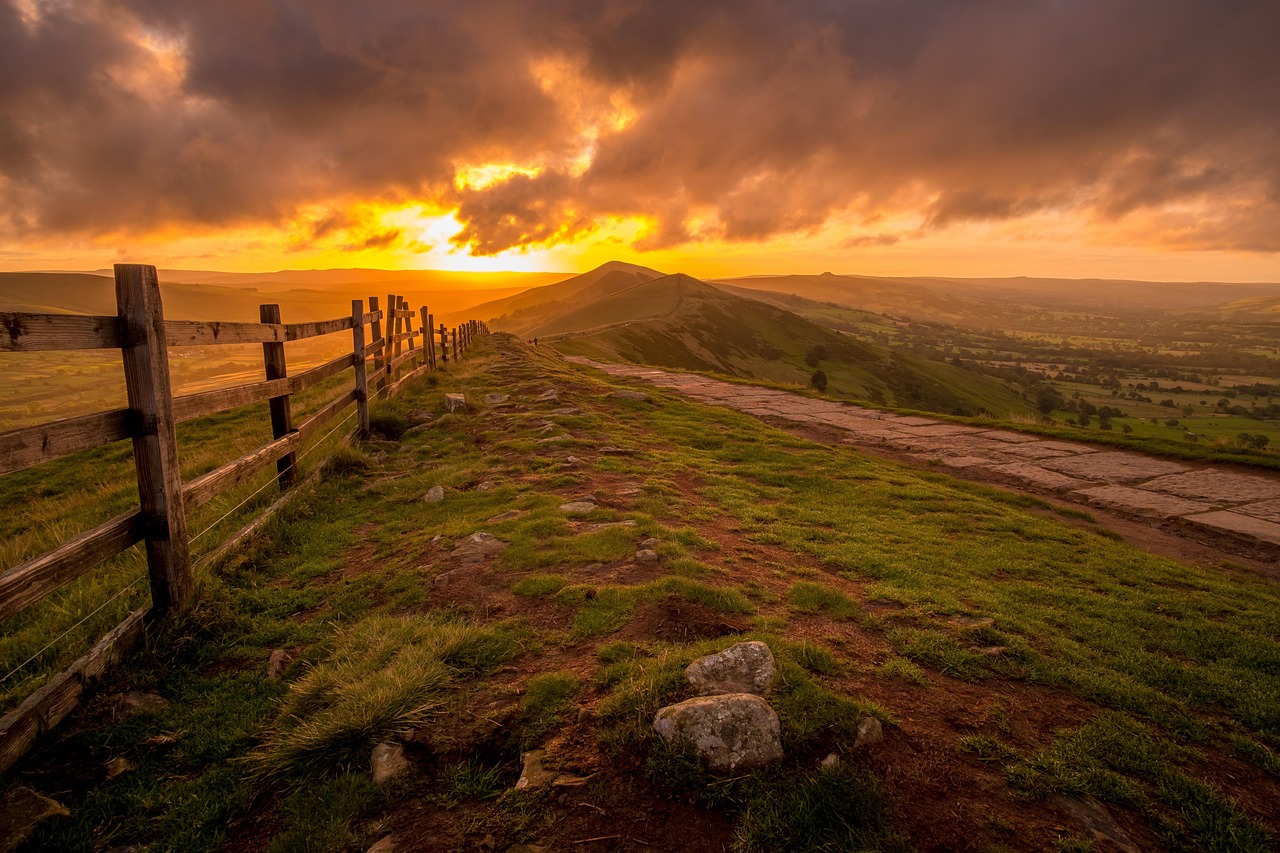
The architectural grandeur of the mills is a sight to behold. The Derwent Valley Mills showcases various styles, predominantly Victorian architecture, with red-brick buildings that tell tales of ambition and innovation. The Cotton Mill, with its distinctive clock tower, and the Masson Mill, once the largest mill in the area, stand tall as monuments to this era. Inside, remnants of the industrial past mingle with modern artistic interpretations, creating a unique atmosphere where history meets contemporary creativity.
Local culture is deeply intertwined with the legacy of these mills. Festivals celebrating the rich textile history, like the Derbyshire Heritage Festival, attract visitors eager to learn about traditional crafts and the lives of those who worked in the mills. The area is also known for its community spirit, with locals often gathering for events that highlight the significance of their industrial heritage.
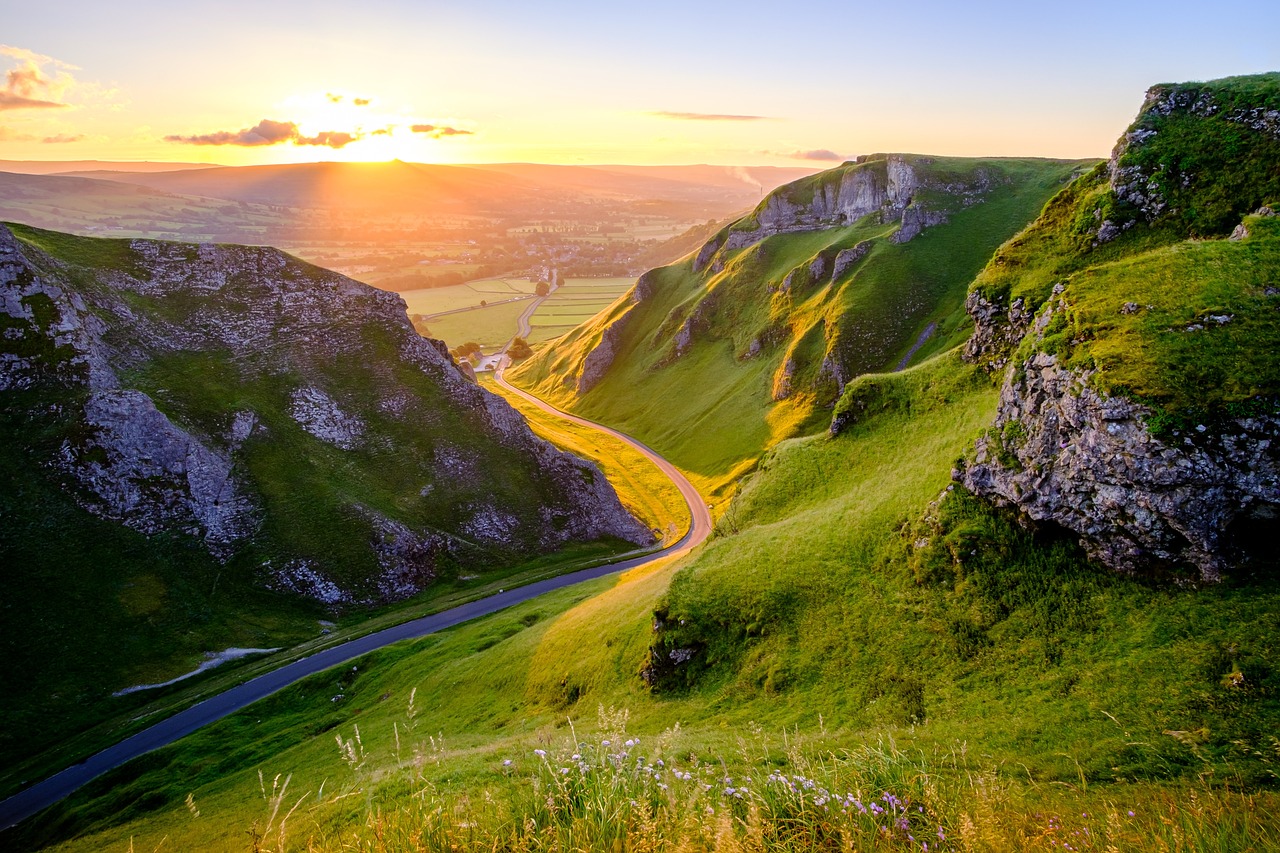
When it comes to gastronomy, the Derwent Valley offers a taste of local delights. Traditional dishes such as Bakewell pudding—a sweet almond pastry—are a must-try for visitors. Pair this with locally brewed ales from one of the nearby breweries, and you have a culinary experience that pays homage to the region's agricultural roots.
For those keen on uncovering hidden gems, the Derwent Valley Mills holds many surprises. One lesser-known fact is that the area was pivotal in the development of the Lombe’s Silk Mill, where innovative techniques were employed to improve silk production efficiency. Additionally, the nearby Strutt's North Mill in Belper, known for its unique architecture and role in the cotton industry, is often overlooked but offers insight into the daily lives of mill workers.
The best time to visit the Derwent Valley Mills is during the spring and summer months when the surrounding landscape is in full bloom, and outdoor events are frequent. Exploring the area on foot or by bike along the scenic river paths provides an immersive experience. Pay attention to the interpretive signs that detail the rich history of each mill, and don’t miss the opportunity to visit the Derby Museum and Art Gallery, which hosts exhibits related to the textile industry.
In conclusion, the Derwent Valley Mills stands as a remarkable testament to a transformative era in industrial history. Its captivating combination of heritage, culture, and stunning architecture makes it a must-visit site in Derbyshire. For a personalized experience that uncovers all the unique aspects of this historical gem, consider using the Secret World app to craft your own itinerary.


