



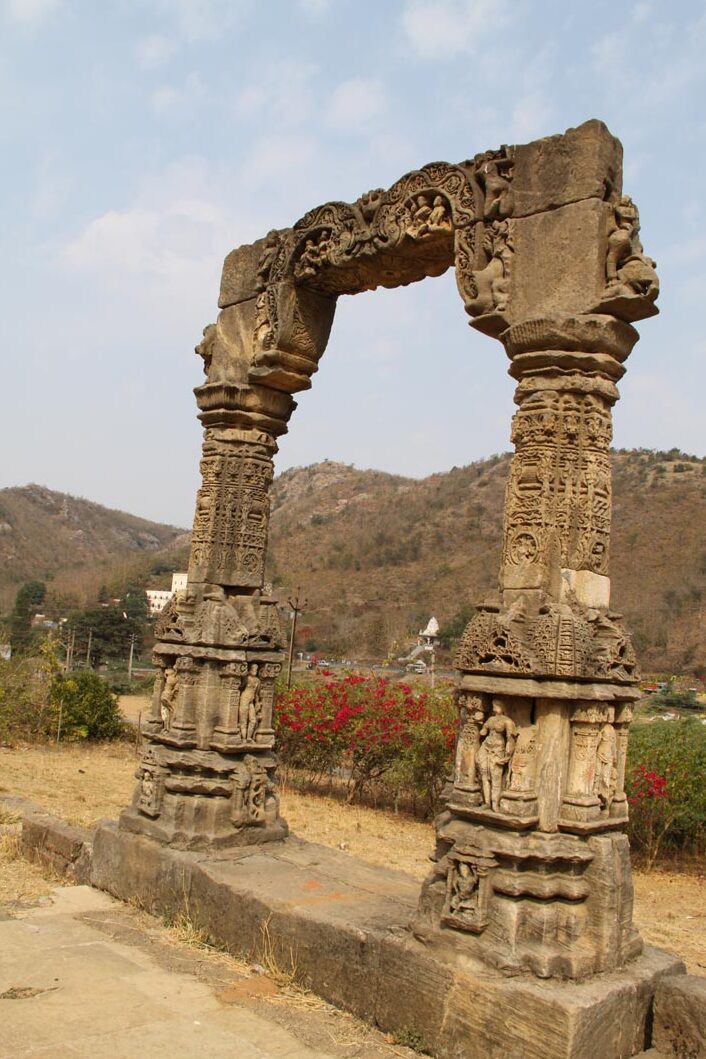
Nestled in the serene Aravalli District of northern Gujarat, Devnimori stands as a testament to centuries of cultural evolution and spiritual significance. This ancient Buddhist archaeological site, located just 2 kilometers from the bustling town of Shamlaji, invites visitors to explore its rich history and artistic heritage. Dating back to the 3rd or 4th century CE, Devnimori was strategically positioned along key trade routes, serving as a crucial hub for caravans traveling through the region. The site reflects the historical tapestry of Gujarat, where Buddhism, Hinduism, and later Islamic influences converged over the centuries. It was excavated between 1960 and 1963, unveiling layers of history that include Buddhist artifacts from prior to the 8th century, mixed religious artworks from the Gurjara-Pratihara period, and Muslim glazed ware from the 14th century. This blend of cultures is a fascinating reflection of the dynamic interactions that shaped the region over time.
As you wander through the remnants of this ancient site, the art and architecture of Devnimori reveal themselves in captivating ways. The architectural style showcases typical features of Buddhist stupas, monastic complexes, and rock-cut caves, which were designed to foster meditation and communal worship. The intricate carvings and sculptures found here are not only beautiful but also significant in understanding the evolution of Buddhist art in Gujarat. Notable artworks include exquisitely detailed Buddha figures, lotus motifs, and ornamental designs that echo the craftsmanship of the era.
Devnimori is not just an archaeological site; it is a living expression of the local culture and traditions that continue to thrive in Gujarat. The nearby communities celebrate various festivals, with Buddhist events often commemorating the life of the Buddha. Local customs, such as the practice of meditation in serene environments, reflect the enduring influence of Buddhism in the area. Visitors may encounter rituals, storytelling traditions, and folk performances that bring the region's history to life.
A visit to Devnimori wouldn’t be complete without indulging in the gastronomy of Gujarat. The local cuisine is a vibrant tapestry of flavors, with dishes such as dhokla, thepla, and khandvi representing the culinary heritage of the region. Street vendors in nearby Shamlaji offer delicious snacks like farsan and bhaji, while traditional sweets like gajar halwa and moti choor ladoo provide a sweet conclusion to any meal. Pair your food with a refreshing cup of masala chai for a truly authentic experience.
For those eager to dive deeper, there are lesser-known curiosities about Devnimori that can enrich your visit. One fascinating detail is that the site became partially submerged due to the construction of a water reservoir on the Meshwo River between 1959 and 1972, which inadvertently preserved some of the artifacts. Additionally, the area is rumored to have been a stop for ancient pilgrims, drawing not just merchants but also spiritual seekers from distant lands.
When planning your trip, the best time to visit Devnimori is between October and March, when the weather is cooler and more conducive to exploration. Dress comfortably, and be prepared for a blend of both historical reflection and natural beauty. Look out for the remnants of ancient stupas and intricate carvings that adorn the monastic structures, as these are key highlights of the site.
Engaging with the local guides can also provide deeper insights into the history and significance of Devnimori, as they often share stories that are not documented in textbooks.
As you journey through this remarkable site, let the whispers of history guide you, revealing the spiritual and cultural legacies that continue to inspire generations. For a personalized adventure, consider using the Secret World app to tailor your itinerary to uncover more of what Devnimori has to offer.
