

To reach the vineyards of Dingač, one must pass through a tunnel carved into the rock of the Pelješac peninsula. This is not a metaphor: it is a physical passage, about 400 meters long, that the winemakers had built in 1973 to connect the inner side of the peninsula with the cliffs overlooking the Adriatic Sea. Before that tunnel, the grapes were transported by hand along steep paths. In part, they still are.
Potomje is the small village that serves as the gateway to this wine region, and the Poljoprivredna Zadruga i Vinarija Dingač is the cooperative winery that gathers the work of dozens of local grape growers. The Dingač designation was the first controlled designation of origin recognized in the former Yugoslavia, officially established in 1961, a detail that speaks volumes about the historical importance of this territory for Croatian viticulture.
The terroir: slopes at 45 degrees and sun reflected from the sea
The vineyards of Dingač grow on limestone cliffs with inclinations exceeding 45 degrees, facing south towards the Mljet channel. At these latitudes and with this exposure, the grape clusters receive an exceptional amount of sunlight, amplified by the reflection of the underlying sea. The poor and rocky soil, composed mainly of limestones and dolomites, forces the roots to descend deeply and produces grapes with very high sugar concentrations.
The protagonist grape variety is Plavac Mali, an indigenous grape from Dalmatia that genetic studies have confirmed to be a direct descendant of California's Zinfandel and Puglia's Primitivo. The small berries with thick skins accumulate tannins and sugars to a remarkable degree: it is not uncommon for Dingač wines to reach alcohol levels between 13 and 15 degrees without the addition of sugars. The harvest is strictly done by hand, as no mechanical means could operate on these slopes.
The visit to the winery and the tasting
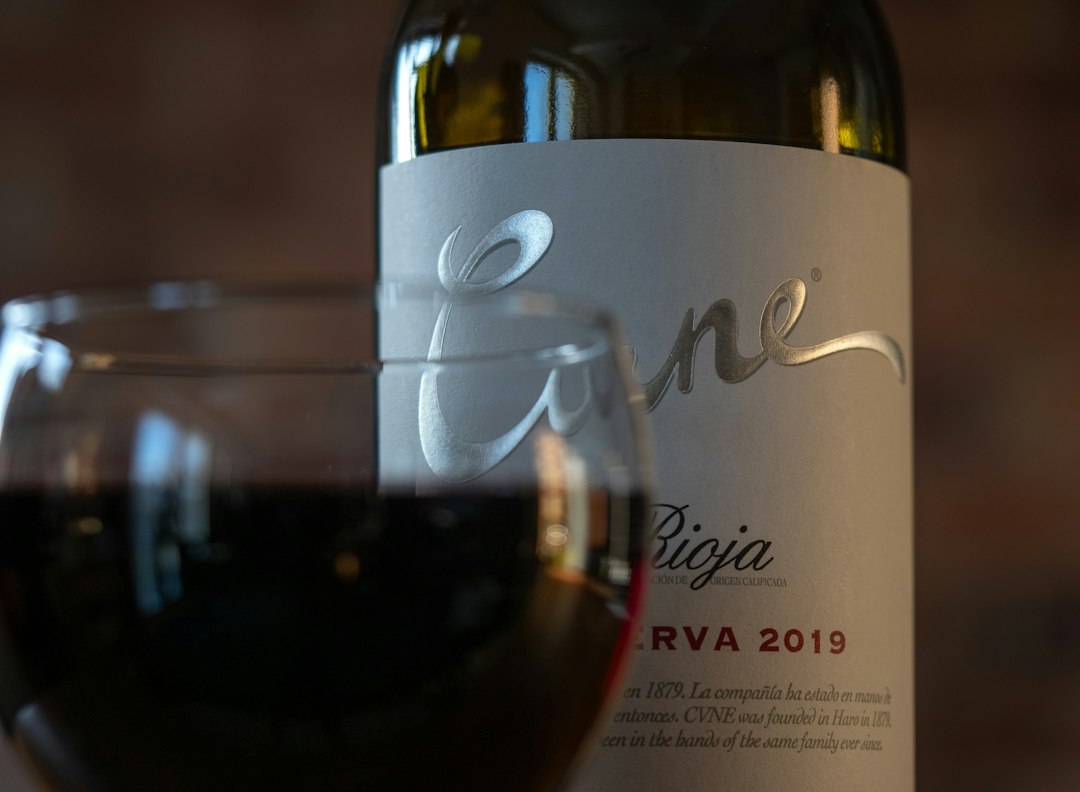
The cooperative winery of Potomje offers tastings of its wines in a functional environment, without excessive scenic pretensions. What matters is the glass. The Dingač from the cooperative presents itself with a deep ruby red color, almost garnet after a few years of aging. On the nose, notes of ripe plum, tobacco, dark spices, and a mineral background reminiscent of the limestone rock of the vineyards emerge. In the mouth, it is warm, with tannins present but not aggressive in the best vintages, and a long persistence.
In addition to Dingač, the cooperative also produces wines from Plavac Mali grapes grown in nearby areas with the Postup designation, which are lighter and less concentrated, suitable for those seeking a less demanding approach to the grape variety. During the tasting, it is possible to compare the two styles and understand how much the microterroir influences the final result in the glass. The staff is generally available to explain the differences between the vintages and the production methods.
The tunnel and the vineyards: what to see physically
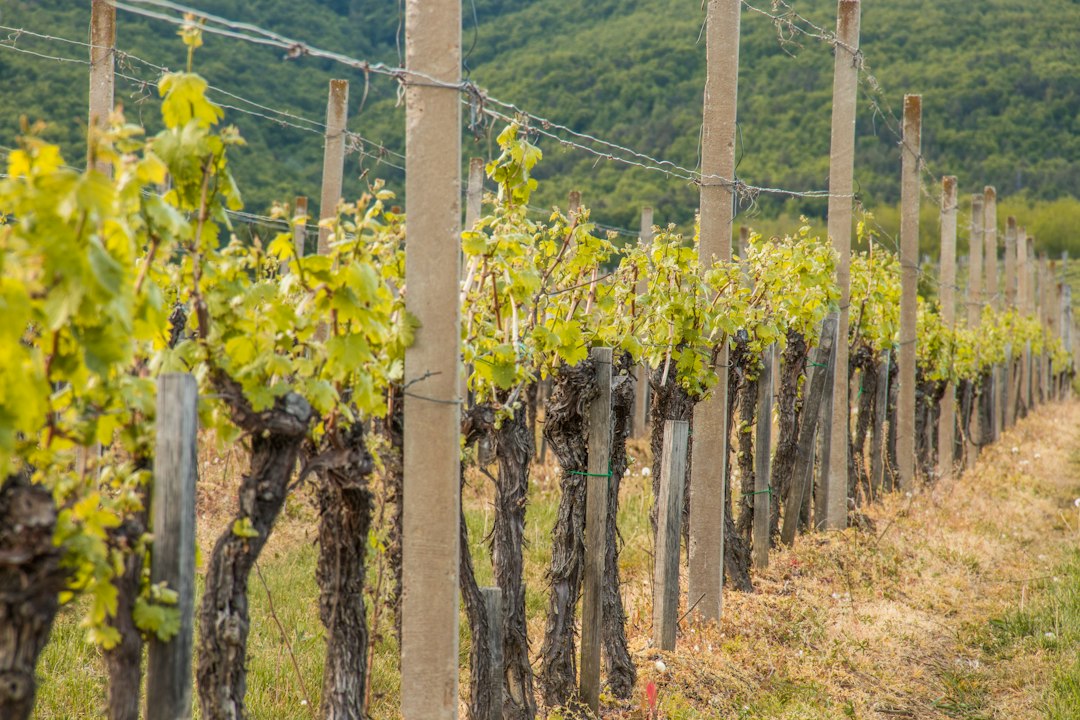
One of the most concrete and memorable elements of the visit is the passage through the Dingač tunnel. Traveling through it by car or on foot, you emerge on the southern side of the peninsula and suddenly find yourself facing a vertical panorama: the vineyards descend towards the sea in narrow rows, the low vines anchored to wooden or metal poles to withstand the bora wind. In summer, the heat reflected from the light rocks is physically noticeable by mid-morning.
Observing the vineyards up close allows you to understand why manual harvesting is not a romantic choice but an absolute necessity. The rows are so steep and close together that the pickers work by clinging to the vegetation and carry the crates on their shoulders. Some families still use small handcrafted monorails to lower the load down. It is an agricultural landscape that has no easily replicable equivalents elsewhere.
Practical tips for the visit
Potomje can be reached from the city of Orebić in about 15-20 minutes by car, following the road that crosses the interior of the Pelješac peninsula. From Dubrovnik, the journey takes about an hour and a half, crossing the Bosnian territory of Neum or taking the ferry to avoid it. The best time to visit the winery is between May and October, when it is easier to find the sales point open and staff available for tastings.
It is advisable to contact the winery in advance if traveling in a group or if a structured guided tour is desired, as the cooperative does not have the infrastructure of a large tourist estate. For those who want to buy bottles to take home, it is good to know that Dingač ages well: the warmer vintages can improve further after five or ten years in the cellar. Buying a few extra bottles is never a wrong decision.


