
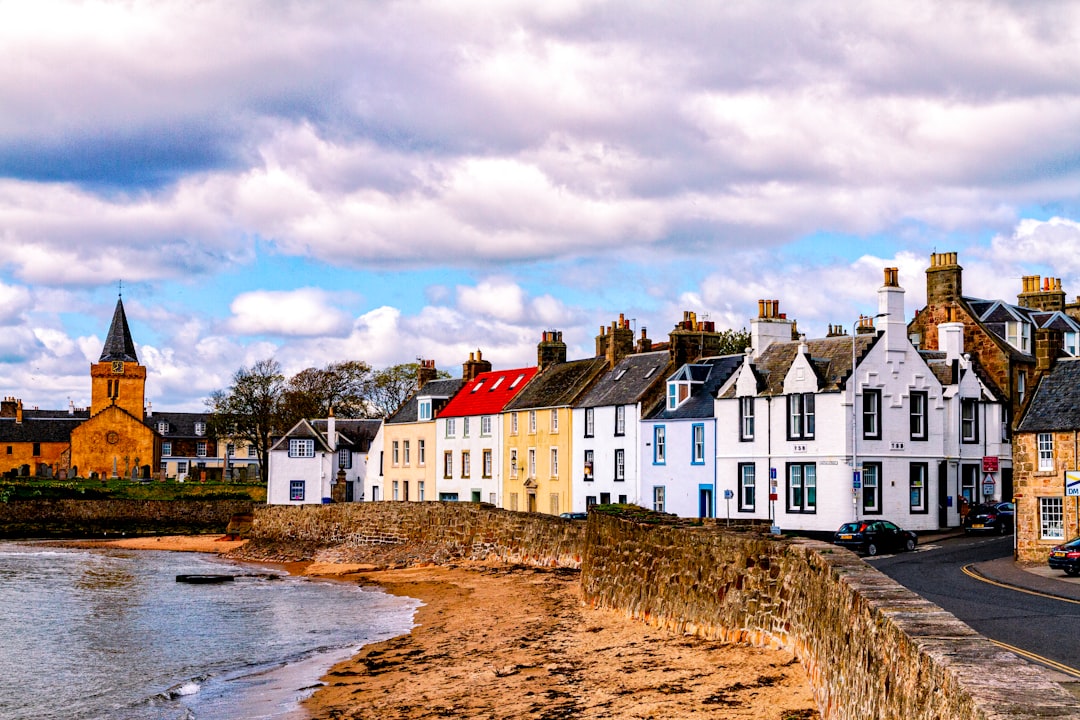

In the heart of Scotland, specifically in the historic city of Edinburgh, lies Balm Well, an architectural structure of significant importance. This place, nestled between natural beauty and the rich history of the Scottish capital, represents a fascinating example of how architecture can reflect local traditions and cultural heritage. Balm Well, classified as a category B monument, is a landmark that deserves to be explored by those wishing to discover the nuances of Scottish history.
Its strategic location, with coordinates 55.9028966, -3.1642422, makes it easily accessible for visitors. The structure is not only a monument but also a symbol of the connection between nature and history, a place where the past intertwines with the present, offering visitors a unique experience.
History and Origins
Balm Well bears witness to a significant historical period for Edinburgh, a city that has seen centuries of changes and developments. Although specific details about its origins are not widely documented, it is evident that this architectural structure has played an important role in the context of the local community. Its classification as a category B monument underscores its historical and architectural relevance, making it a landmark for those studying the city's history.
The presence of Balm Well in Edinburgh's history invites us to reflect on how sources of water and places of worship have influenced social and religious practices over the centuries. While detailed information about its origins is not available, it is plausible that the wellness and health symbolized by this spring have attracted visitors and pilgrims throughout history.
Elements to Observe
Visiting Balm Well, one encounters an architectural structure that embodies Scottish style and culture. Its construction, while simple, is characterized by details that tell stories of past eras. The architectural elements, combined with the surrounding natural context, create an atmosphere of tranquility and contemplation. This is a place where one can immerse themselves in the beauty of the Scottish landscape while reflecting on the history that permeates every stone.
Moreover, the site offers the opportunity to observe local flora and fauna, making a visit to Balm Well not only a historical experience but also a moment of direct contact with nature. The location of Balm Well, surrounded by greenery, invites a relaxing walk and the discovery of the secrets that nature has to offer.
Why It Is Interesting Today
Today, Balm Well represents a point of interest not only for history enthusiasts but also for those seeking an authentic experience away from the more beaten tourist paths. Its presence in the heart of Edinburgh offers a unique opportunity to explore the city from a different perspective, appreciating its cultural and historical heritage. Visiting this monument allows for a better understanding of the connection between past and present, a central theme in Edinburgh's narrative.
In an era where sustainability and respect for cultural heritage are increasingly important, Balm Well stands as an example of how historical places can continue to inspire and educate future generations. Its history and natural beauty make it a place of reflection and discovery, perfect for those seeking a meaningful travel experience.
Practical Information for Visitors
For those wishing to visit Balm Well, it is advisable to plan your visit in advance. The structure is easily reachable from the center of Edinburgh, and a walk in the surrounding neighborhood can prove to be a great opportunity to further explore the culture and history of the city. It is important to respect the site and its historical significance, avoiding behaviors that may compromise its integrity.
Finally, to further enrich your experience, you can use the Secret World app, which offers tips and useful information for exploring historical and cultural points of interest in Scotland. Through this app, visitors can discover hidden treasures like Balm Well and immerse themselves in the fascinating history of this corner of Edinburgh.


