
🎄 Win a month in Italy for two — €10,000 · The Secret Italy Prize GO →
Discover Cáceres Old Town: A Journey Through Spain's History
← Back
Parks and gardens

Discover Cáceres Old Town: A Journey Through Spain's History

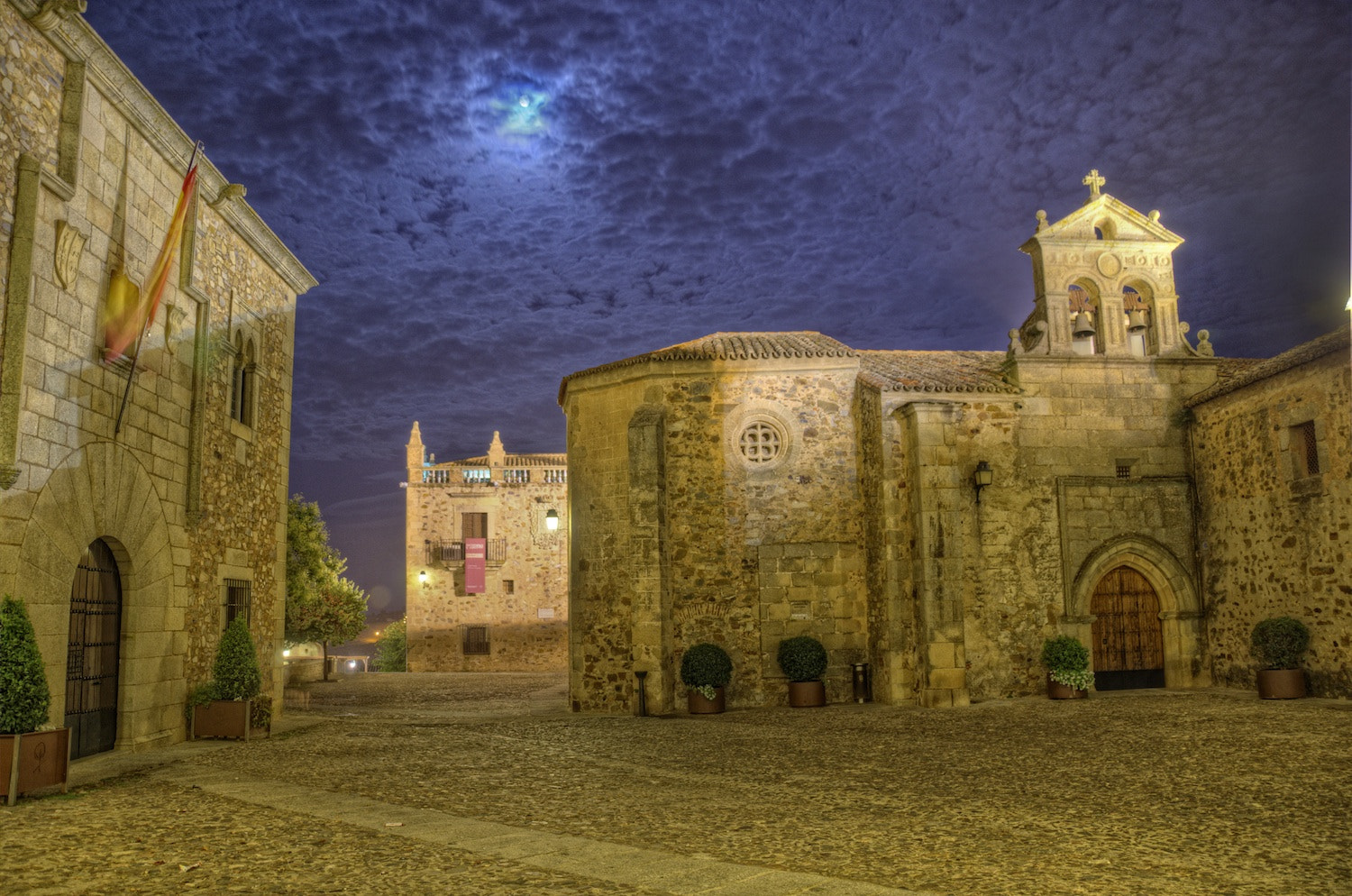
Cáceres Old Town, located in the historic city of Cáceres in Extremadura, Spain, is an architectural gem that tells centuries of history through its cobblestone streets and monuments. This area, declared a UNESCO World Heritage Site in 1986, is a perfect example of how the past c...

Photo · Rania N.

Discover Cáceres Old Town: A Journey Through Spain's History — 8FF8F9GC+4V.

Location
8FF8F9GC+4V
Type
Parks and gardens
Opening hours
Weather now
↗ Directions

About Discover Cáceres Old Town: A Journey Through Spain's History

Discover Cáceres Old Town: A Journey Through Spain's History | Secret World Trip Planner

Cáceres Old Town, located in the historic city of Cáceres in Extremadura, Spain, is an architectural gem that tells centuries of history through its cobblestone streets and monuments. This area, declared a UNESCO World Heritage Site in 1986, is a perfect example of how the past can coexist with the present, offering visitors a unique and engaging experience.

Walking through the streets of Cáceres, one immediately feels enveloped by a fascinating atmosphere, where every corner tells a story. Roman, Muslim, and medieval influences blend harmoniously, creating an urban landscape rich in charm and culture. The city is a true open-air museum, where every building has a narrative to share.

History and Origins

The origins of Cáceres date back to Roman times when it was known as Norba Caesarina. Its strategic location made it an important commercial and military center. With the arrival of the Muslims in the 8th century, the city underwent a significant transformation, becoming an important outpost of Islamic culture in Iberia. During the medieval period, Cáceres experienced further development, with the construction of numerous palaces and churches that reflected the power and wealth of noble families.

Over the centuries, Cáceres has maintained its historical charm, resisting the modern changes that have affected other cities. Its architecture, which combines different styles, is a testament to a rich and varied past, making the historic center a place of great interest for historians and tourists.

Elements to Observe

Frequently Asked Questions

Cáceres Old Town was declared a UNESCO World Heritage Site in 1986 because it is an exceptional architectural gem that showcases centuries of history through its well-preserved streets and monuments. The city's unique blend of Roman, Muslim, and medieval influences creates a remarkable urban landscape that demonstrates how the past coexists harmoniously with the present, making it a true open-air museum.
Cáceres originated as Norba Caesarina during Roman times, serving as an important commercial and military center due to its strategic location. The city's importance continued through the 8th century when Muslim arrivals transformed it into a significant outpost of Islamic culture in Iberia, followed by medieval development that brought construction of numerous palaces and churches reflecting noble families' power and wealth.
Walking through Cáceres, you'll encounter a harmonious blend of Roman, Muslim, and medieval architectural influences that have been preserved throughout the centuries. Every building in the historic center tells a story of the city's varied past, with the architecture serving as a testament to the different cultural periods that shaped the city's development.
Unlike many other historic cities, Cáceres has remarkably resisted modern changes that would compromise its historical charm and character. This commitment to preservation makes the historic center particularly special for visitors seeking an authentic experience of Spain's medieval and ancient past without modern urban development.
Cáceres stands out as an exceptional example of how past and present coexist, functioning as a true open-air museum where centuries of history are visible on every corner and in every building. The unique convergence of Roman, Muslim, and medieval influences creates a distinctive urban landscape that is rare among Spanish historic cities and appeals equally to historians and tourists.

Experiences nearby

Powered by Viator

See more on Viator.com

Secret World Hidden places, real stories — plan your trip
Get the app
