
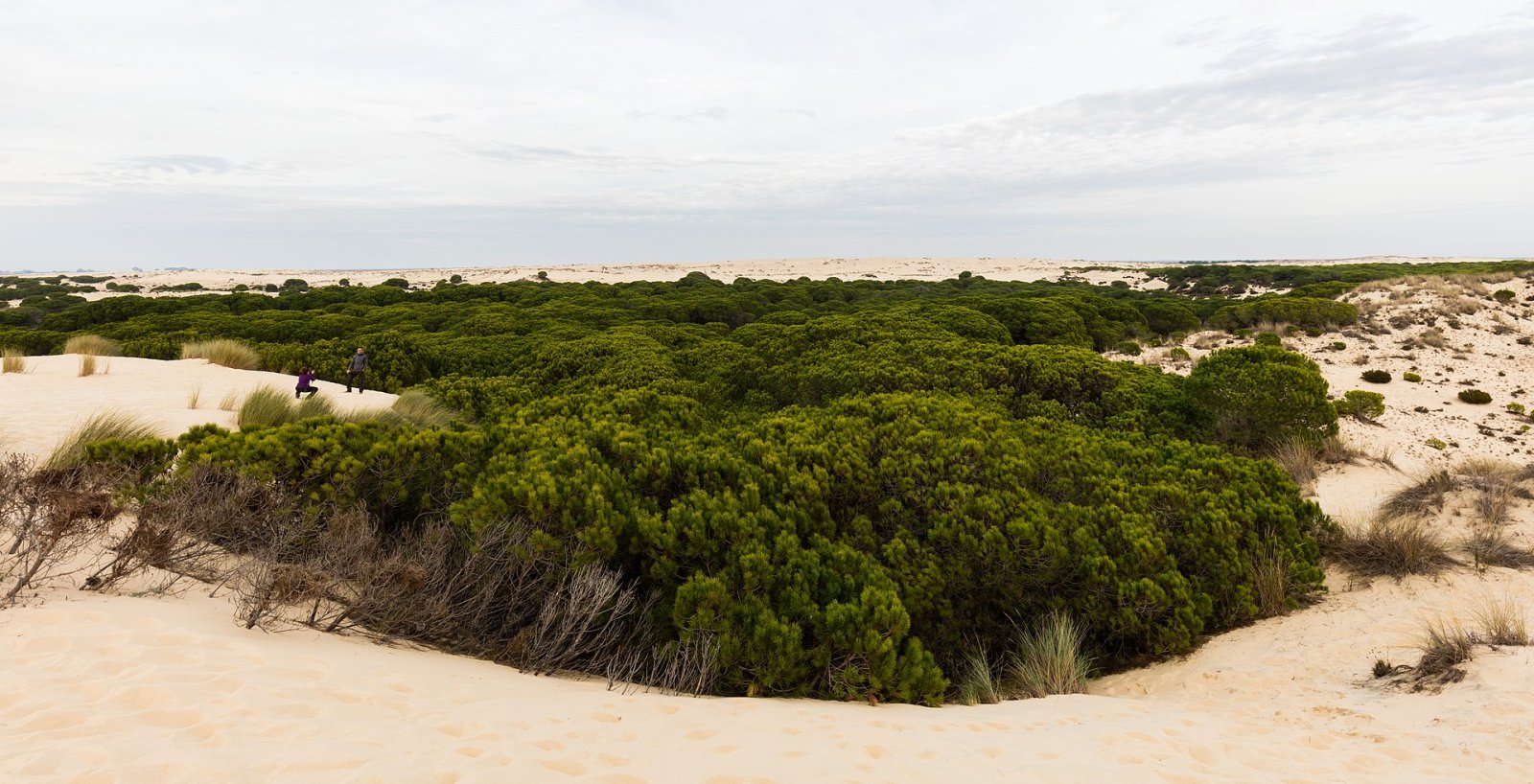

Doñana National Park, located in the province of Huelva in Andalusia, is one of the most fascinating and biodiverse natural reserves in Europe. Covering an area of 543 km², of which 135 km² are protected, this park is a true ecological treasure, characterized by a varied landscape that includes wetlands, shallow waterways, and sand dunes. Its importance has been recognized internationally, thanks to its designation as a reserve in 1969, a result of collaboration between the World Wildlife Fund and the Spanish government.
The natural beauty of Doñana is not only a draw for nature lovers but also for those interested in the history and culture of the region. This park, named after Doña Ana de Silva y Mendoza, wife of the seventh Duke of Medina Sidonia, is located in a strategic area where the Guadalquivir River meets the Atlantic Ocean, creating a unique ecosystem that deserves to be explored.
Why It's Worth the Trip
Visiting Doñana National Park means immersing oneself in an environment of extraordinary beauty and biodiversity. Here, one can observe numerous species of migratory birds, as well as a variety of flora and fauna not found anywhere else in Europe. The park is a refuge for endangered species, making a visit not only a visual experience but also an opportunity to understand the importance of environmental conservation.
Moreover, the variety of ecosystems present, from marshes to sand dunes, offers a unique experience for photography enthusiasts and hikers. Every corner of the park tells a story and invites exploration, making each visit a memorable adventure. The richness of Doñana attracts scholars and researchers as well, who find here a natural laboratory to study biodiversity and the effects of climate change.
Landscape and Atmosphere
The landscape of Doñana National Park is characterized by an extraordinary variety of natural environments. The vast expanses of marshes and sand dunes create a fascinating contrast, while the waterways winding through the vegetation provide an ideal habitat for many animal species. The atmosphere is that of a remote and unspoiled place, where silence is broken only by the songs of birds and the rustling of the wind among the reeds.
The sunlight reflecting on the waters of the marshes and the scent of the native flora contribute to creating a unique sensory experience. Each season brings different colors and sounds, making Doñana a place to visit at any time of the year. The tranquility of the park invites reflection and contemplation, making it a perfect refuge for those seeking a break from the hustle and bustle of everyday life.
What to See and Do
Within the park, there are numerous trekking paths that allow exploration of the different ecological areas. Guided walks offer the opportunity to get close to wildlife and learn more about the local flora. There are also observation points, ideal for birdwatching enthusiasts, where it is possible to spot rare and migratory species.
Additionally, the park is connected to several historic sites in the surrounding area, which can enrich the visitor's experience. The city of Huelva, with its heritage linked to Christopher Columbus and its fascinating Muelle de Rio Tinto, is an excellent starting point for exploring the region. The combination of nature and culture makes each visit an opportunity to discover the wonders of this part of Spain.
Practical Information for Visitors
To visit Doñana National Park, it is advisable to plan ahead, especially during the peak tourist season. Access to the park is possible through various entrances, but it is recommended to inquire about the conditions and access methods, as some areas may be subject to restrictions to preserve the ecosystem. Additionally, it is useful to bring water and food, as services within the park are limited.
Finally, for an even more enriching visit, one might consider using apps like Secret World, which offer detailed information and useful tips for exploring the park and discovering every hidden corner of this natural wonder.


