
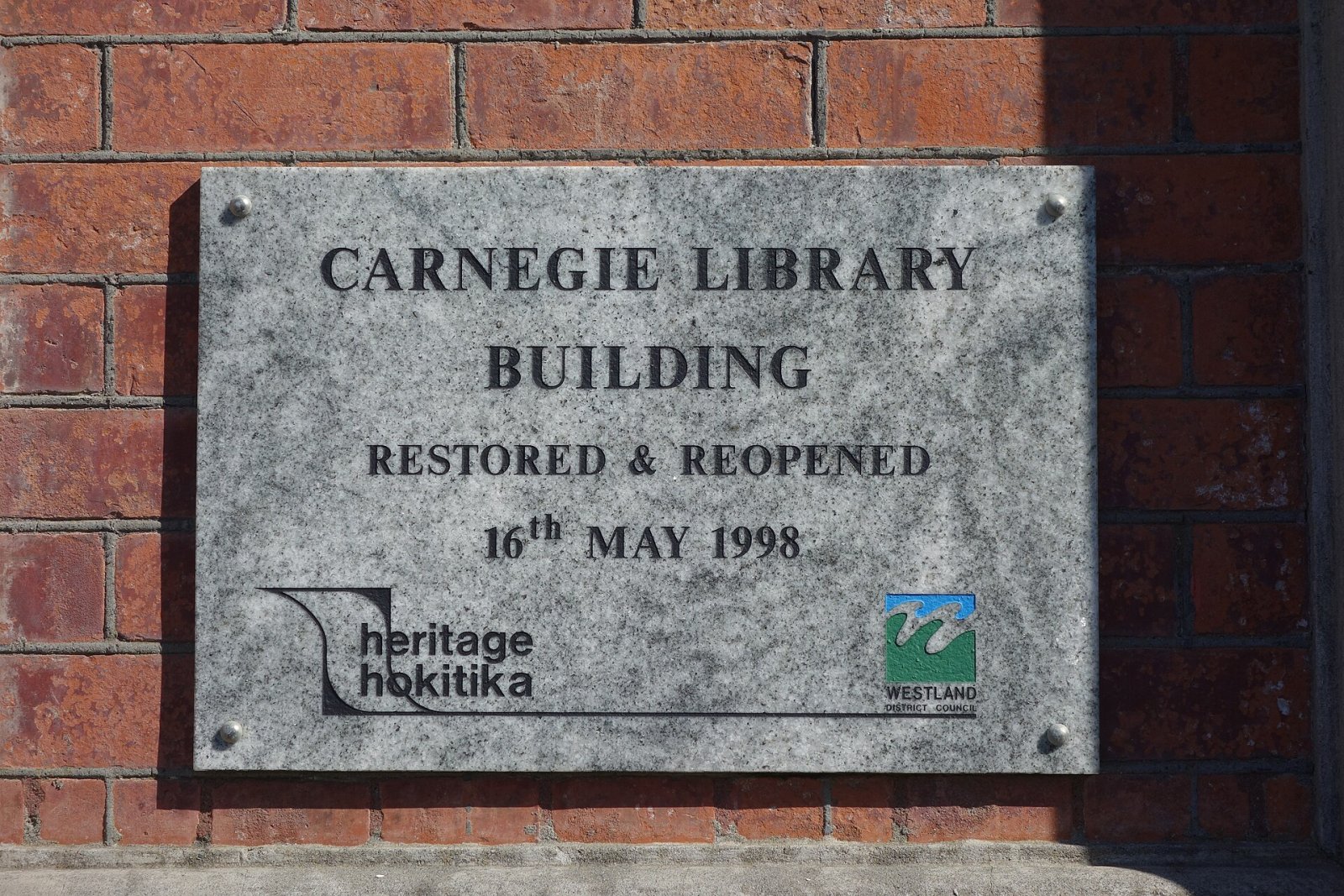

Located in the picturesque town of Hokitika on New Zealand's South Island, the Hokitika Museum is a cultural and historical treasure. This museum, the largest on the West Coast, is housed within the iconic Carnegie Library building, a place that exudes history and character. Founded in 1869 during the gold rush, the museum offers a unique overview of the life and traditions of the region, with a particular focus on local minerals and Māori culture.
The history of Hokitika is intrinsically linked to the 19th-century gold rush, an event that led to a rapid increase in population and made it necessary to establish a museum to preserve the collective memory. Today, the museum not only houses historical artifacts but also serves as an archive for the natural and cultural history of the region, making it a must-visit for anyone in the area.
Historical and Cultural Context
The Hokitika Museum was born in response to the demographic explosion that occurred in the town due to the gold rush. Initially, the museum occupied two rooms within the Hokitika Town Hall, and from 1900, it was directed by an honorary curator, Dr. Herbert Macandrew. The growth of the museum has been steady, and in 1960, a new dedicated site, the "Hokitika Pioneer Museum," was inaugurated, which has continued to expand its collection over the years.
The history of the museum reflects the history of Hokitika itself, a place where the mining past intertwines with Māori culture, particularly through the display of pounamu, or jade, considered sacred and precious by these peoples. The museum's exhibitions offer a unique opportunity to explore these cultural and historical ties, allowing visitors to better understand the identity of the region.


