


In the heart of Kahawatta, a small town in Sri Lanka, stands a monument that tells stories of a rich and fascinating past: the Clock Tower. This structure, emblematic of the passage of time, is a landmark for locals and an attraction for visitors curious to learn about the history of this region. The Tower, with its distinctive design, is not just a clock, but a symbol of the culture and community of Kahawatta.
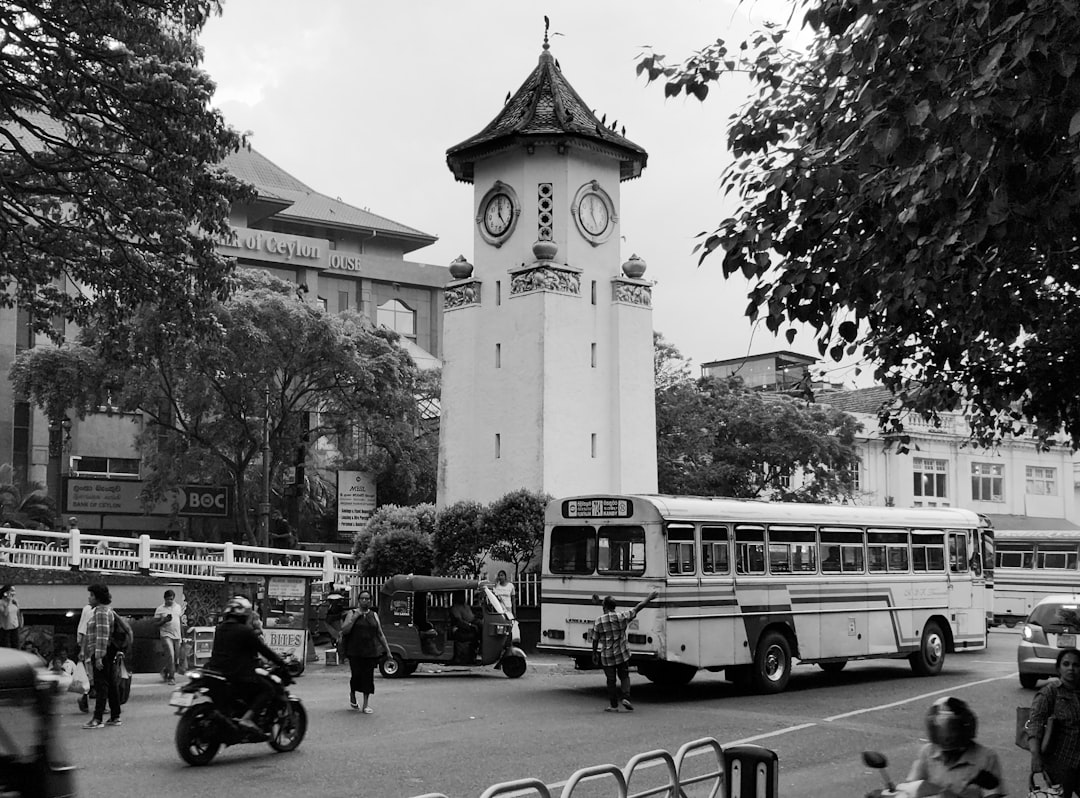
The Clock Tower is strategically located, easily accessible and visible from various angles. Its presence invites travelers to stop and reflect on the history and daily life of the inhabitants. This place is not just a transit point, but an invitation to discover the traditions and stories that intertwine around it.
History and Origins

The Clock Tower of Kahawatta represents an important historical testimony of the area, although specific details about its construction and origins remain poorly documented. However, its presence suggests a deep connection with the local community, which has seen in the Tower a symbol of unity and continuity over time. The structure has withstood the years, witnessing the passage of generations and the transformations of the social and cultural landscape of Kahawatta.
The Tower has been, and continues to be, a landmark for the citizens. Its function as a clock is not only practical; it also represents a link to the traditions of the past, when time was marked by visual signals such as bells ringing at regular intervals, calling the community to gather. This aspect of the Tower helps build a sense of local identity.
Elements to Observe
When visiting the Clock Tower, travelers can notice various architectural elements that make it unique. Its design, while simple, reflects the local aesthetic and harmoniously integrates with the surrounding environment. The decorations and architectural details can tell stories of craftsmanship and artistic traditions that date back to past eras, making each visit an opportunity to appreciate the culture of Sri Lanka.
Moreover, the Tower serves as a meeting point for the community. During festivals and local events, the surrounding area comes alive, and the Tower becomes the focal point of social life. Observing the interactions among residents can offer a fascinating glimpse into daily life in Kahawatta, an opportunity to immerse oneself in the local culture.
Why It Is Interesting Today
Today, the Clock Tower is not only a historical monument but also a symbol of resilience and continuity for the community of Kahawatta. In a rapidly changing world, the Tower represents an anchor to the past, a place where people can gather and reflect on their identity. This makes a visit to the Tower a meaningful experience for anyone wishing to better understand the culture and history of Sri Lanka.
Additionally, the Tower is an excellent starting point for exploring the rest of the city and its attractions. Its central location allows easy access to local markets and other points of interest. Visiting the Clock Tower offers a combination of historical exploration and cultural interaction, making each visit a memorable experience.
Practical Information for Visitors
For those wishing to visit the Clock Tower, it is advisable to plan the visit during daylight hours, when natural light highlights the architectural details of the structure. The surrounding area is easily walkable, allowing for the discovery of other local attractions. Don't forget to bring a camera, as the Tower offers numerous photographic opportunities, especially during sunset.
Furthermore, interacting with residents can further enrich the experience. The community of Kahawatta is welcoming and eager to share stories and traditions with visitors. For a more detailed guide and to discover additional interesting places, the Secret World app can be a useful ally during your trip.


