
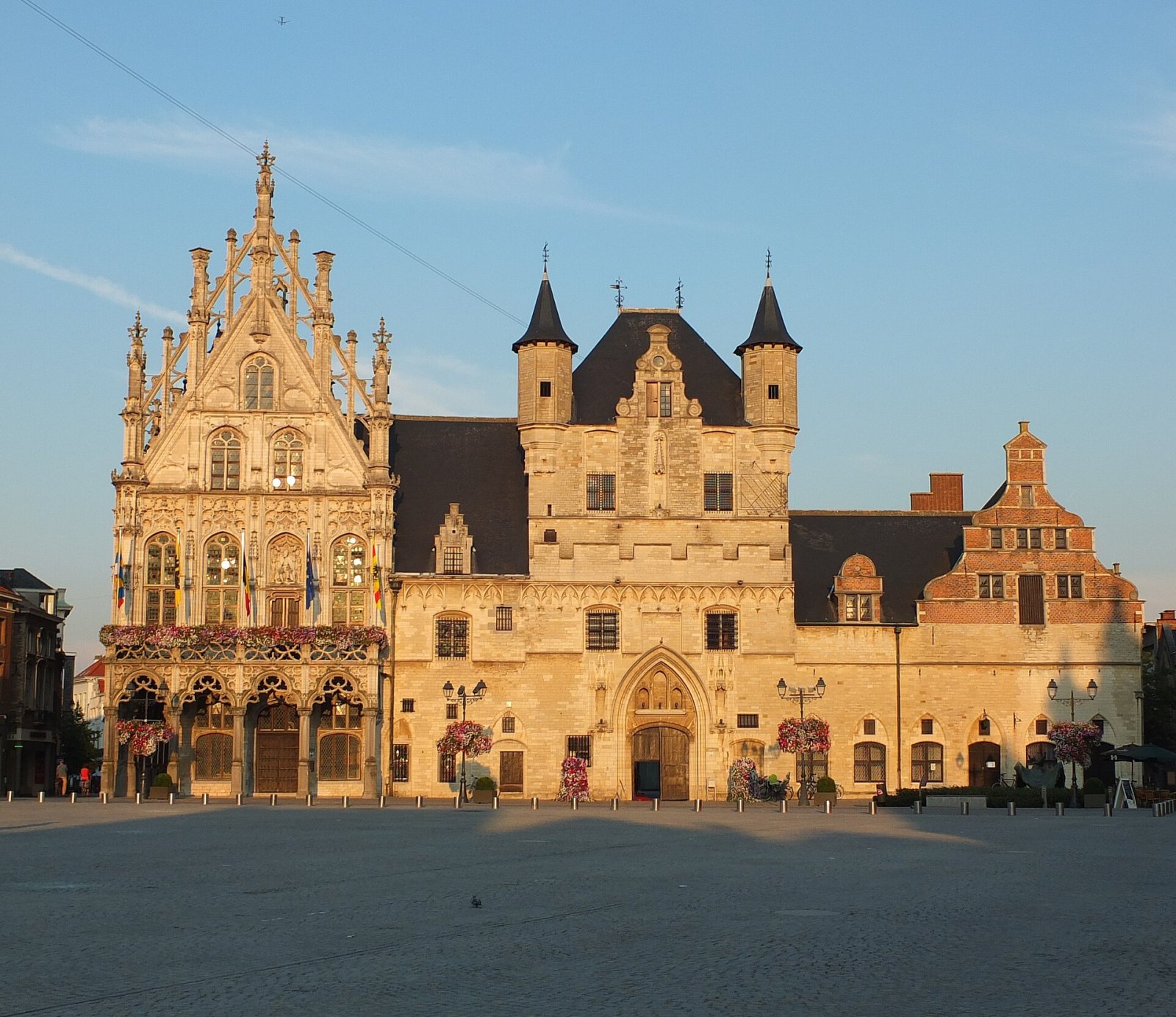

Mechelen, located in the heart of Flanders, is a city that captivates with its rich history and vibrant mix of tradition and modernity. Known for its famous carillon school, Mechelen is a place where the past intertwines with the present, making it a must-visit destination for those looking to explore Belgian culture. Strolling through its streets, one can admire historic buildings that tell centuries of history, while modern shops offer a taste of contemporary trends.
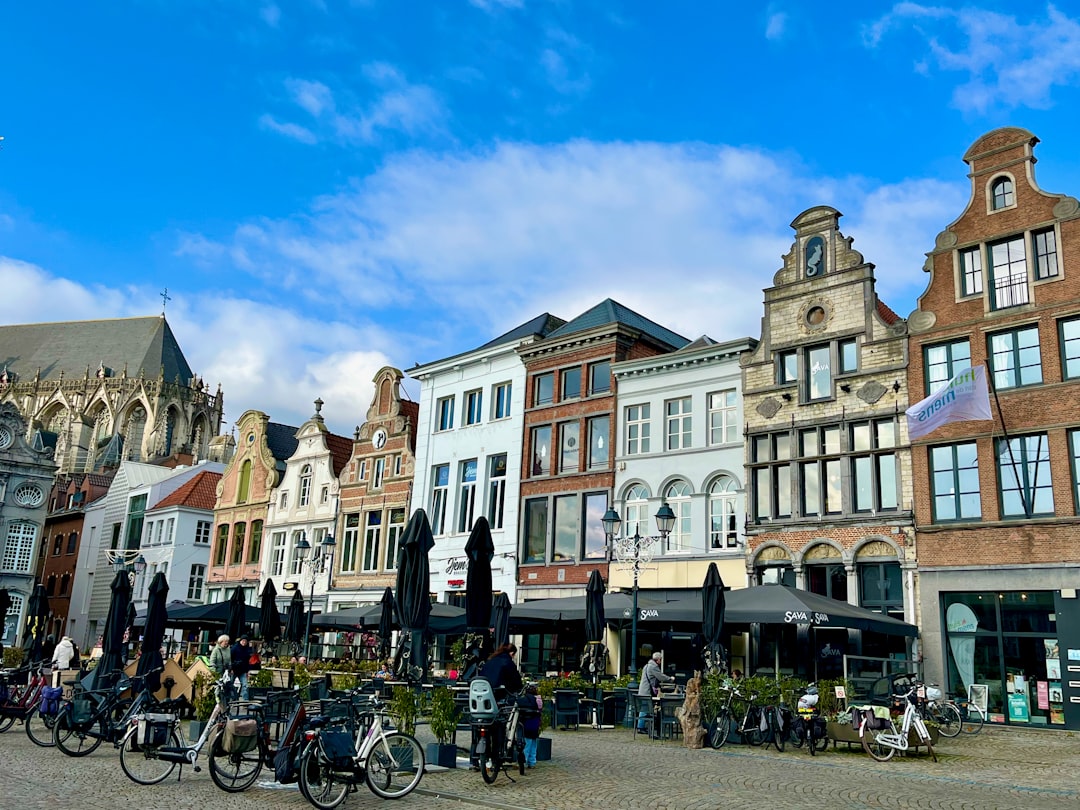
The city overlooks the Dyle River, which has played a crucial role in its development. Mechelen is characterized by a lively atmosphere that attracts visitors from all over the world, making it a landmark for art, music, and gastronomy. In this article, we will explore the historical roots of Mechelen, its most significant architectural elements, and its relevance in today's cultural landscape.
History and Origins
Mechelen boasts a rich and fascinating history, dating back to times when it was an important commercial and cultural center of Flanders. The city has witnessed the emergence of significant historical events, including its role as the capital of the Southern Netherlands in the 15th century. Its strategic location along the Dyle River has fostered trade and craftsmanship, contributing to the economic growth of the region.
Traces of the past are visible in every corner of the city, from the majestic Flemish-style buildings to the historical monuments that tell the stories of bygone eras. The presence of the carillon school, which attracts students from all over the globe, underscores the importance of Mechelen as a musical and cultural center, keeping ancient traditions alive.


