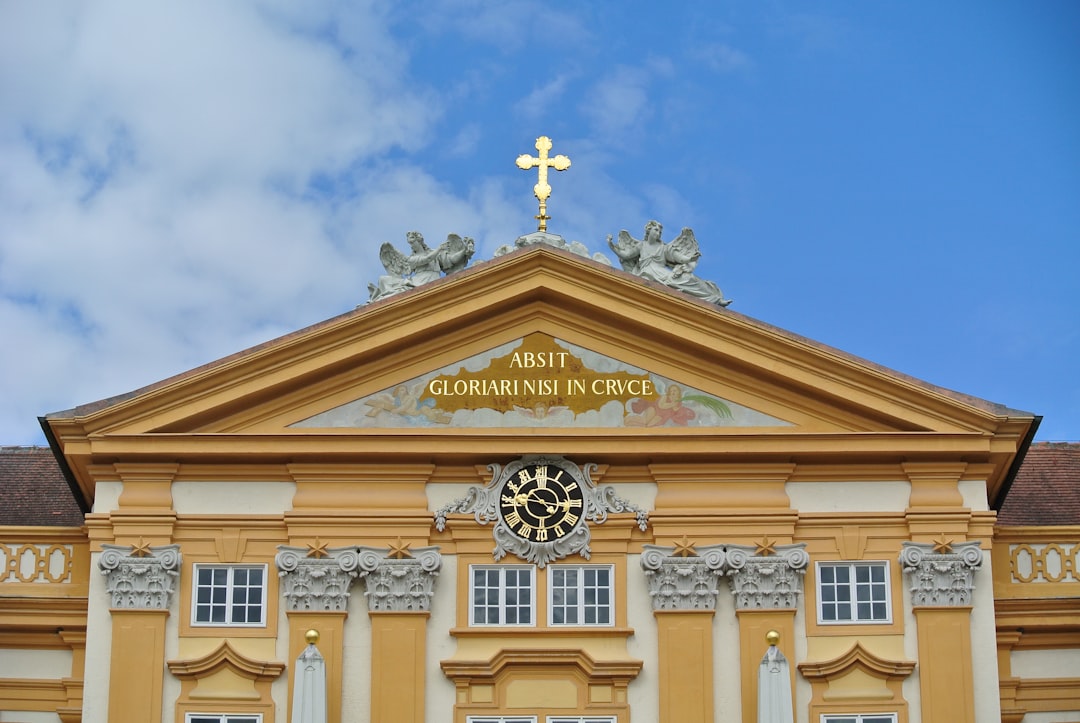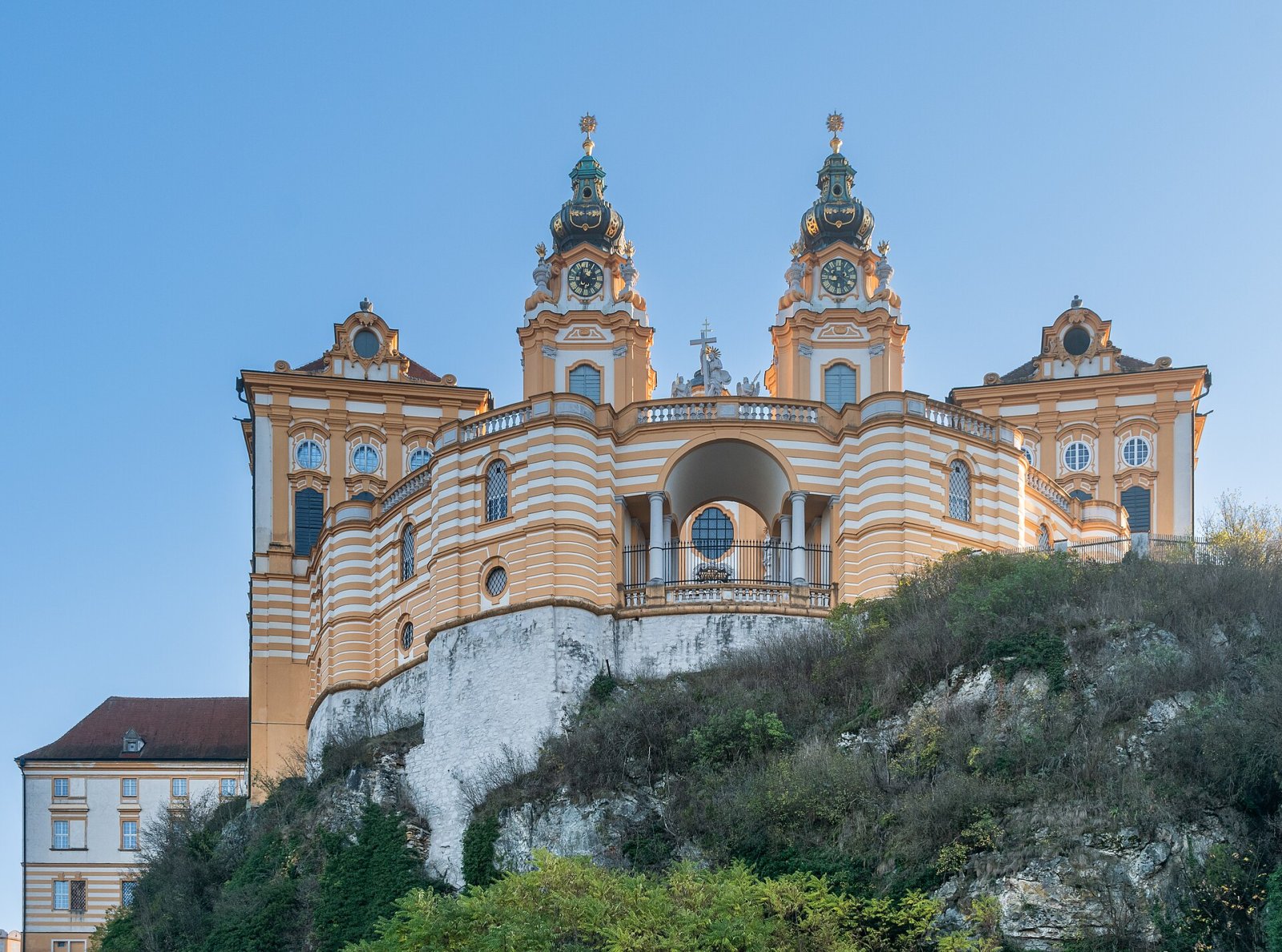

In the heart of Lower Austria, along the banks of the majestic Danube, lies the town of Melk, a charming settlement that houses one of the most picturesque monasteries in Europe: Melk Abbey. This extraordinary Baroque building is not only a place of worship but a true symbol of Austrian history. Its panoramic location overlooking the river and the Wachau valley makes it a must-see attraction for anyone visiting the region.
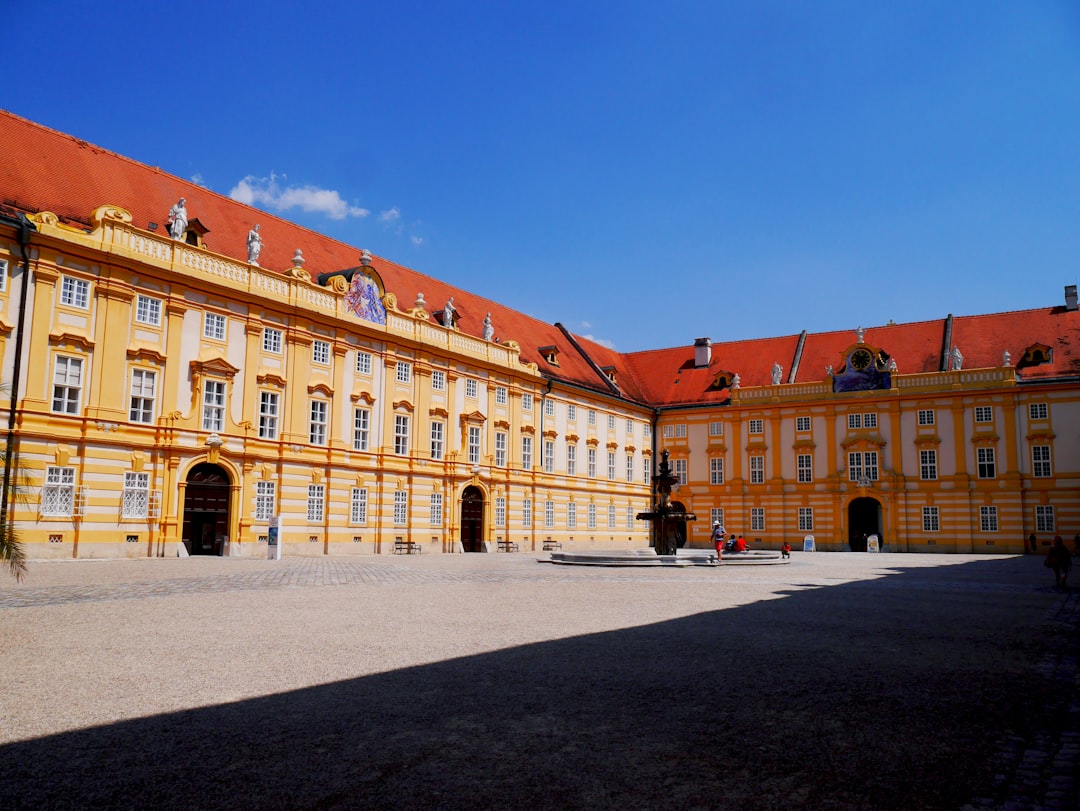
Melk, with a population of about 5,000 inhabitants, represents the western terminus of the Wachau, one of the country's most famous wine regions. The Abbey, with its imposing towers and rich interior decoration, is the result of centuries of history and culture, and has also been the set for important films, including the famous "Sissi – Fateful Years of an Empress." This connection with cinema and the Austrian royals makes Melk Abbey even more fascinating.
History and Origins
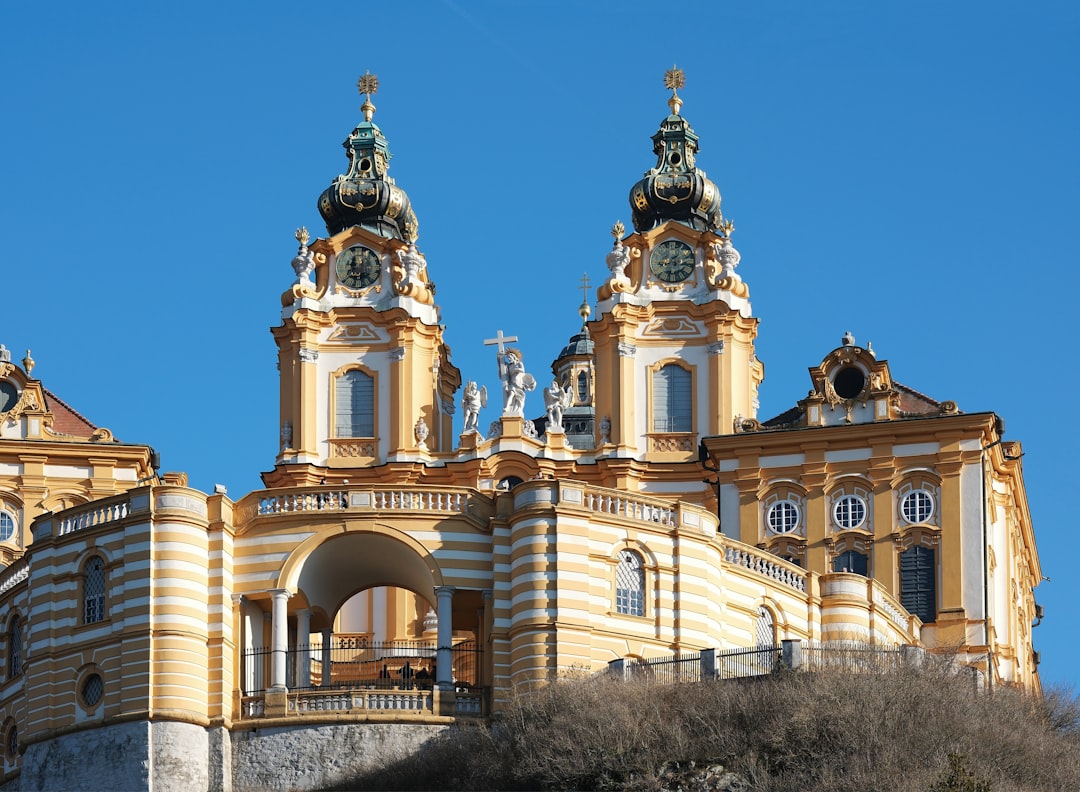
Melk Abbey has ancient roots, dating back to the 9th century when it was founded as a Benedictine monastery. Over the centuries, the building has undergone numerous renovations and expansions, culminating in the 18th century with the Baroque restructuring that gave rise to the imposing facade we can admire today. Melk Abbey has been an important center of study and culture, contributing to the spread of knowledge and spirituality in the region.
Its history is intrinsically linked to that of the Austro-Hungarian Empire, and the monastery played a significant role in the political and social life of the time. The abbey is not just an architectural monument, but a witness to historical events that have shaped the Austrian nation, making it a place of great cultural and historical importance.