
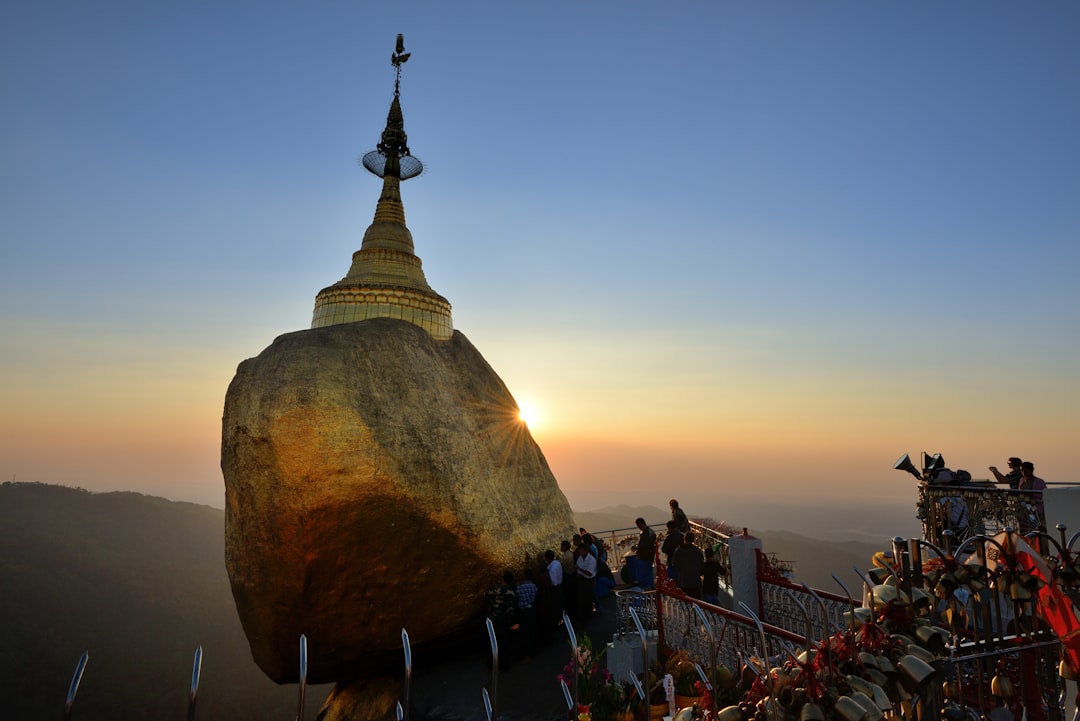

Mount Saramati, standing majestically at 3,826 meters high, rises at the border between India and Myanmar, representing not only a geographical landmark but also a symbol of natural beauty and adventure. Located in the Kiphire district of the Indian state of Nagaland and in the Naga autonomous zone of Myanmar, this peak is one of the most prominent in Southeast Asia, attracting hikers and nature lovers from all over the world.
Its strategic location and impressive elevation make it a unique place where Indian and Burmese cultures intertwine in an embrace of traditions and breathtaking landscapes. Saramati, with its unspoiled beauty and challenges for hikers, is an ideal destination for those seeking an authentic and immersive experience in nature.
Why it's worth the trip
Visiting Mount Saramati is not just an opportunity to climb one of the highest peaks in the region, but also a way to immerse oneself in a rich and diverse ecosystem. The mountain is surrounded by extraordinary flora and fauna, many of which are endemic to the area. Hikers can venture through trails that offer breathtaking views and the chance to discover local wildlife, making every step a unique experience.
Moreover, Saramati represents an important cultural frontier. The area is inhabited by various Naga communities, each with its own traditions and practices. Interacting with locals and learning their stories further enriches the journey, offering an experience that goes beyond the mere physical exploration of the mountain.
Landscape and atmosphere
The landscape surrounding Mount Saramati is characterized by wild and unspoiled beauty. The surrounding peaks, lush forests, and crystal-clear streams create an ideal environment for nature lovers. The mountain itself is often shrouded in a light mist, adding a touch of mystery and magic to the scenery. The feeling of isolation and tranquility experienced here is indescribable, making Saramati a perfect refuge for those seeking peace and introspection.
During the ascent, hikers can enjoy a wide range of microclimates and landscapes, from tropical forests to alpine meadows. Every corner offers a spectacular view, with sunsets painting the sky in vibrant colors and sunrises illuminating the surrounding peaks. The atmosphere is that of a sacred place, where nature reigns supreme and invites deep reflection.
What to see and do
In addition to climbing Mount Saramati, there are many other activities to do in the area. Hikers can explore less-trodden paths, discovering hidden corners and incredible views. It is also possible to participate in guided tours to learn more about the local flora and fauna, with experts sharing their knowledge and passion for nature.
Not far from the mountain, visitors can explore Naga villages, where they can observe local traditions, craftsmanship, and typical cuisine. This interaction with the local community enriches the travel experience, allowing for a better understanding of the culture and daily life of these extraordinary people.
Practical information for visitors
To reach Mount Saramati, visitors must first arrive at the village of Thanamir, which serves as a base for excursions. It is advisable to plan the trip in advance, taking into account weather conditions and the necessary equipment for the hike. The best time to visit is generally from October to March, when the weather is more favorable.
It is important to respect nature and local communities during the visit, following trekking guidelines and behaving responsibly. For more information and tips on how to plan the trip, one can consult the Secret World app, a useful resource for every adventurous traveler.


