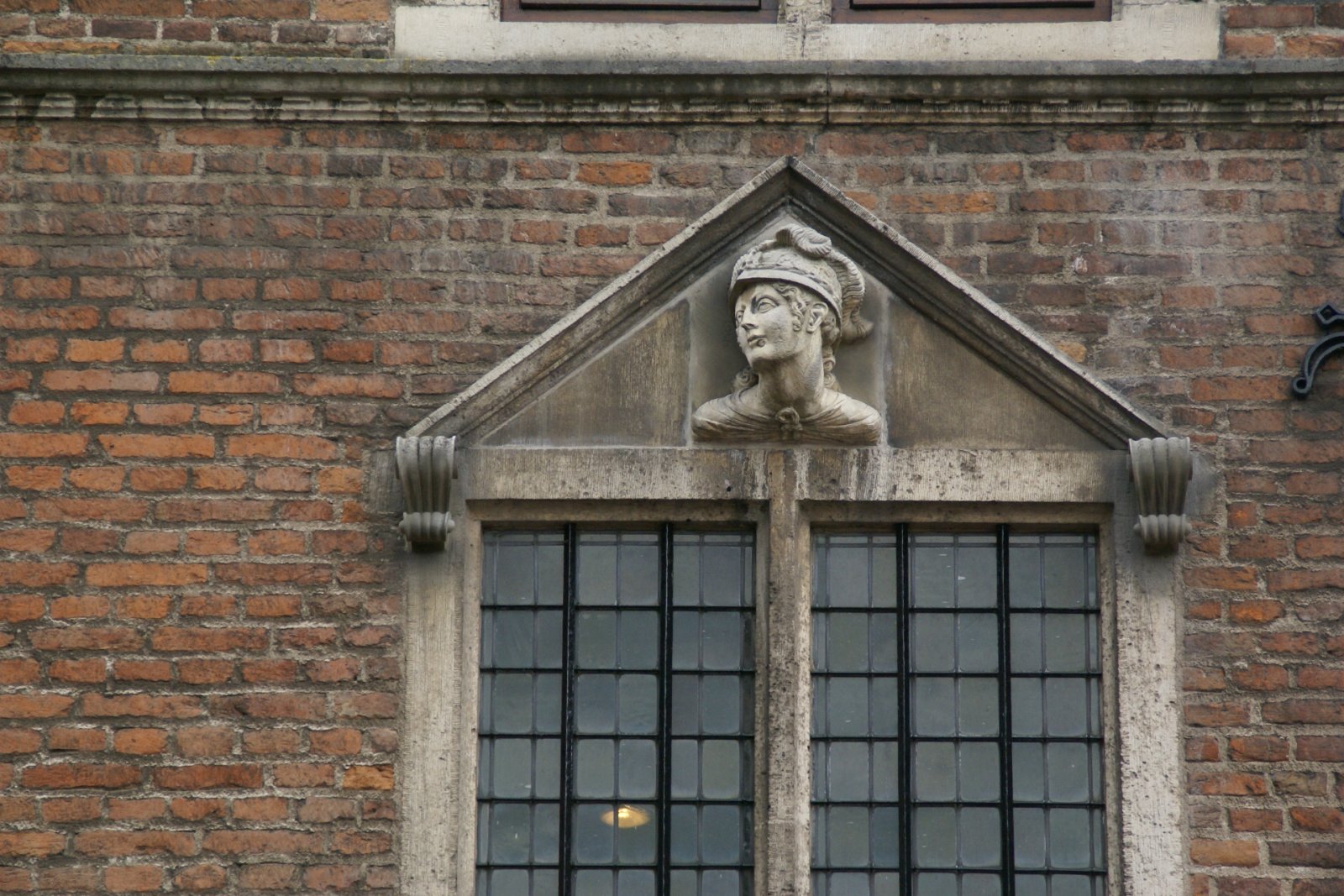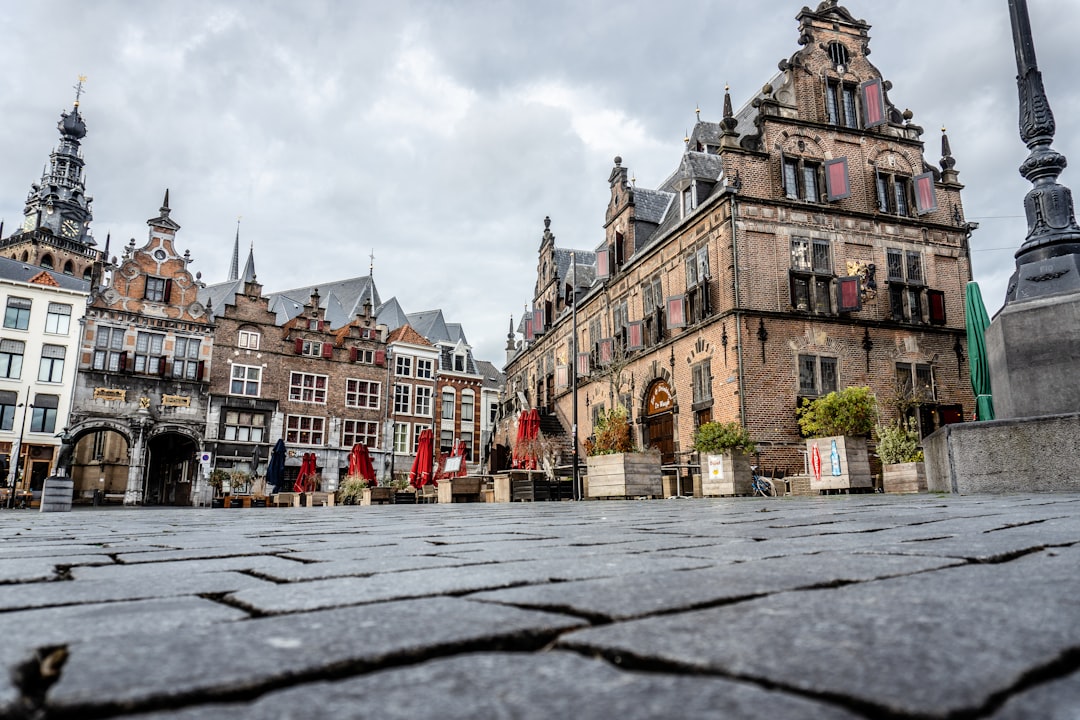

Nijmegen, located in the Dutch province of Gelderland, is a city that captivates with its rich history and cultural heritage. Considered the oldest city in the Netherlands, Nijmegen has roots that date back to Roman times when it was already an important settlement. Today, this historic location is a landmark for history and culture lovers, as well as for those who wish to immerse themselves in a vibrant and welcoming atmosphere.
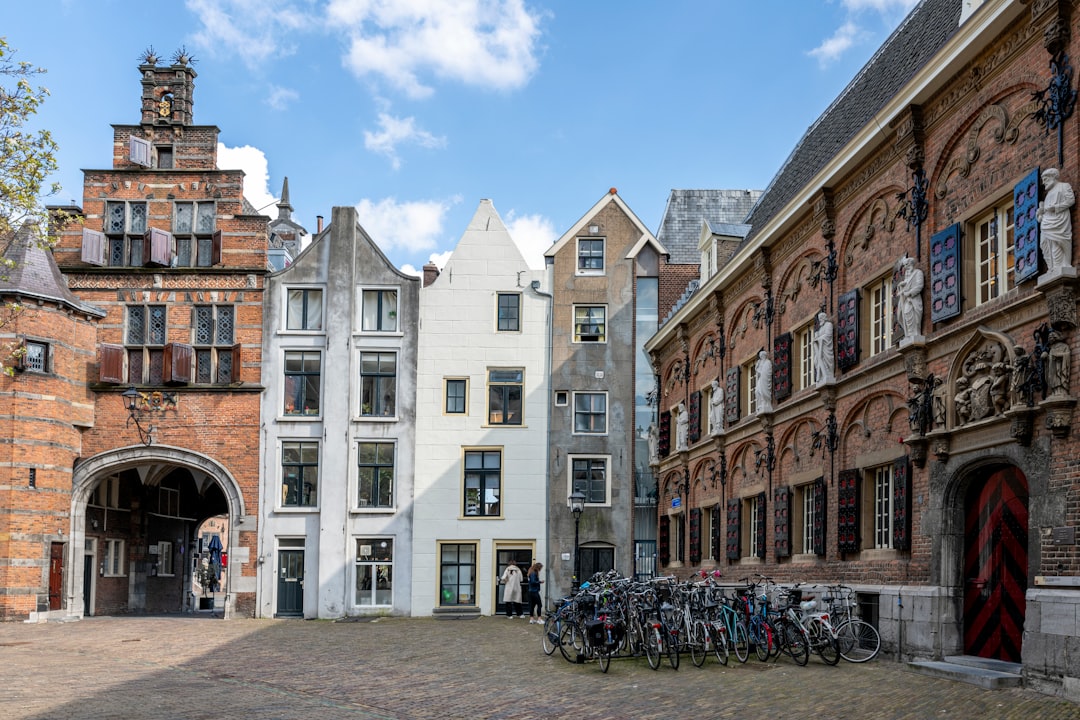
The city overlooks the Waal River, just a few kilometers from the German border, making it a crossroads of cultures and traditions. With a population of about 187,000 inhabitants, Nijmegen is also an important university center, thanks to the presence of Radboud University, which contributes to making the city dynamic and youthful.
History and Origins
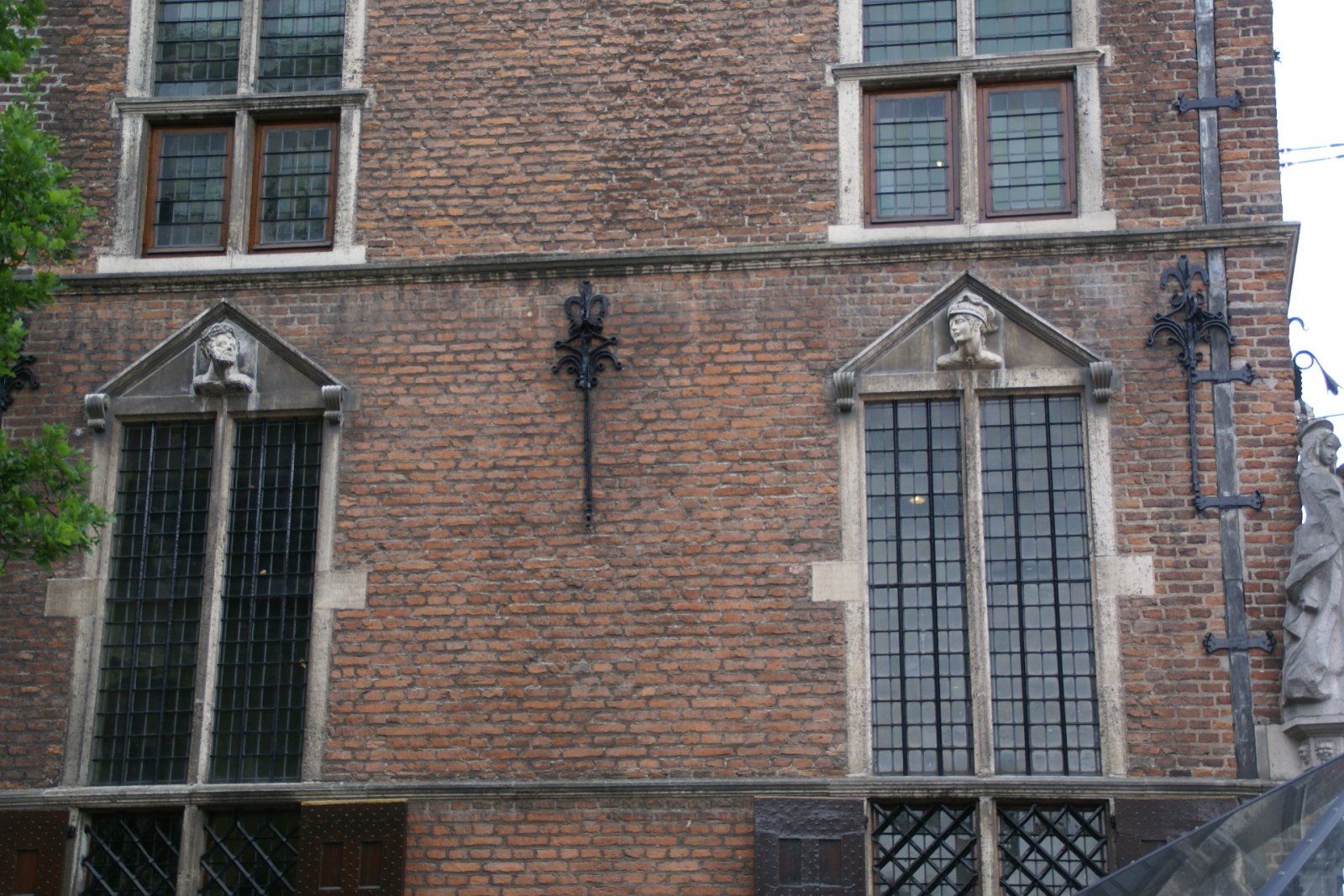
Nijmegen boasts a history that spans over 2000 years. In 1230, the city was granted the title of free imperial city, a recognition that highlighted its economic and political importance. In 1402, Nijmegen became part of the Hanseatic League, a trade alliance that promoted commerce and the development of the city. These historical events have shaped Nijmegen's identity, making it a place of cultural and commercial exchange.
Over the centuries, Nijmegen has seen numerous changes and developments. Its strategic location near the German border has made the city a landmark for travelers and merchants. Today, walking through its streets, one can sense the echo of a past rich in events, with historic buildings that tell stories of a distant era.