
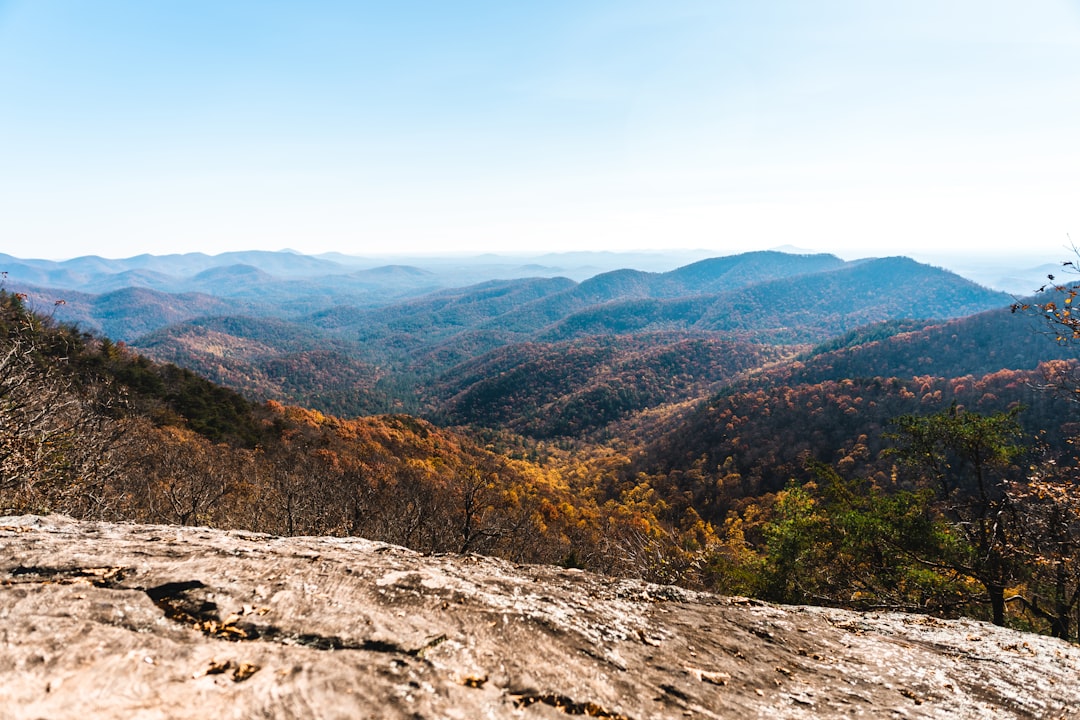

In the heart of the United States, the Appalachian National Scenic Trail stretches for over 3,500 kilometers, crossing some of the most fascinating and diverse landscapes in America. This iconic trail, simply known as the Appalachian Trail (AT), is a true paradise for nature lovers, hikers, and adventurers. From lush forests to alpine peaks, every step along this path is an invitation to discover the untamed beauty of nature.

Inaugurated in 1937, the trail extends from Mount Katahdin in Maine to Springer Mountain in Georgia. Every year, thousands of hikers take on this adventure, which can take from six months to a year to complete. But even day hikes offer the opportunity to immerse oneself in a unique environment and discover the richness of flora and fauna that populate these territories.
A Journey through the Diversity of Landscapes

The Appalachian Trail winds through twelve states, each with its own geological and environmental characteristics. From the dense coniferous forests of Maine to the gentle hills of Virginia, the landscapes change continuously, offering hikers a variety of experiences. Along the way, one encounters breathtaking views, such as the famous McAfee Knob, an icon of the trail, which provides a spectacular view of the valley below.
The different sections of the trail also offer opportunities to explore wildlife. In the Appalachian region, it is possible to spot black bears, deer, foxes, and a wide range of birds. Every step is accompanied by natural sounds: the rustling of leaves, the chirping of birds, and the sound of flowing streams, creating a perfect soundtrack for every hike.

A Shelter for Hikers
One of the distinctive features of the Appalachian Trail is its community of hikers. Along the route, shelters and campsites arise that offer a warm welcome to travelers. These resting places are often animated by stories of adventures, chance encounters, and bonds that form between hikers from all over the world. The culture of trekking on the AT is characterized by sharing, solidarity, and a common passion for nature.

In addition to the shelters, there are numerous strategically located supply points in nearby villages, where trekkers can stock up on food and supplies. These stops are not only practical but also an opportunity to interact with locals and learn about the history of the communities that populate the region.
The Conservation and Future of the Appalachian Trail

The path of the Appalachian Trail is an example of how nature conservation can coexist with land enjoyment. Maintainers and volunteers work tirelessly to preserve the beauty of the trail, ensuring that it remains accessible for future generations. The Appalachian Trail Conservancy, founded in 1925, plays a fundamental role in protecting this natural heritage, managing restoration projects and environmental awareness.
Visiting it means not only enjoying breathtaking beauty but also contributing to its preservation. Every hiker has the responsibility to follow the Leave No Trace rules, respecting nature and minimizing environmental impact. In this way, the Appalachian Trail will continue to be a refuge for nature lovers and a symbol of adventure.
Conclusions: An Unforgettable Adventure
Whether it's a day hike or a long trek, the Appalachian National Scenic Trail offers unique and unforgettable experiences. With landscapes ranging from enchanted forests to panoramic peaks, the trail is an invitation to explore and reconnect with nature. Every step along the trail tells a story and provides an opportunity to discover not only the beauty of the natural world but also a piece of oneself.
It doesn't matter if you are an experienced hiker or a beginner, the Appalachian Trail has something to offer everyone. Pack your backpack, lace up your boots, and set off on an adventure that will stay with you for a lifetime.


