
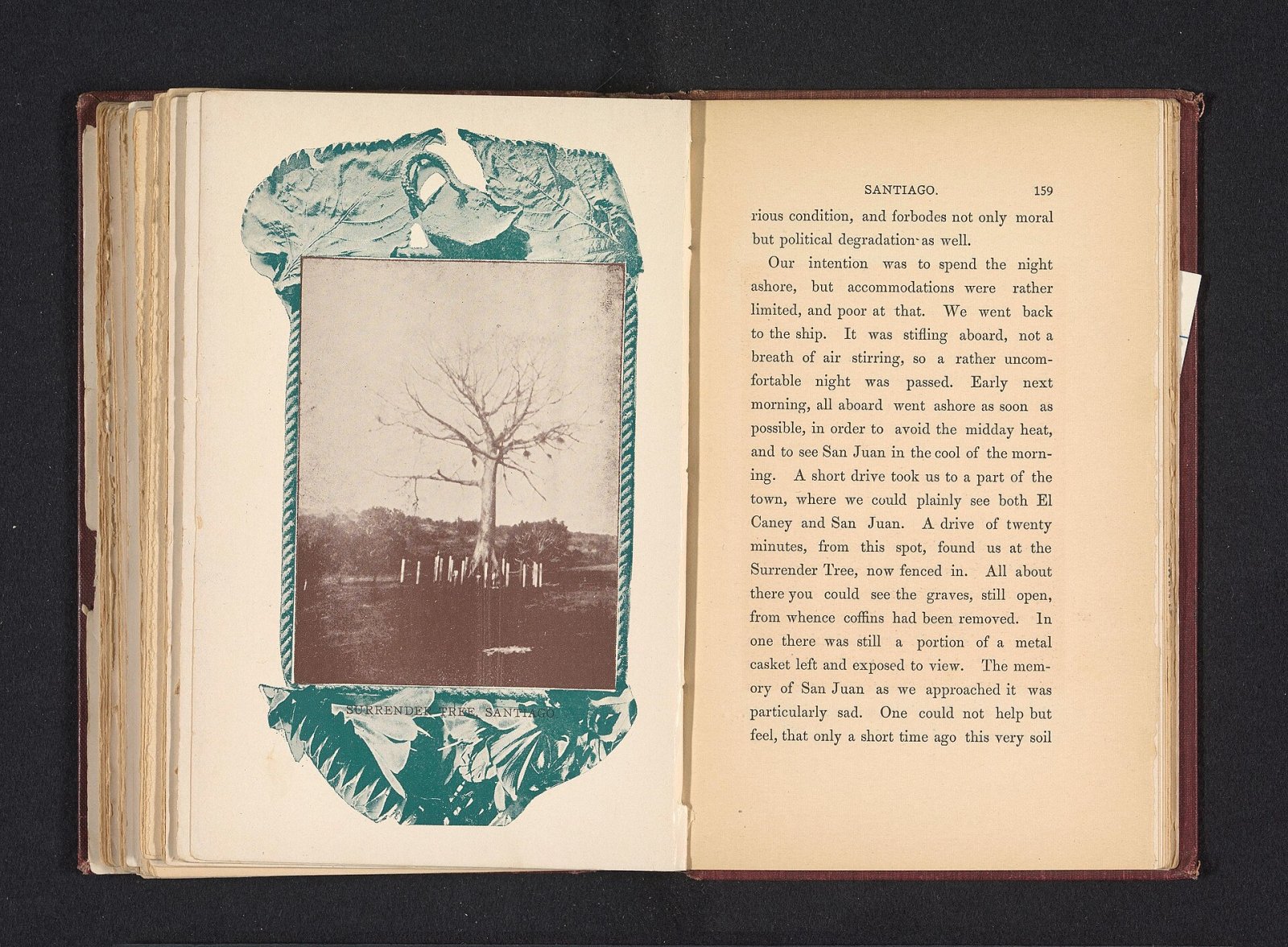

In the heart of Santiago de Cuba stands the site known as Árbol de la Paz, or tree of peace, a place steeped in history and significance. This tree, unfortunately gone, represents the point where Spanish forces surrendered to American forces on July 17, 1898, marking the end of the Spanish-American War. Although the ceiba that once dominated the landscape no longer exists, the site continues to hold historical and cultural importance, witnessing a crucial chapter of Cuban history.
The location is situated in Santiago, one of the most historic and vibrant cities in Cuba. The tree had witnessed significant events, including prisoner exchanges and battles that determined the island's fate. Today, the site is marked by cannons and commemorative plaques, honoring the sacrifice and courage of the fighters of that time.
History and Origins
The Árbol de la Paz is associated with decisive moments in the history of Cuba and the United States. Its importance extends beyond the mere physical presence of the tree; it symbolizes the transition of power and the end of a bloody conflict. On July 1, 1898, U.S. and Cuban forces captured strategic fortifications, such as Fort El Viso and San Juan Hill, leading to a series of victories that culminated in the surrender of Spanish forces in Santiago. This event not only marked the end of the war but also the beginning of a new era for Cuba, under the influence of the United States.
The ceiba, the tree that once stood majestically, was already a symbol of peace and exchange between the conflicting factions. Its strategic position made it a meeting place, where negotiations and exchanges took place, thus representing a beacon of hope in a dark time. Even though its trunk is no longer visible, its spirit persists, evoking reflections on peace and reconciliation.
Elements to Observe
Visiting the site of the Árbol de la Paz, visitors can admire the remnants of the fortifications and the cannons that once defended the city. These historical elements provide a direct glimpse into the military life of the time and the strategies used during the conflict. Informative plaques, carefully arranged, tell the story of the site and its significance, allowing visitors to immerse themselves in the historical narrative of Santiago.
Moreover, the natural context surrounding the site adds an additional layer of beauty. Although the tree is no longer present, the surrounding vegetation and Caribbean landscape create a serene atmosphere, inviting reflection. Visitors can stroll along the site, contemplating the history that has shaped not only Santiago but all of Cuba.
Why It Is Interesting Today
Today, the Árbol de la Paz represents an important attraction for those wishing to understand the complexity of Cuban history and its interactions with the United States. Its presence continues to stimulate discussions about war, peace, and collective memory. In a world where conflicts continue to influence international relations, the site serves as a reminder of the importance of diplomacy and the peaceful resolution of disputes.
Additionally, its location in Santiago, a city known for its rich culture and traditions, makes a visit to the Árbol de la Paz part of a broader experience. Tourists can explore the city, discovering Cuban music, art, and gastronomy, offering a unique opportunity to connect with the past and present of the island.
Practical Information for Visitors
For those wishing to visit the Árbol de la Paz, it is advisable to plan the visit in advance, as the site is not always easily accessible. It can be reached by public transport or taxi, and it is recommended to inquire about local conditions and opening hours. The presence of local guides can enrich the experience, providing historical and cultural insights that are not found in written materials.
Finally, it is important to remember to respect the site and its history, maintaining appropriate behavior during the visit. The Árbol de la Paz is not just a point of interest, but a place of memory and reflection. For those wishing to further explore the wonders of Santiago and its surroundings, the Secret World app offers a valuable guide to discovering hidden places and fascinating stories.


