
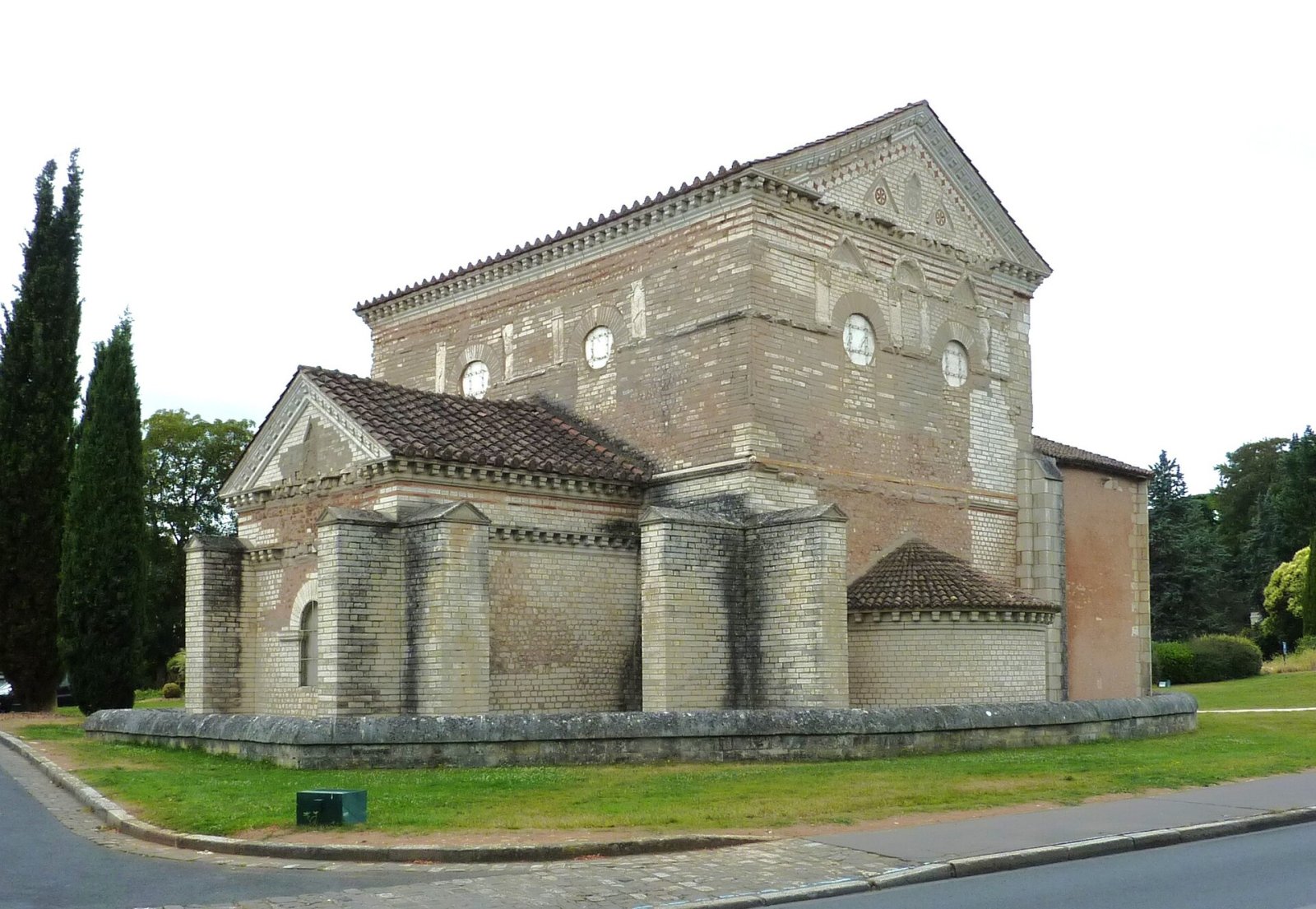

In the heart of Poitiers, one of the most charming cities in the Nouvelle-Aquitaine region of France, stands the Baptistère Saint-Jean, a place of great historical and architectural significance. This baptistery, considered one of the oldest in Europe, offers visitors a unique opportunity to immerse themselves in the history of Christianity and French culture. Its strategic location in the city makes it an unmissable landmark for anyone wishing to explore the historical roots of the region.

Built at a time when Christianity was gaining ground in Europe, the Baptistère Saint-Jean represents an extraordinary example of early Christian architecture. The structure, with its sober and austere style, reflects the essence of spirituality of that time, making it a place for contemplation and reflection. Every corner of this baptistery tells stories of faith and tradition, taking visitors on a journey through the centuries.
History and Origins
The Baptistère Saint-Jean in Poitiers dates back to the 4th century and was built at a time when the spread of Christianity in Europe was still in its infancy. Its construction was a significant step in the religious history of France, as it represented a place dedicated to baptism, a fundamental rite for new believers. The structure has witnessed countless historical and spiritual events, serving as a landmark for the local Christian community over the centuries.
Throughout its existence, the baptistery has undergone numerous restorations and modifications, but it has retained its original essence. Its importance has been recognized over time, so much so that it has been included among the historical monuments of France. Today, the Baptistère is not only a place of worship but also a living testimony of the history and culture of the region, attracting visitors from all over the world.
Elements to Observe
Inside the Baptistère Saint-Jean, visitors can admire a series of architecturally significant elements. Among these, the columns and arches that support the structure are of particular interest, as they showcase the influence of the construction techniques of the time. The natural light filtering through the openings creates a suggestive atmosphere, making the visiting experience even more engaging.
Another aspect not to be missed is the baptismal font, located at the center of the baptistery. This octagonal font is a powerful symbol of baptism and spiritual rebirth. Its presence within the baptistery represents a direct link to ancient Christian traditions, making the place a landmark not only for history but also for contemporary spirituality.
Why It Is Interesting Today
Today, the Baptistère Saint-Jean is not only a historical monument but also a place for reflection and interfaith dialogue. Its importance transcends mere architectural aspects, becoming a symbol of unity and understanding among different faiths. In a world where religious divisions are often at the center of debate, the baptistery offers a space for contemplation and encounter, inviting visitors to reflect on the meaning of faith and community.
Moreover, the location of the Baptistère within the context of Poitiers, a city rich in history and culture, makes it an ideal starting point for further exploration of the region. The cultural and religious events that take place here attract a diverse audience, making the baptistery a lively and dynamic place where history intertwines with contemporary life.
Practical Information for Visitors
For those wishing to visit the Baptistère Saint-Jean, it is advisable to check the opening hours, as they may vary depending on the season and ongoing events. Admission is generally free, but donations may be requested for the maintenance of the site. It is also recommended to respect the behavioral norms within the place of worship to ensure a respectful and meaningful experience.
Finally, for a more in-depth and enriching visit, one might consider using apps like Secret World, which offer detailed information and fascinating stories about places like the Baptistère, allowing visitors to fully appreciate the beauty and complexity of this extraordinary structure.


