
← Back

Discover The Bush Markers: A Cultural Treasure of New Zealand

2 Huia Road, Titirangi, Auckland 0604, New Zealand ★★★★☆ 0 views
Rania Nadal
Auckland
🏆 AI Trip Planner 2026

Get the free app

Discover the best of Auckland with Secret World — the AI trip planner with 1M+ destinations. Get personalized itineraries, hidden gems and local tips. Free on iOS & Android.

🧠 AI Itineraries 🎒 Trip Toolkit 🎮 KnowWhere Game 🎧 Audio Guides 📹 Videos
Scan to download iOS / Android
Scan for AppGallery Huawei users

About Discover The Bush Markers: A Cultural Treasure of New Zealand

Discover The Bush Markers: A Cultural Treasure of New Zealand - Auckland | Secret World Trip Planner

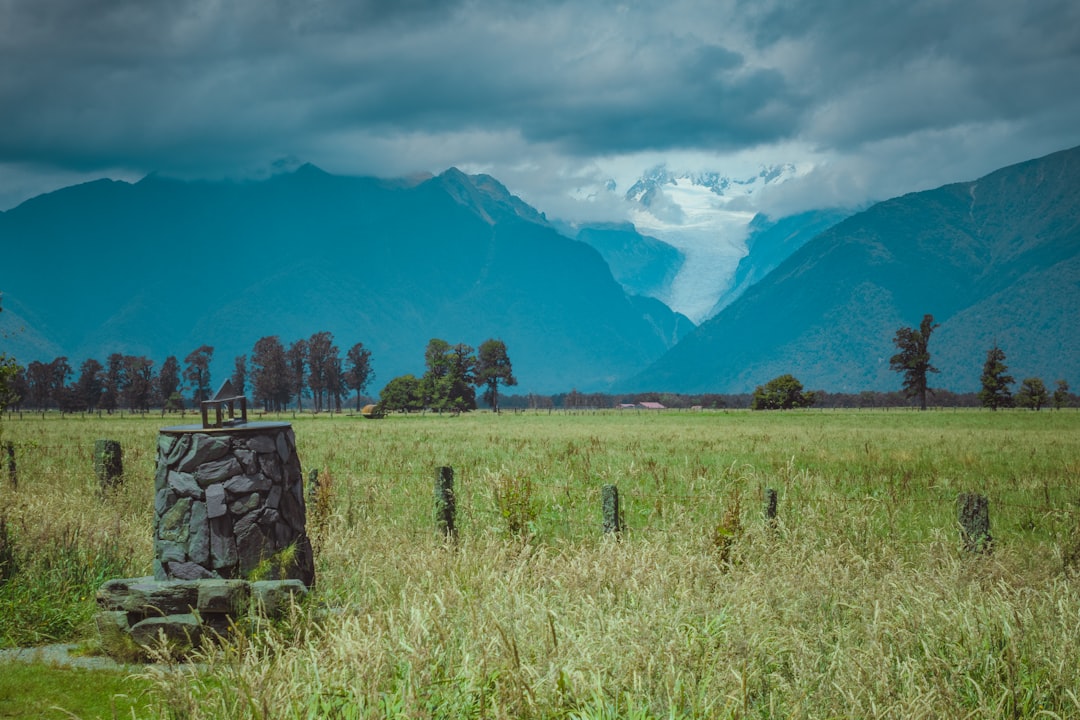
In the heart of Auckland, New Zealand, there is a unique and evocative work of art: The Bush Markers. This sculpture, inaugurated in 1993, is a testament to the rich Maori culture and the deep connection between the inhabitants and the surrounding nature. The Bush Markers is not just a visual landmark, but also a symbol of identity and history for the local community.

Located in a roundabout, the installation is easily accessible and represents a meeting point between contemporary art and ancestral traditions. Visitors can appreciate not only the aesthetic beauty of the work but also the profound meaning it embodies, reflecting the bond between man and his environment.

Historical and Cultural Context

The Bush Markers is a perfect example of how art can serve as a bridge between the past and the present. The sculpture represents significant elements of Maori culture, highlighting the importance of local flora and respect for the land. New Zealand, with its unique history of colonization and cultural integration, provides a rich context for understanding the importance of such works.

In a country where indigenous culture plays a central role, The Bush Markers invites visitors to reflect on the history and traditions that have shaped New Zealand's identity. Every element of the sculpture is laden with meaning, making the place not only a tourist attraction but also a meeting point for the community and a place of learning.

What Stands Out About the Place

🗺 AI Trip Planner 2026

Plan your visit to Auckland

Suggested itinerary near Discover The Bush Markers: A Cultural Treasure of New Zealand

MAJ+
500.000+ travelers worldwide
  1. 🌅
    Morning
    Discover The Bush Markers: A Cultural Treasure of New Zealand
    📍 Auckland
  2. ☀️
    Afternoon
    Discover Parekura Peak: a Gem of New Zealand
    📍 7.4 km · Auckland
  3. 🌆
    Evening
    Auckland Zoo: the largest collection of native animals
    📍 10.1 km · Auckland

Buy Unique Travel Experiences

Powered by Viator

See more on Viator.com

Explore nearby · Auckland

Frequently Asked Questions

The Bush Markers was inaugurated in 1993 and stands as a testament to Maori culture and the deep connection between inhabitants and nature. It serves as both a visual landmark and a symbol of identity and history for the local community, with every element laden with cultural meaning.
The Bush Markers is located in a roundabout in the heart of Auckland, making it easily accessible to visitors. Its prominent position in a roundabout serves as a practical meeting point and ensures the sculpture is simple to find and visit.
The Bush Markers represents significant elements of Maori culture and highlights the importance of local flora and respect for the land in New Zealand's indigenous traditions. In a country where indigenous culture plays a central role, the sculpture serves as a bridge between past and present, inviting reflection on the history and traditions that have shaped New Zealand's identity.
The Bush Markers is much more than a tourist attraction—it functions as a meeting point for the community and a place of learning. The sculpture allows visitors to appreciate both its aesthetic beauty and profound meaning, reflecting the bond between humanity and the environment while serving the local community's cultural needs.
The Bush Markers stands out as a perfect example of how art bridges contemporary artistic expression with ancestral Maori traditions. Its location in a roundabout, combined with its deep cultural symbolism rooted in New Zealand's complex history of colonization and cultural integration, makes it a distinctive work that serves both aesthetic and educational purposes.
