
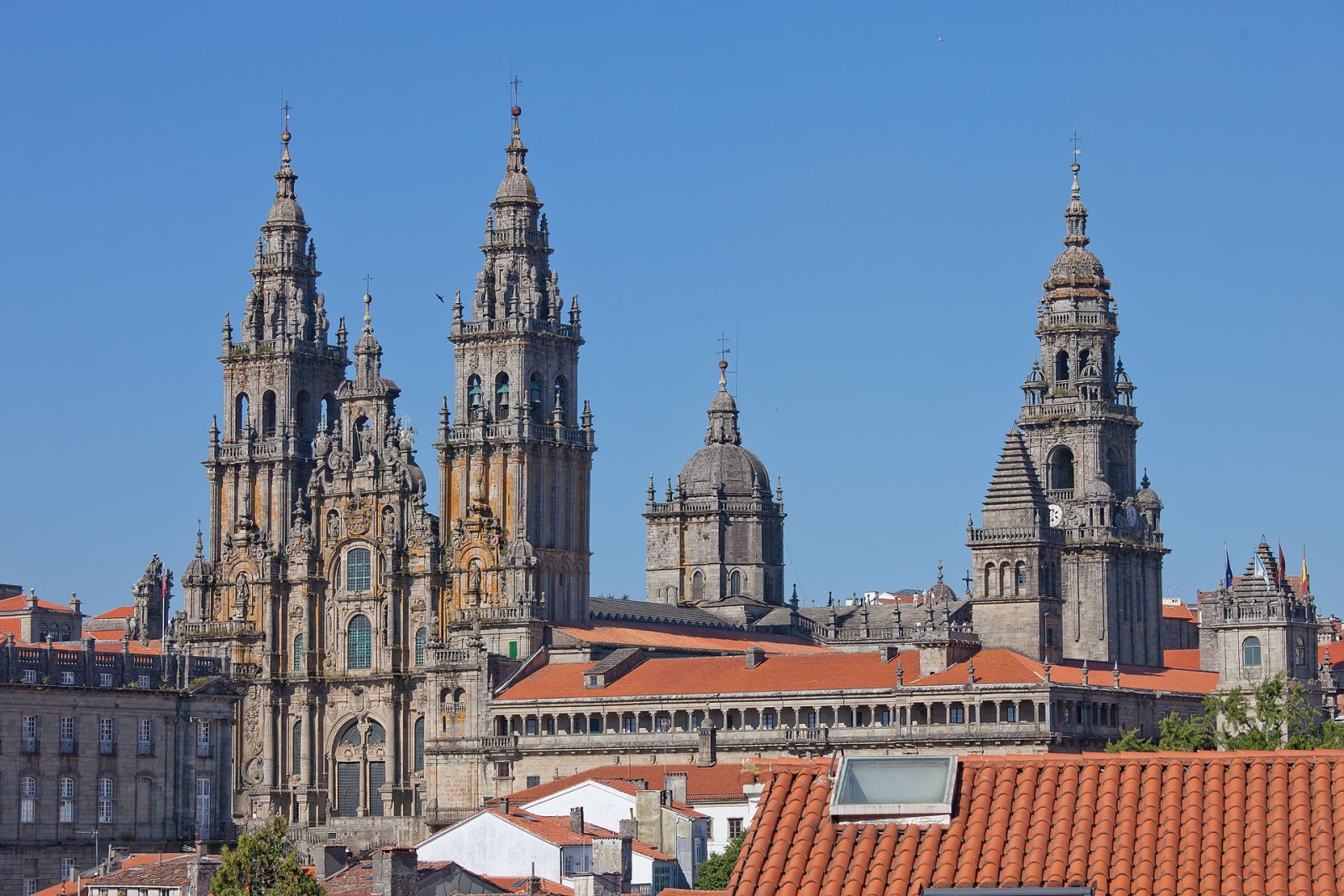

The Cathedral of Santiago de Compostela, located in the heart of Galicia, is a monument of extraordinary cultural and spiritual importance. Recognized as the burial site of Saint James, one of Christ's apostles, this basilica is the endpoint of one of the most famous pilgrimage routes in the world, known as El Camino. Its architecture, which blends Romanesque, Gothic, and Baroque styles, attracts not only the faithful but also tourists from every corner of the globe.
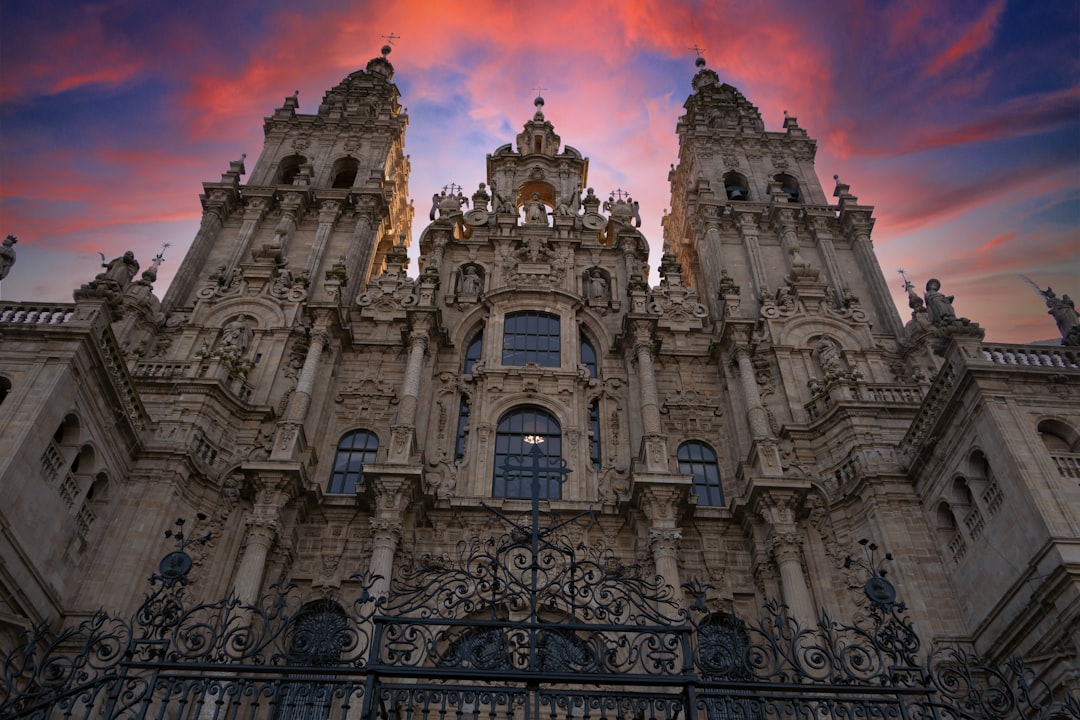
Visiting the cathedral means immersing oneself in centuries of history and tradition. The city of Santiago de Compostela, the capital of Galicia, is a place where the sacred and the profane coexist, offering visitors a unique and authentic experience. The cathedral, a UNESCO World Heritage site, is surrounded by a charming historic center, rich in cobblestone streets and lively squares, where one can savor Galician culture.
Historical and Cultural Context

The history of the Cathedral of Santiago de Compostela dates back to the 9th century when, according to legend, the tomb of Saint James was rediscovered by Pelayo the Hermit. This event marked the beginning of a fervent pilgrimage that has spanned centuries, transforming Santiago into a crossroads of cultures and spirituality. The cathedral has become a symbol of faith and perseverance, attracting pilgrims from all over Europe, many of whom undertake long and difficult journeys to reach its presence.
The basilica is not only a place of worship but also an important center of art and architecture. Its construction, which began in the Romanesque period, has seen the addition of Gothic and Baroque elements over the centuries. Every corner of the cathedral tells a story, from the intricate sculptures that adorn the facades to the wonderful stained glass that filters light enchantingly, creating an atmosphere of sacredness and wonder.

What Stands Out About the Place
One of the most fascinating aspects of the Cathedral of Santiago de Compostela is its imposing facade, characterized by sculptural details that narrate the deeds of Saint James and biblical stories. The main entrance, the Portico of Glory, is a masterpiece of Romanesque art, created by Master Mateo in the 12th century. Visitors are often struck by the beauty and complexity of these works of art, which offer a deep insight into medieval spirituality.
Inside, the cathedral hosts an atmosphere of peace and contemplation. The famous main altar, with the statue of Saint James, is a focal point for pilgrims, who stop to pray and reflect. Additionally, the play of light created by the colored stained glass illuminates the central nave, imparting a sense of sacredness that pervades the entire space. Every visit to the cathedral is an experience that invites reflection and connection with the sacred.
Visiting Experience
A visit to the Cathedral of Santiago de Compostela is an experience that goes far beyond architectural admiration. Pilgrims and tourists can participate in masses and religious rituals, thus immersing themselves in the spiritual tradition that permeates the place. The cathedral is open year-round, but it is advisable to visit during the week to avoid the weekend crowds when the flow of visitors significantly increases.
Guided tours are also available, offering insights into the history and art of the cathedral. These tours are an opportunity to discover fascinating details that might escape casual observation. Don’t forget to also explore the surrounding historic center, where you can enjoy typical Galician dishes and immerse yourself in the vibrant atmosphere of the city.
Practical Information for Visitors
To reach the Cathedral of Santiago de Compostela, the nearest airport is Santiago, well connected to major Spanish cities and some European destinations. Once in the city, public transport is efficient and allows for easy movement. The cathedral is located in the historic center, easily accessible on foot.
It is advisable to plan your visit in advance, especially during peak seasons when the city is flooded with pilgrims. Check the schedules for masses and special events, which can further enrich your experience. Finally, for those who wish to deepen their knowledge of the city and its history, the Secret World app offers a useful and informative resource.


