

Nestled in the heart of Bavaria, Kloster Benediktbeuern is a place that tells stories of faith, culture, and centuries of history. Founded in 739, this monastery is a symbol of the Benedictine tradition and a landmark for those wishing to explore Germany's rich cultural heritage. Located just a few kilometers from Bichl, the monastery is surrounded by breathtaking alpine scenery that invites contemplation and discovery.
The fame of Benediktbeuern is linked not only to its architecture but also to the discovery of the Carmina Burana manuscript in 1803, a work that profoundly influenced classical music thanks to Carl Orff's adaptation. This place is not only a testament to medieval spirituality but also a vibrant cultural center, brought to life by the presence of the Salesians of Don Bosco, who have lived here since 1930.
Historical and Cultural Context
The monastery of Benediktbeuern has deep roots in European history, having been founded during a time when the Christianization of Germany was in full swing. The abbey has been an important center of culture and education, contributing to the spread of knowledge and the preservation of ancient texts. The name Benediktbeuern has become known worldwide thanks to the Carmina Burana manuscript, which collects medieval poems of great literary and cultural value.
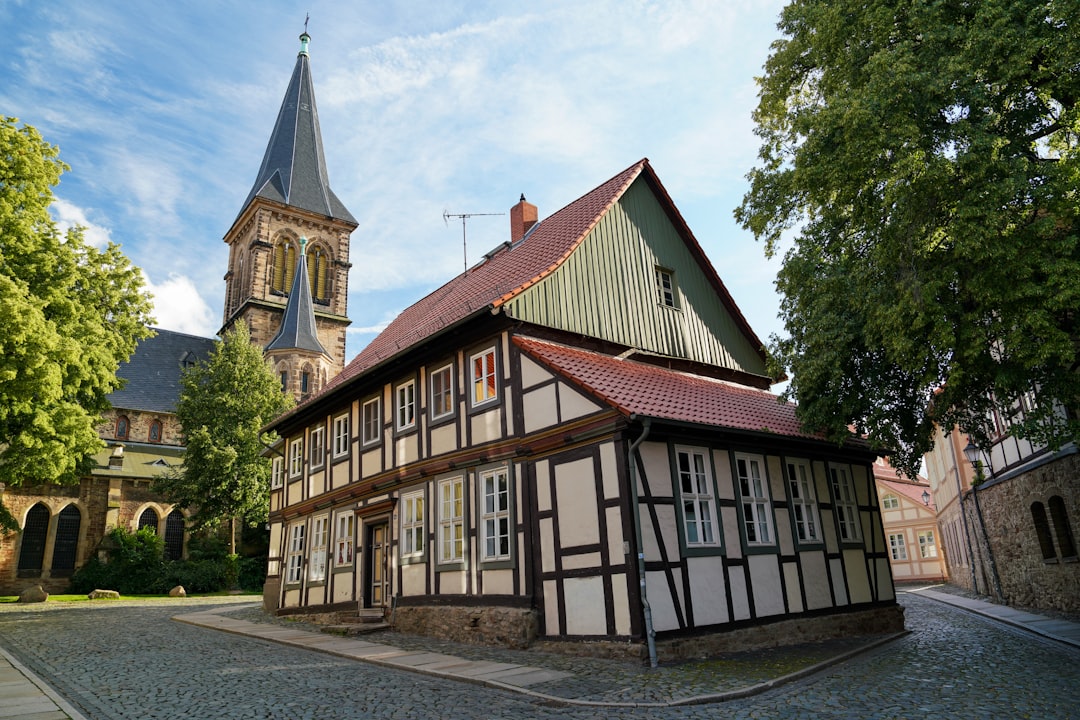
Over the centuries, Benediktbeuern has attracted illustrious visitors, including Johann Wolfgang von Goethe, who visited during his trip to Italy in 1786. This rich historical heritage is reflected in the architecture and atmosphere of the place, which retains the charm of a traditional alpine village, where time seems to have stood still.
What Stands Out About the Place
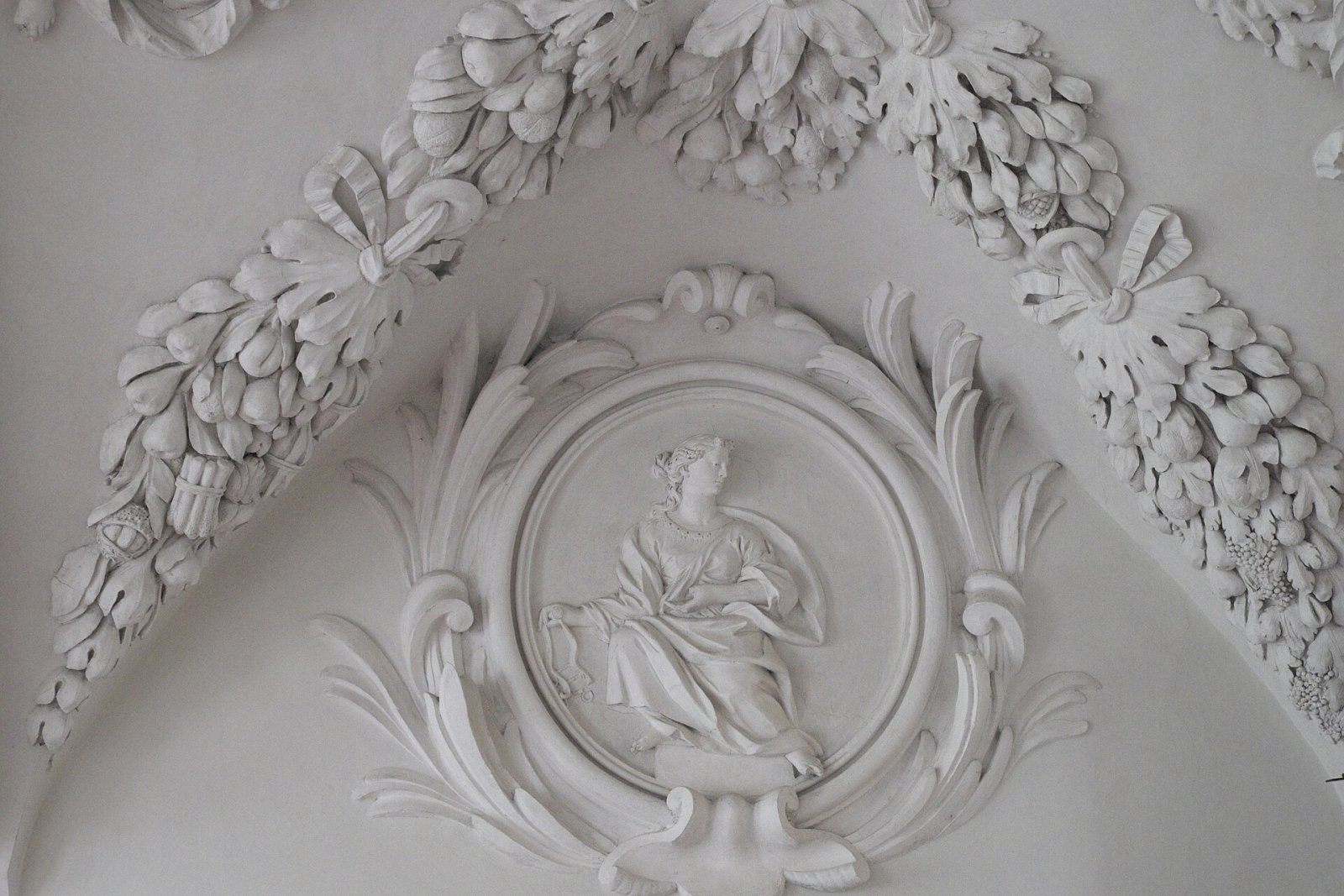
Kloster Benediktbeuern is characterized by majestic Baroque architecture, with artistic details that capture the attention of every visitor. The monastery's church, with its frescoes and elaborate decorations, is a masterpiece that showcases the skill of the artisans of the time. Walking through the monastic complex, one can sense an atmosphere of serenity and contemplation, ideal for those seeking a moment of reflection.
In addition to its architectural beauty, what makes Benediktbeuern unique is its privileged location. Surrounded by the Bavarian Alps, the monastery offers spectacular views and opportunities for nature hikes. Visitors can immerse themselves in a tranquil environment, away from the hustle and bustle of modern life, and take advantage of the rich vegetation and trails that wind through the surroundings.
Visiting Experience
Visiting Kloster Benediktbeuern is an experience that goes beyond mere observation; it is an opportunity to immerse oneself in a living history. The monastery is open to the public, and visitors can explore the various areas of the complex, participate in guided tours that tell the story of the place, and admire the artworks housed within. The presence of the Salesians further enriches the experience, as they offer opportunities for spiritual reflection and connection.
Don't forget to take some time to stroll through the village of Benediktbeuern, where you can discover small shops and restaurants offering local specialties. The welcoming atmosphere of the place will make you feel at home, making your visit even more memorable. A stop at the monastery is an invitation to discover not only the history but also the human warmth that characterizes this community.
Practical Information for Visitors
For those wishing to visit Kloster Benediktbeuern, it is advisable to plan the visit in advance. The monastery is easily accessible by car and has parking for visitors. Additionally, information about tours and special events can be accessed through the monastery's official website. During your visit, it is important to respect the typical behavioral norms of a sacred place, maintaining an attitude of respect and contemplation.
Finally, for more detailed planning of your trip, we suggest using the Secret World app, which offers useful tips and practical information to make the most of exploring this fascinating corner of Bavaria.


