
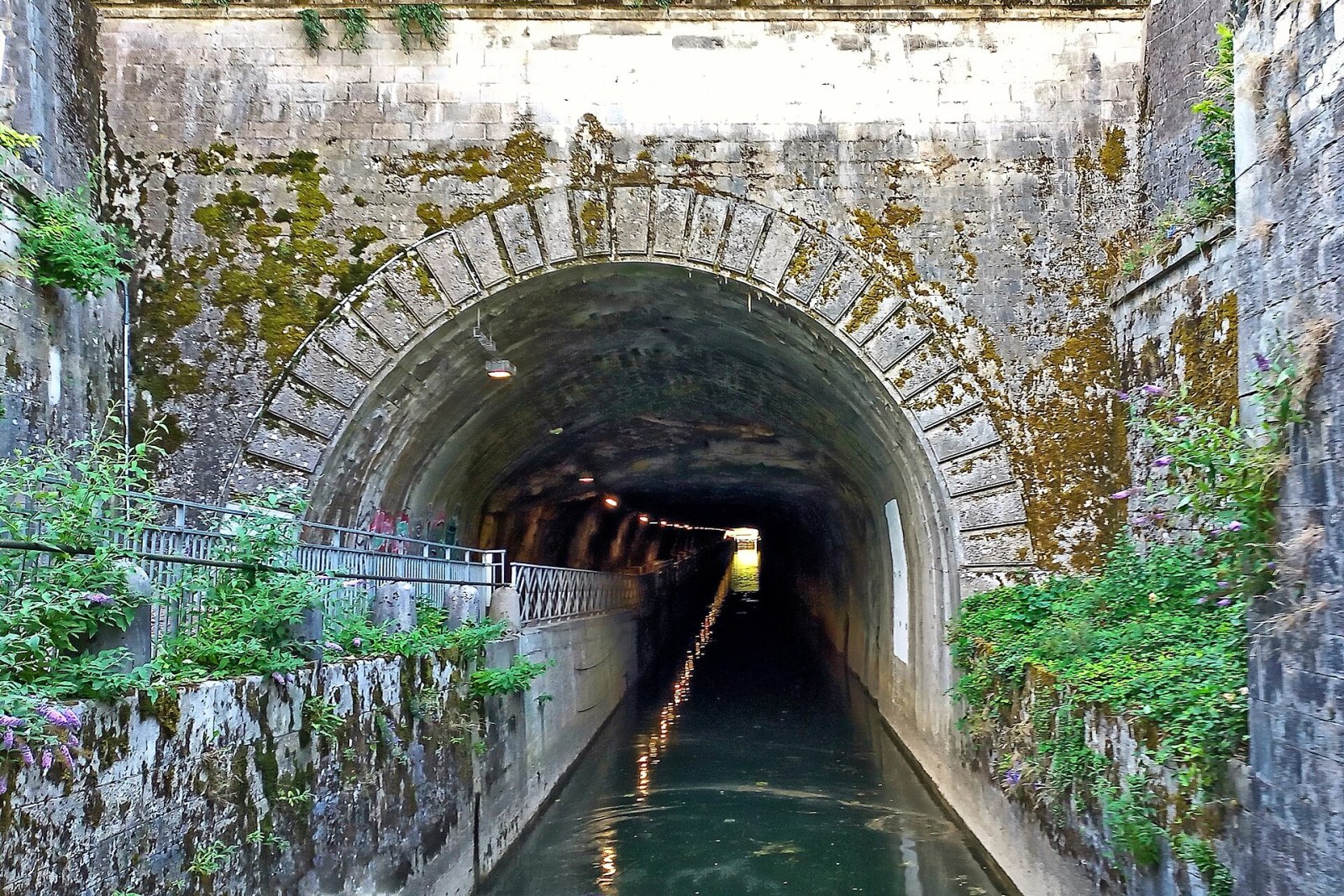

Nestled in the heart of Bourgogne-Franche-Comté, the Citadelle de Besançon is an imposing fortress that tells centuries of history and culture. Built in the 17th century, this extraordinary architectural work dominates the city of Besançon, offering breathtaking views of the Doubs valley. Its strategic location not only makes it a place of historical interest but also a privileged viewpoint for those wishing to immerse themselves in the beauty of the surrounding landscape.
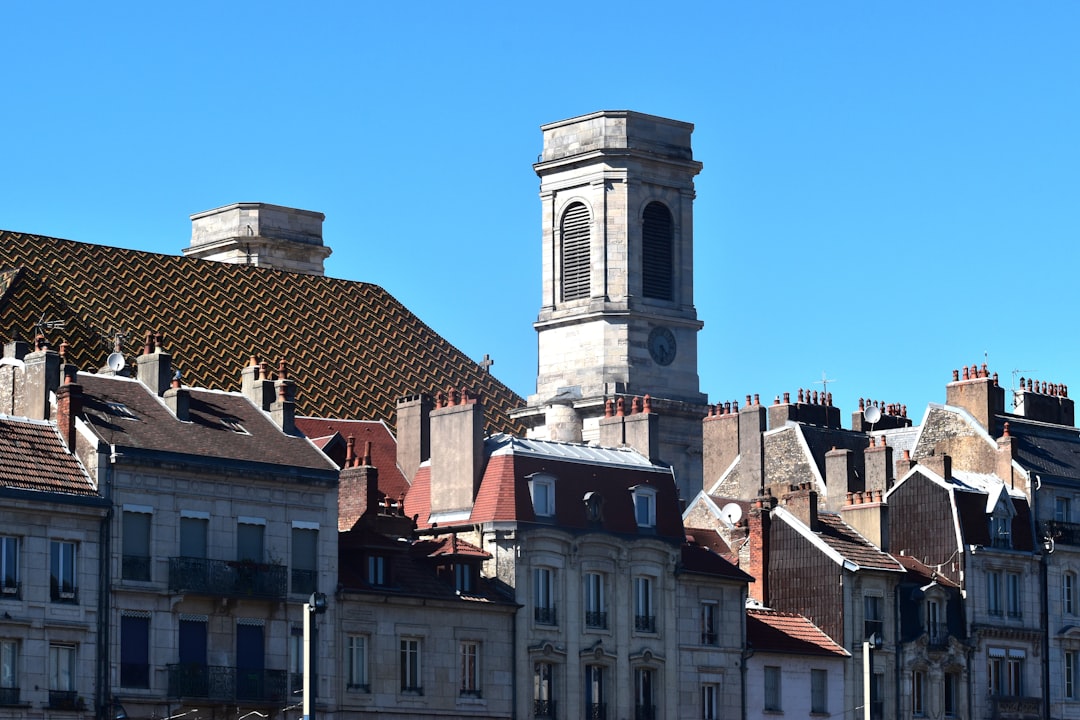
The Citadelle was designed by architect Vauban, a genius of military fortification, who harmonized defense with aesthetics. Today, the fortress is a UNESCO World Heritage site and welcomes visitors from all over the world, eager to explore its rich history and numerous attractions within.
History and Origins
The construction of the Citadelle de Besançon began in 1668, during a time when France sought to strengthen its military positions along the borders. The choice of site, on a hill overlooking the city, was not random: it allowed for control of access routes and protection of the local population. The fortress, completed in 1711, became a symbol of French power and Vauban's engineering mastery.
Over the centuries, the Citadelle has played a crucial role during various conflicts, including the Seven Years' War and the Napoleonic Wars. Its imposing structure has withstood numerous sieges, making it a living testament to European military history. Today, the fortress walls tell stories of battles and strategies, while visitors can admire the various exhibitions dedicated to the history of the city and its fortification.


