
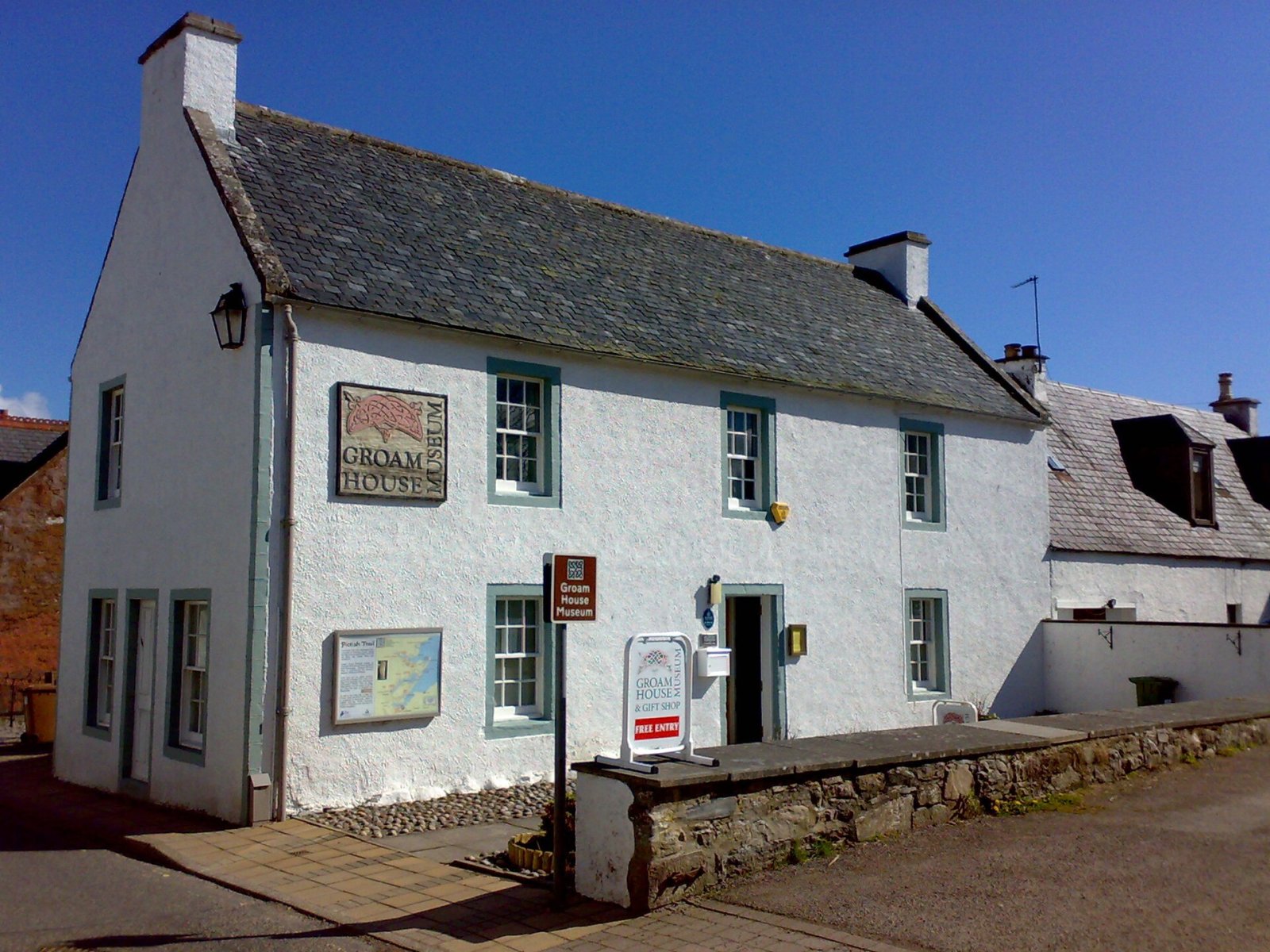

In the heart of Scotland, specifically in the picturesque village of Rosemarkie, lies the Groam House Museum, a place that celebrates Celtic and Pictish art. Founded in 1989, this museum houses an extraordinary collection that includes works of great historical and cultural value, making it a must-visit for anyone wishing to immerse themselves in the tradition and history of these ancient civilizations. A journey here is not just a meeting with art, but also a window into a past rich in meaning.
The museum stands out for its location, overlooking the beautiful waters of the Moray Firth, and for its collection that includes the famous Rosemarkie Stone, one of the few surviving examples of Pictish stone art. Additionally, the presence of the George Bain Collection, which represents the pinnacle of modern Celtic design, offers further reflection on the ongoing evolution of this art form.
Historical and Cultural Context
The history of the Groam House Museum is intrinsically linked to the artistic tradition of the Pictish people, who inhabited these lands centuries ago. Pictish art is characterized by intricate carvings and symbolic motifs that tell stories and beliefs from a distant era. The discovery of the Rosemarkie Stone has been a crucial step in understanding this culture, as it provides a glimpse into the life and spirituality of the Picts.
Moreover, the figure of George Bain, regarded as the father of modern Celtic design, is central to the museum. His research and work have contributed to rediscovering and reinterpreting the complex mathematical and artistic patterns of Celtic art, making the museum not only a place of exhibition but also a center for the study and enhancement of these ancient traditions.
What Impresses About the Place
Visiting the Groam House Museum, visitors are immediately struck by the beauty and variety of the displayed works. Among the most fascinating pieces are the fourteen fragments of Rosemarkie sculpture, with the Daniels Stone standing out for its complexity and significance. Each work tells a story, a connection to the past that invites reflection on the cultural identity of an entire nation.
Furthermore, the museum does not limit itself to displaying historical works but also engages the community and visitors in creative projects. In 2015, for example, a project to create Celtic felt banners was organized for the 2016 Celtic Connections Festival, demonstrating how art can continue to live and evolve in the present.
Visiting Experience
A visit to the Groam House Museum is an immersive experience that invites reflection and discovery. The exhibition spaces are well-maintained and allow for an appreciation of every detail of the works, while the information provided enriches the understanding of the historical and artistic context. Art enthusiasts will find the comparison between ancient art and the modern interpretations proposed by Bain and other contemporary artists stimulating.
Additionally, the museum's location, surrounded by breathtaking landscapes, allows for combining the visit with a walk along the Moray Firth coast, making the experience even more memorable. Every corner of the museum and its surroundings tells a story, inviting visitors to discover and be inspired.
Practical Information for Visitors
For those wishing to visit the Groam House Museum, it is advisable to check the official website for opening hours and any special events. The facility is easily accessible and offers a welcoming atmosphere for all visitors, who can explore Celtic and Pictish art in a serene and stimulating environment.
Finally, don't forget to download the Secret World app to discover more hidden treasures and useful information during your visit. With a simple touch, you can enrich your experience and immerse yourself even more in the culture and history of this fascinating region of Scotland.


