


In the heart of the Castile-La Mancha region, Cuenca is a city that enchants with its architectural beauty and millennia-old history. Among its most fascinating wonders are the famous Hanging Houses, an extraordinary example of engineering and art overlooking the gorge of the Huécar River. These houses, built on sheer cliffs, offer breathtaking views and a unique testament to human ability to adapt to a challenging environment.
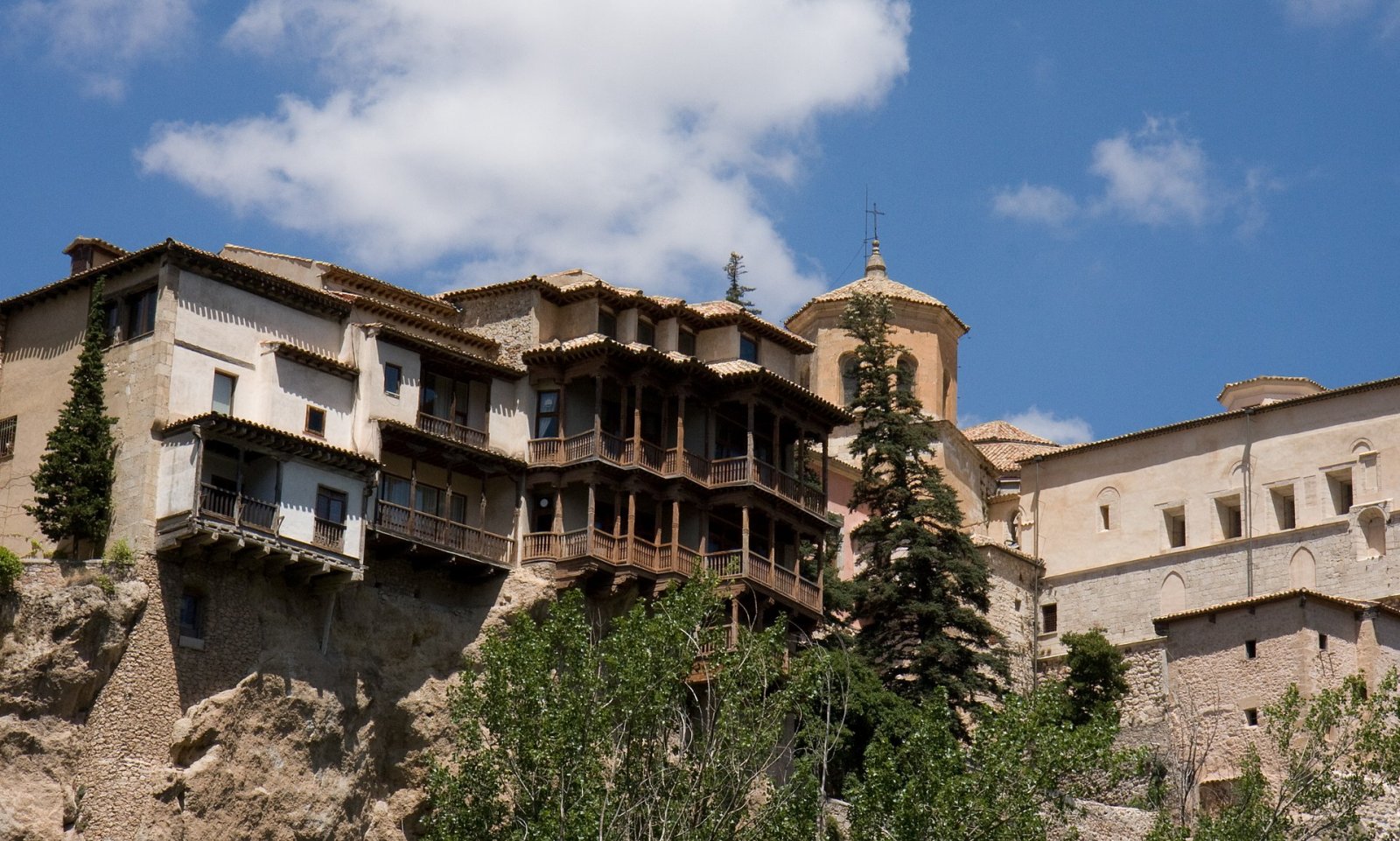
The Hanging Houses are not only a symbol of Cuenca but also an important cultural heritage that reflects the history and traditions of this fascinating Spanish city. Their construction, dating back centuries, is the result of bold architecture that has withstood the test of time and the elements, making them a must-see for every visitor.
Historical and Cultural Context
Cuenca has a rich and complex history intertwined with that of Spain. Founded in the 8th century by Muslims, the city was later conquered by Christians in 1177. This multicultural past is evident in the architecture of its streets, where Moorish and Christian influences can still be admired. The Hanging Houses, built in the 15th century, are an example of how the city has managed to integrate different architectural styles, creating a unique urban landscape.
Beyond their beauty, the Hanging Houses are also a symbol of the resilience and creativity of the people of Cuenca. These homes, built in such a bold position, tell stories of daily life, challenges faced and overcome, and a strong connection to the land. Today, Cuenca is recognized as a UNESCO World Heritage Site, a title that underscores the cultural and historical importance of this city.
What Impresses About the Place
The Hanging Houses of Cuenca are undoubtedly a sight not to be missed. Their structure, which seems to defy gravity, captures the attention of anyone who approaches. Each house is different, with wooden balconies and decorated facades that tell stories of past eras. The view from the bridge that crosses the Huécar River is particularly striking, offering a perfect angle to admire these architectural wonders.
But it is not just the appearance of the houses that impresses; it is also the atmosphere that permeates the area. Strolling through the picturesque streets of Cuenca, with their charming views and the presence of local artists, creates an immersive experience that goes beyond mere sightseeing. The city is alive, pulsating with culture and history, and the Hanging Houses are its beating heart.
Visiting Experience
Visiting the Hanging Houses is an experience that engages all the senses. The beauty of the surrounding landscape, the sound of water flowing in the river, and the aroma of local restaurants serving typical regional dishes create an unforgettable atmosphere. Visitors can also explore the numerous museums and art galleries nearby, offering a unique opportunity to delve into the history and culture of Cuenca.
It is advisable to dedicate at least an entire day to discovering this wonderful city. A walk along the cobbled streets, a visit to local markets, and lunch in one of the restaurants overlooking the river will make your experience even more special. Don't forget to bring your camera: every corner of Cuenca offers unimaginable opportunities for unforgettable shots.
Practical Information for Visitors
Cuenca is easily reachable from Madrid with regular trains connecting the two cities in less than two hours. Once you arrive, the historic center is easily walkable, making it simple to explore the architectural and cultural wonders at your own pace. It is advisable to visit the Hanging Houses in the early morning or late afternoon to avoid crowds and enjoy the best light for photographs.
For those who wish to further enhance their visit, there are several apps available, such as Secret World, which offer detailed information and suggestions on what to see and do in Cuenca. With its rich history and extraordinary beauty, Cuenca and its Hanging Houses promise an unforgettable experience for every traveler.


