
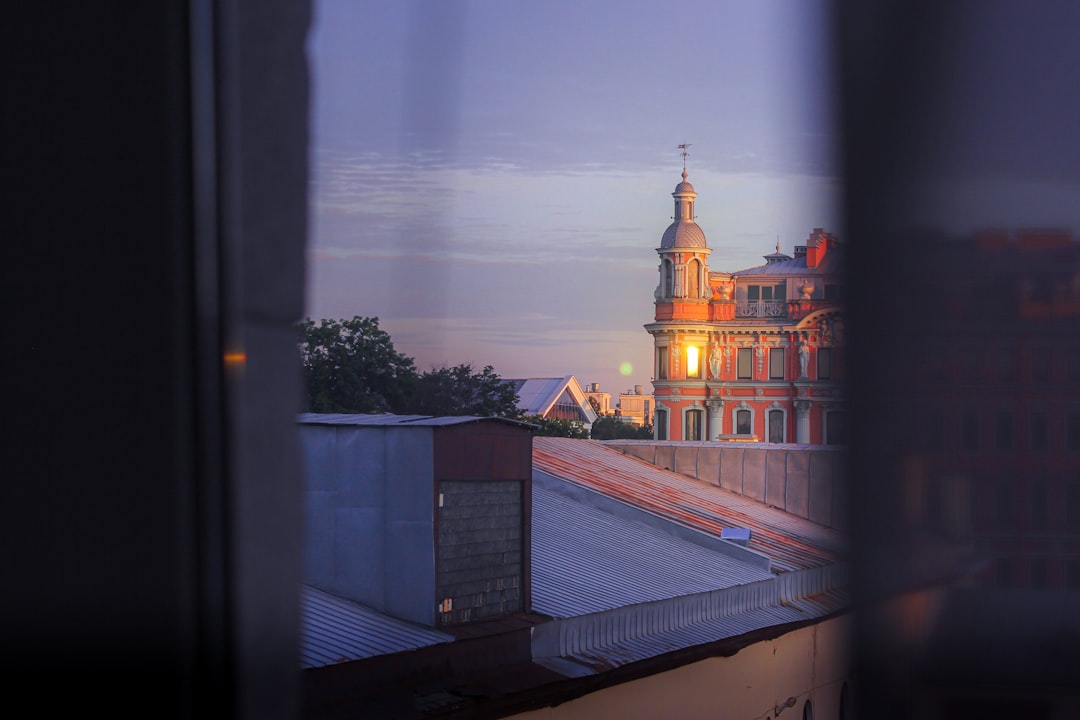

In the heart of St. Petersburg, among the canals and majestic imperial architectures, stands the Hermitage, one of the largest and oldest museums in the world. Founded in 1764 by Empress Catherine II, this monument to culture and art spans an area of over 66,000 square meters and houses a collection that ranges from classical antiquities to modern works. Walking through its halls is a journey that tells centuries of history, culture, and human creativity.
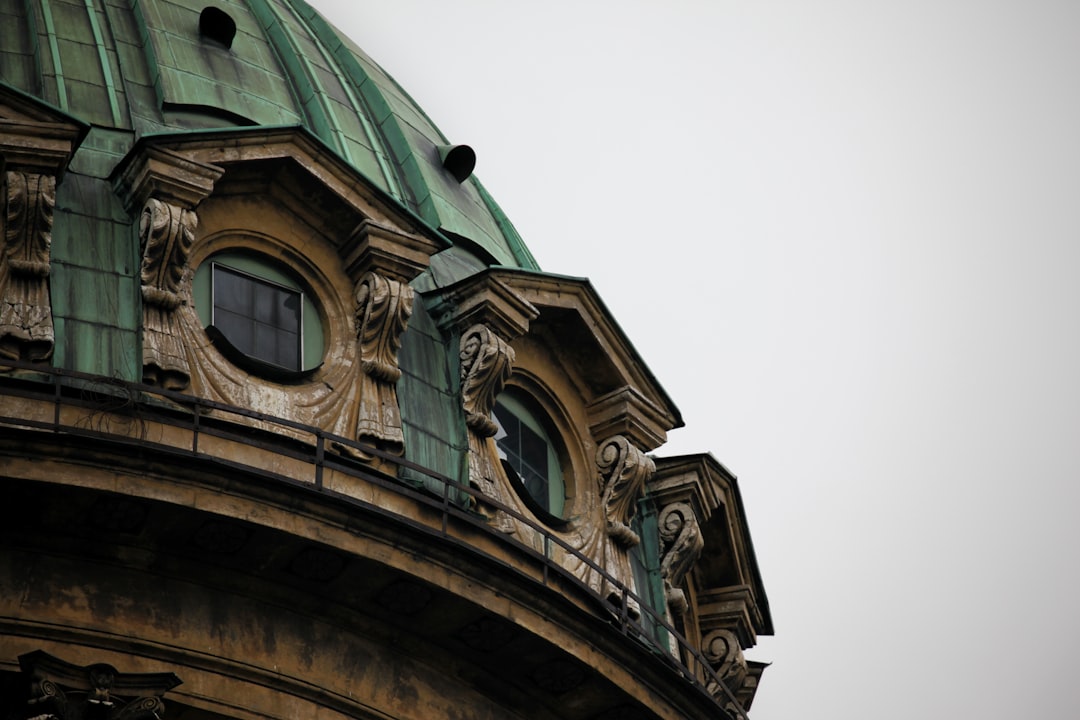
The magnificence of the Hermitage lies not only in the artworks but also in the architecture of the museum complex itself, which includes the Winter Palace, the residence of the Russian tsars. With its lavish interiors and beautifully decorated halls, the museum is a masterpiece that deserves to be explored in depth. Every corner is an invitation to discover hidden stories and priceless treasures.
Amazing Collections
The Hermitage boasts a collection of over 3 million works, including paintings, sculptures, applied arts, and archaeological finds. The section dedicated to paintings is particularly impressive, featuring works by masters such as Rembrandt, Michelangelo, Van Gogh, and Picasso. Among the most famous masterpieces is Rembrandt's "Return of the Prodigal Son," which touches the heart with its emotional intensity.
The collection of Impressionist and Post-Impressionist art is one of the richest outside of France, with works by Monet, Degas, and Cézanne, offering a unique overview of these artistic movements. Each room tells a different story, allowing visitors to immerse themselves in the eras and cultural contexts from which the works originate.
Masterpieces Not to Be Missed
A visit to the Hermitage is not complete without a stop in the Gold Room, a place that embodies the luxury and magnificence of the Russian imperial court. Here, visitors can admire not only the art but also the furnishings and objects made of gold and precious stones, which testify to the power and wealth of the tsars. The beauty of this room is such that it takes your breath away, a true triumph of baroque art.
Another must-see stop is the Marble Hall, where columns and floors made of fine marble create an atmosphere of great majesty. This hall houses statues and busts of important historical figures that, along with the architecture, generate a visual harmony that captivates the imagination of visitors.
A Unique Cultural Experience
But the Hermitage is not just a place to admire art; it is also a dynamic cultural center that organizes events, temporary exhibitions, and educational activities. Throughout the year, the museum hosts conferences, concerts, and guided tours that allow for a deeper understanding of various artistic and cultural themes. Visitors can also participate in creative workshops, making the visit an interactive and engaging experience.
The presence of curators and art teachers further enriches the experience, offering insights and in-depth discussions about the exhibited works. In this way, the Hermitage transforms into a laboratory of ideas, dialogue, and discovery, where art lives and breathes.
Conclusion: An Unmissable Journey
In summary, the Hermitage is much more than a museum: it is a journey through history, art, and culture. Each visit is unique, each work tells different stories, and each room offers an unparalleled visual and emotional experience. For those in St. Petersburg, a stop at the Hermitage is an unmissable journey that enriches the soul and stimulates the mind, leaving an indelible mark on the heart of every visitor.
Don't forget to book in advance and to dedicate the necessary time to explore this immense treasure, because the Hermitage is a place where art and history intertwine in a timeless embrace.


