
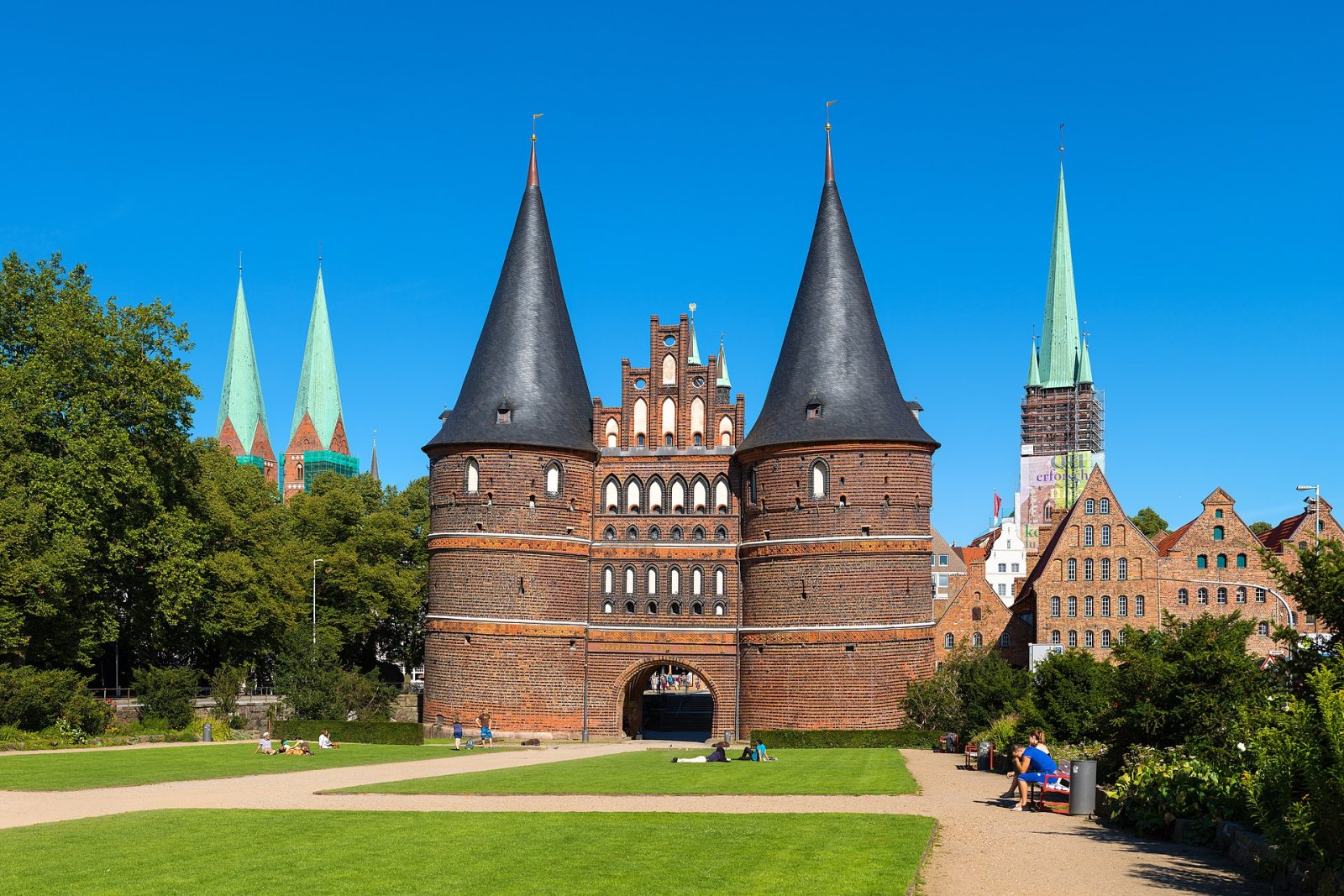

In the heart of the city of Lübeck, in Schleswig-Holstein, stands majestically the Holstentor, one of the most iconic medieval gates in Germany. This structure is not just a simple access to the city, but a true symbol of the mercantile power of the Hanseatic League, which dominated the seas and trade in Northern Europe. With its red brick architecture and imposing towers, the Holstentor embodies the rich history of Lübeck, a city that has managed to maintain its beauty and charm despite the challenges of time.
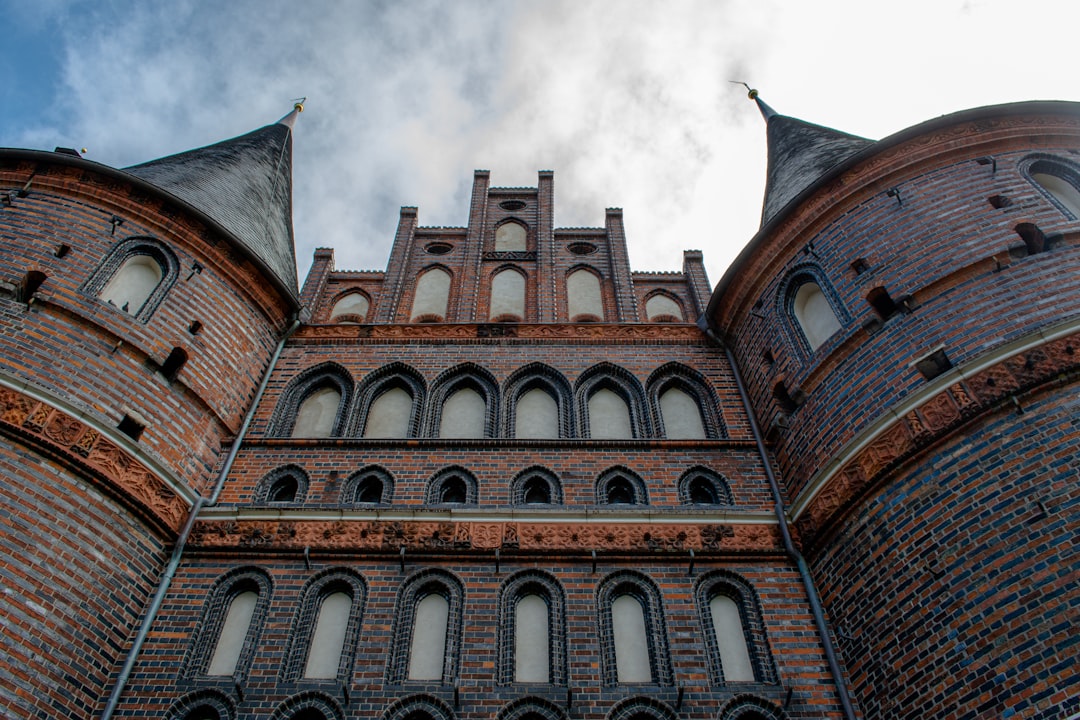
Lübeck, known as the "Capital of the Hanseatic League", has been an important trading center since the 12th century. The Holstentor, built in the 15th century, represents the main entrance to the old town, a place that has been declared a UNESCO World Heritage Site. Its presence not only testifies to the greatness of the past but also offers an idea of the power and wealth that this city has accumulated over the centuries.
History and Origins
The Holstentor was built between 1464 and 1478, during a period of great prosperity for Lübeck. The gate was part of the city's defensive walls and served to protect access to the port, one of the most important of the time. Its architecture, characterized by a mix of Gothic and Renaissance elements, makes it unique in the panorama of German medieval gates. The structure features two cylindrical towers and a central arch that reflects the ingenuity of the architects of the time.
Over the centuries, the Holstentor has undergone several restorations, especially after the damage suffered during World War II. Today, the gate is not only a historical monument but also a museum that tells the story of the city and its importance in European maritime trade. Visitors can explore exhibits that illustrate life in medieval Lübeck, deepening their understanding of the culture and traditions of this fascinating place.
Elements to Observe
One of the most fascinating features of the Holstentor is its facade, decorated with numerous architectural details that tell stories of past eras. The tall, slender towers are crowned with pinnacles that give the structure a majestic appearance. Inside, visitors can admire the ancient brick walls and exhibits showcasing historical artifacts, including items used by merchants passing through Lübeck.
Don't forget to pay attention to the view that opens from the gate. The Holstentor offers a spectacular view of the old town, with its cobblestone streets and historic Gothic churches rising against the sky. This setting makes every visit an unforgettable experience, allowing one to immerse themselves in the history and culture of Lübeck.
Why It Is Interesting Today
Today, the Holstentor is not just a historical monument but a symbol of identity for the residents of Lübeck. Its presence continues to attract visitors from all over the world, eager to discover the history of the city and its importance in European maritime trade. Furthermore, the structure hosts cultural events and exhibitions that celebrate the city's heritage, making it a living landmark for the community.
Visiting it is an opportunity to understand not only the history of Lübeck but also the evolution of port cities in the European context. The Holstentor represents a link between the past and the present, a place where history continues to live and inspire future generations.
Practical Information for Visitors
For those wishing to visit the Holstentor, the structure is easily reachable from the center of Lübeck. It is advisable to plan the visit during the week to avoid crowds on weekends, especially during the tourist season. Admission to the museum is paid, but it is worth every penny for the wealth of information and the beauty of the structure.
Additionally, exploring the surroundings of the Holstentor offers the opportunity to discover other architectural wonders of the city, making the visit a complete experience. Don't forget to download the Secret World app to discover more hidden treasures and tips during your exploration of Lübeck.


