
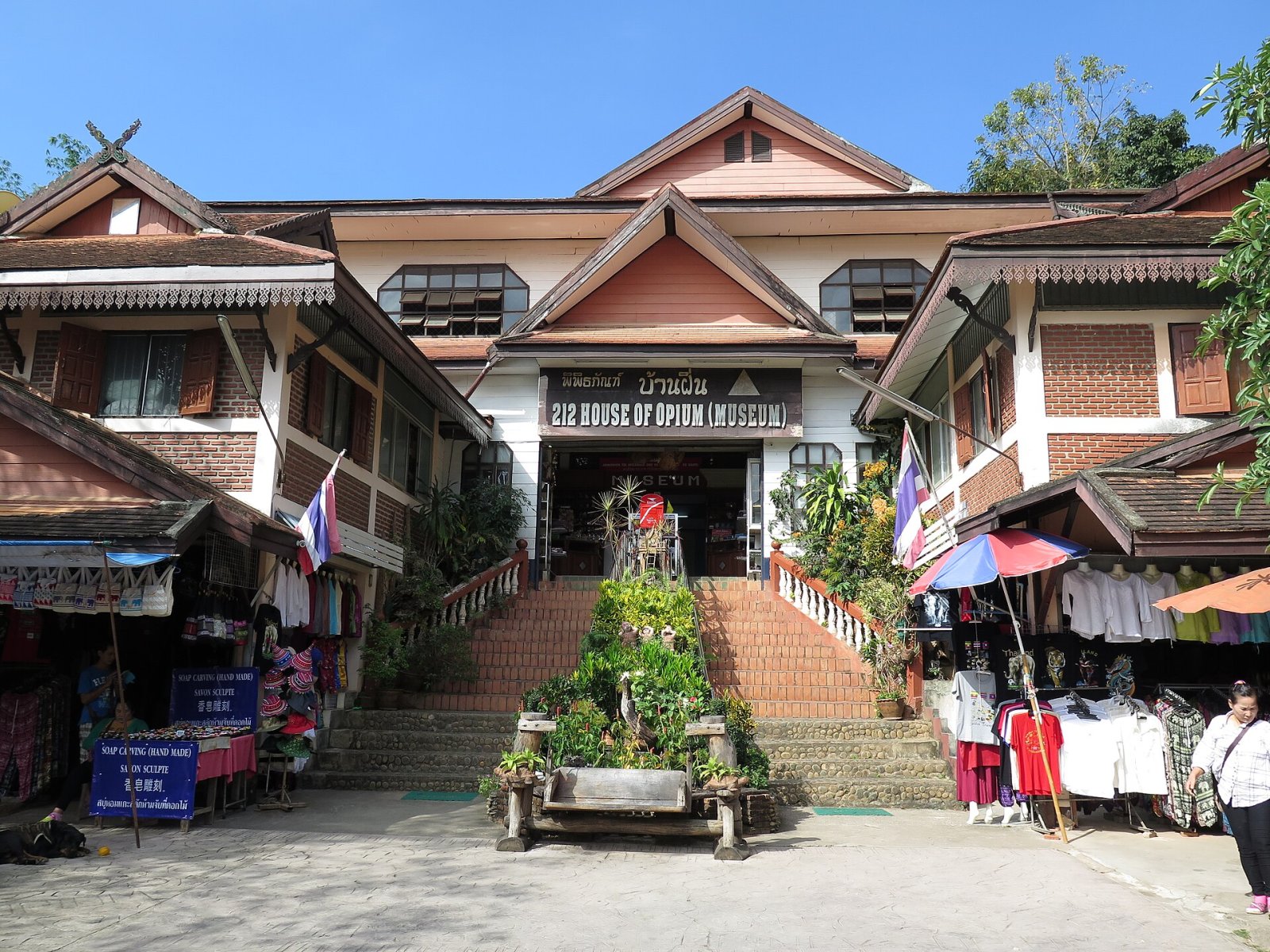

In the heart of Thailand, in Ban Sop Ruak, stands a fascinating place that tells a complex and intriguing story: the House of Opium. This museum, dedicated to the culture of opium, offers a unique window into a past that has influenced not only Thailand but also much of Southeast Asia. Through its exhibitions, visitors can explore the origins, use, and social implications of this controversial substance.
The House of Opium is not just a museum, but an immersive experience that invites reflection on the historical and cultural dynamics related to opium. Located in a region historically known for opium production, this facility aims to educate and raise awareness among visitors about a topic often misunderstood and stigmatized.
Historical and Cultural Context
The history of opium is intricate and rooted in centuries of tradition and trade. Used since ancient times for its analgesic and sedative properties, opium has played a crucial role in interactions between Asian and Western cultures. Thailand, in particular, has seen opium become an important commodity, influencing local economies and regional policies.
In the 19th century, opium acquired a different connotation, linked not only to its medicinal use but also to illegal trade. The House of Opium is committed to preserving and narrating this story, highlighting the social and economic consequences that opium use has had on local communities. Through interactive exhibits and educational materials, the museum offers an in-depth analysis of how opium has shaped life in Southeast Asia.
What Stands Out About the Place
Upon entering the House of Opium, visitors are welcomed by an atmosphere that blends respect for history with an educational approach. The exhibitions are carefully curated and present a variety of objects, photographs, and historical documents that illustrate the evolution of opium over the centuries. What stands out the most is the museum's ability to address a sensitive topic with sensitivity and respect, avoiding the glorification of opium use and instead focusing on its consequences.
Additionally, the museum offers a multisensory experience, with installations that stimulate curiosity and reflection. Visitors can learn not only about the techniques of opium harvesting but also about the stories of the people affected by it. This approach makes the visit not only informative but also profoundly moving.
Visiting Experience
Visiting the House of Opium is an experience that goes beyond mere observation; it is an opportunity to reflect on a complex topic. The museum staff is highly qualified and available to answer any questions, making the visit even more interesting. Guided tours offer insights that enrich the understanding of the historical and cultural context of opium.
The museum is easily accessible and offers various visiting options, from individual visits to group tours. It is advisable to book in advance, especially during the peak tourist season, to ensure a smooth experience. Moreover, visitors can take advantage of dedicated spaces for reflection and relaxation, where they can assimilate the information learned.
Practical Information for Visitors
The House of Opium is open every day and offers different entry options, which may vary depending on age and type of visit. It is advisable to check the official museum website for updated information on hours and rates. Its strategic location in Ban Sop Ruak makes it easily reachable by public transport or taxi, making the visit practical and convenient for tourists.
Finally, don't forget to explore the surroundings of the museum, which offer picturesque landscapes and other cultural attractions. For more detailed planning of your trip, the Secret World app can be a useful resource for discovering further details and suggestions. The House of Opium, with its rich history, represents an unmissable experience for those wishing to gain a deeper understanding of Thai culture.


