
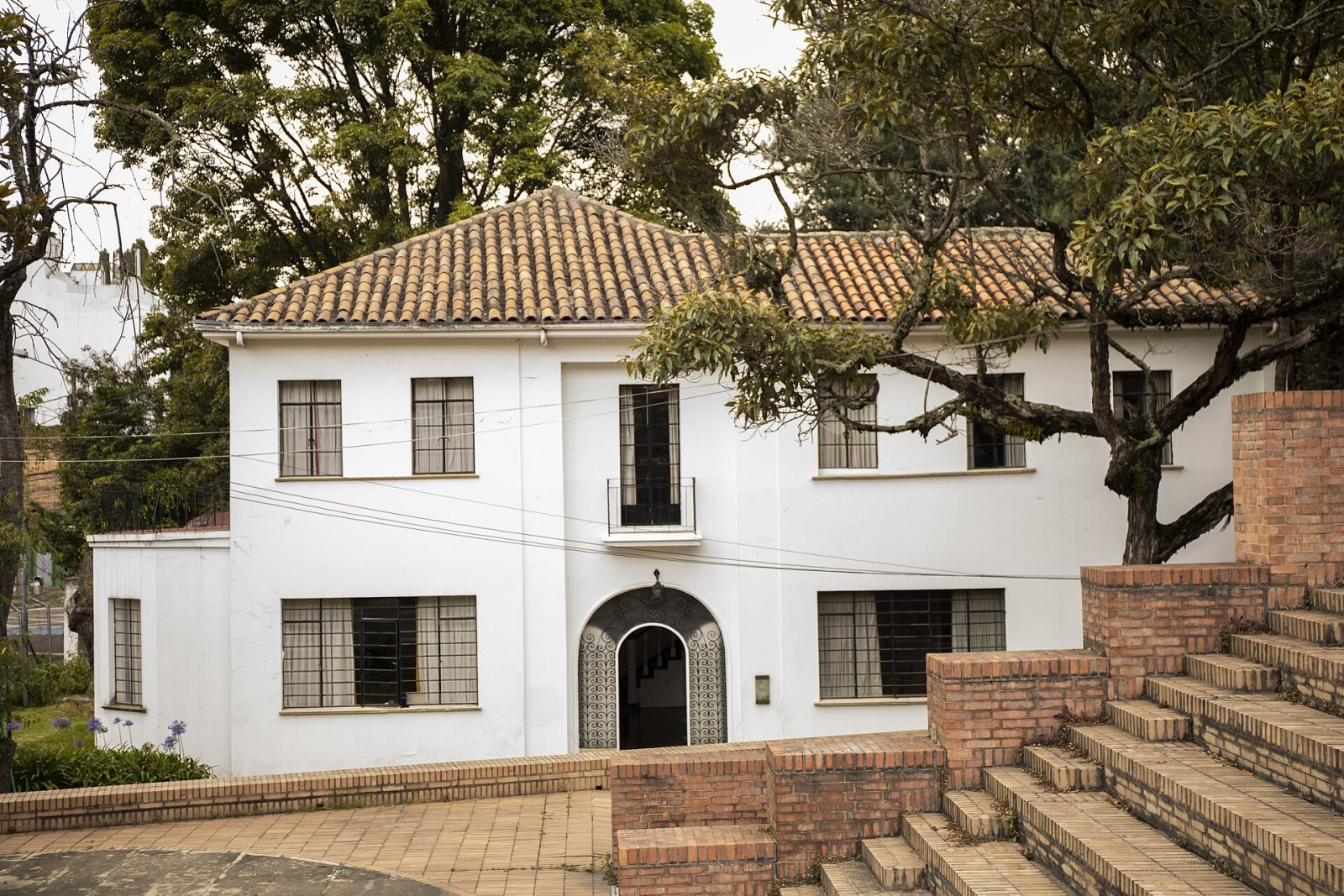

In the heart of Bogotá, the Jorge Eliecer Gaitan Museum represents an important testimony of Colombian history. This museum, dedicated to the life and legacy of the assassinated politician Jorge Eliecer Gaitan, offers a unique opportunity to explore not only his life but also the social and political context of Colombia in the 1930s and 1940s. Located in the house where Gaitan lived until the day of his death, the museum is a place rich in history and significance.
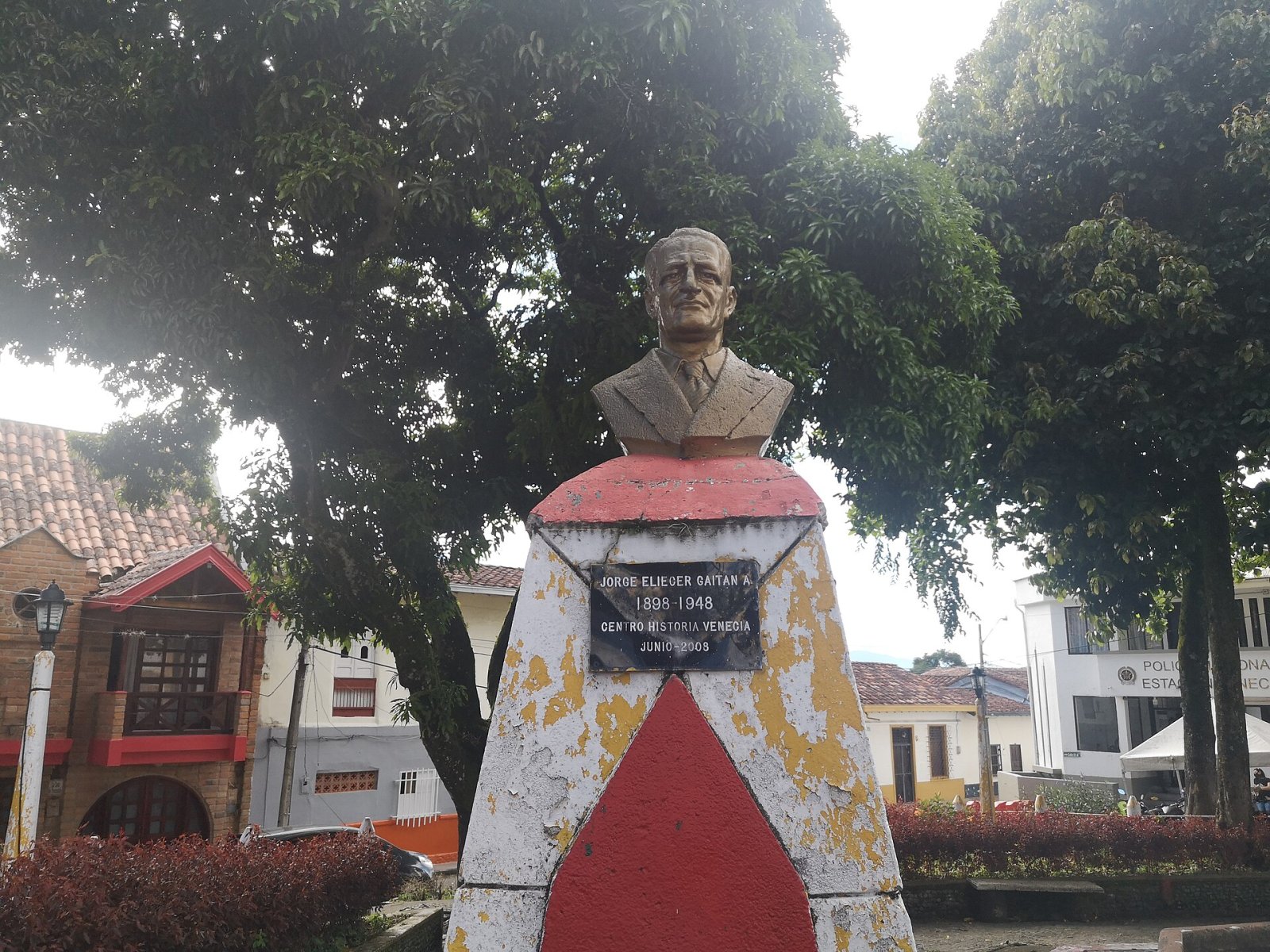
Inaugurated in 2005 and managed by the National University of Colombia, the museum was declared a National Monument in 1948. Its location in the Santa Teresita area, an emblematic neighborhood of Bogotá, makes this place even more fascinating for those who want to immerse themselves in the past of the Colombian capital.
History and Origins
The house that hosts the museum was designed in 1928 by the firm "Davila Holguin & Lievano" and represents a significant example of residential architecture from that period. Gaitan, known for his passionate oratory and commitment to the rights of the poorest, lived here from the early 1930s until the fateful April 9, 1948. His death, occurring in a context of growing political tension, marked a turning point in Colombian history, giving rise to a series of events that would change the course of the country.
The museum is not only a tribute to Gaitan but also a reflection of the daily life of an era. Each displayed object tells a story, offering visitors an authentic glimpse into the life of one of the most influential figures in Colombian politics. The house, with its restored spaces, allows for a better understanding of the challenges and aspirations of Gaitan and his time.
Elements to Observe
Inside the museum, visitors can admire a variety of historical objects that belonged to Gaitan and his family. Each room is carefully curated, showcasing period furniture, photographs, and documents that illustrate the life of the politician and his social commitment. The arrangement of the spaces recreates the atmosphere of a 1930s home, allowing one to imagine what daily life was like during that time.
Particular attention is given to Gaitan's figure as the "Tribune of the People," a nickname that reflects his commitment to the less fortunate classes. Through informative panels and interactive installations, visitors can delve into his political thought and ideas, which continue to influence Colombian society even today.
Why It Is Interesting Today
The Jorge Eliecer Gaitan Museum is a place of reflection and learning, particularly relevant in a current context where social and political issues are at the center of public debate. The life and legacy of Gaitan offer insights into themes such as social justice, civic engagement, and the role of politics in daily life. Visiting the museum means not only learning about the history of a great leader but also understanding the dynamics that still influence Colombia today.
In an era where historical memory is essential for building a better future, the museum serves as a beacon of knowledge and awareness. Through its collection and exhibitions, it invites visitors to consider the past to face the challenges of the present and future.
Practical Information for Visitors
The museum is located at Calle 42 No. 15, in the Santa Teresita neighborhood of Bogotá, easily accessible by public transport. The facility is open to the public and offers guided tours that enrich the visitor's experience, providing details and anecdotes about Gaitan's life and the historical context in which he operated.
It is advisable to book in advance to ensure participation in a guided tour, especially on weekends. Admission is accessible to all, making the museum an ideal place for families, students, and anyone interested in Colombian history. For a more complete travel experience, you can further explore the city and discover other significant places through the Secret World app.


