
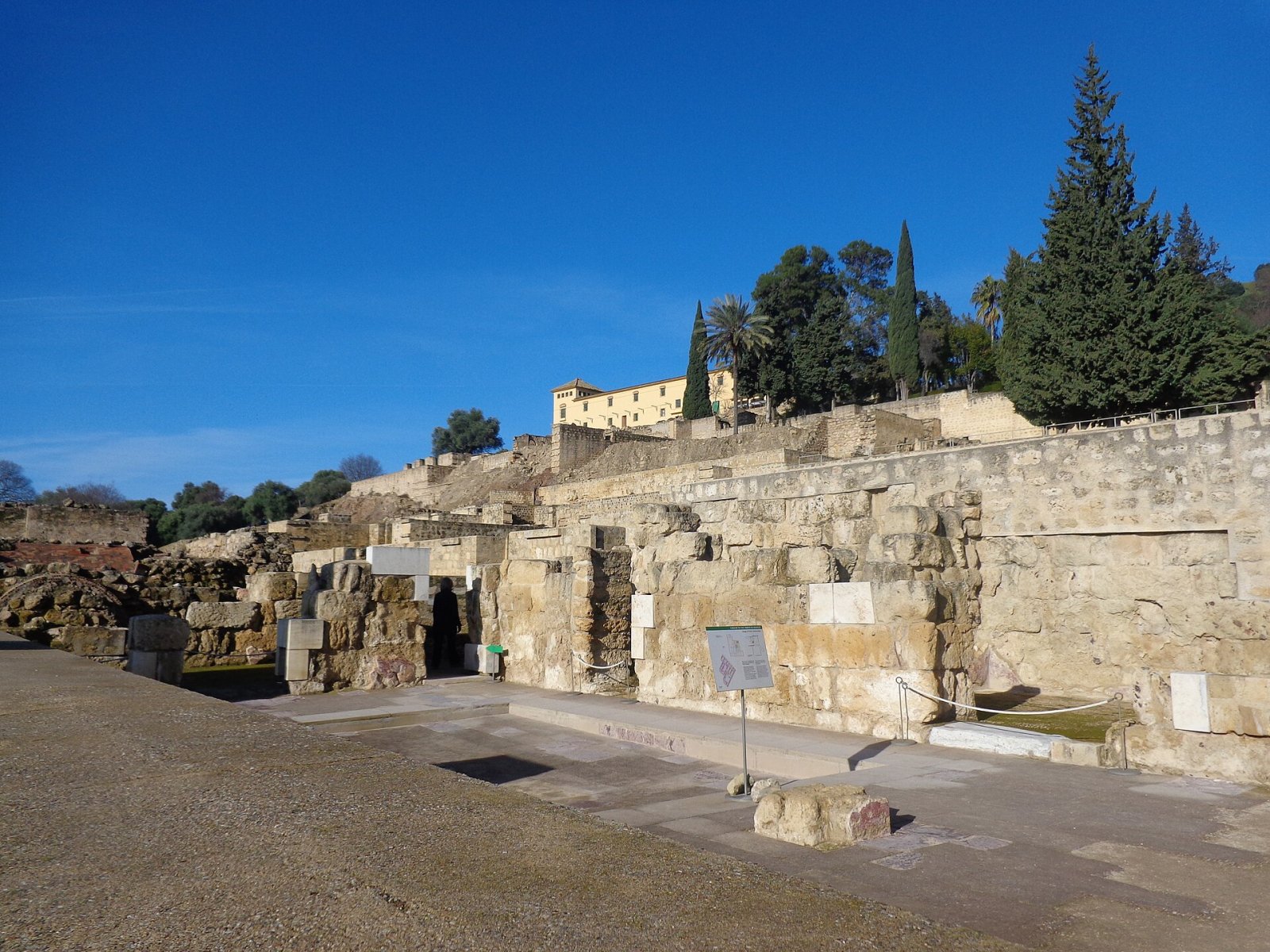

Nestled in the heart of Andalusia, Medina Azahara is an archaeological site that tells the story of a golden age for Córdoba, once the capital of the Islamic caliphate. This architectural marvel, located just a few kilometers from the city, is an extraordinary example of Muslim art and culture, captivating visitors with its beauty and historical significance.
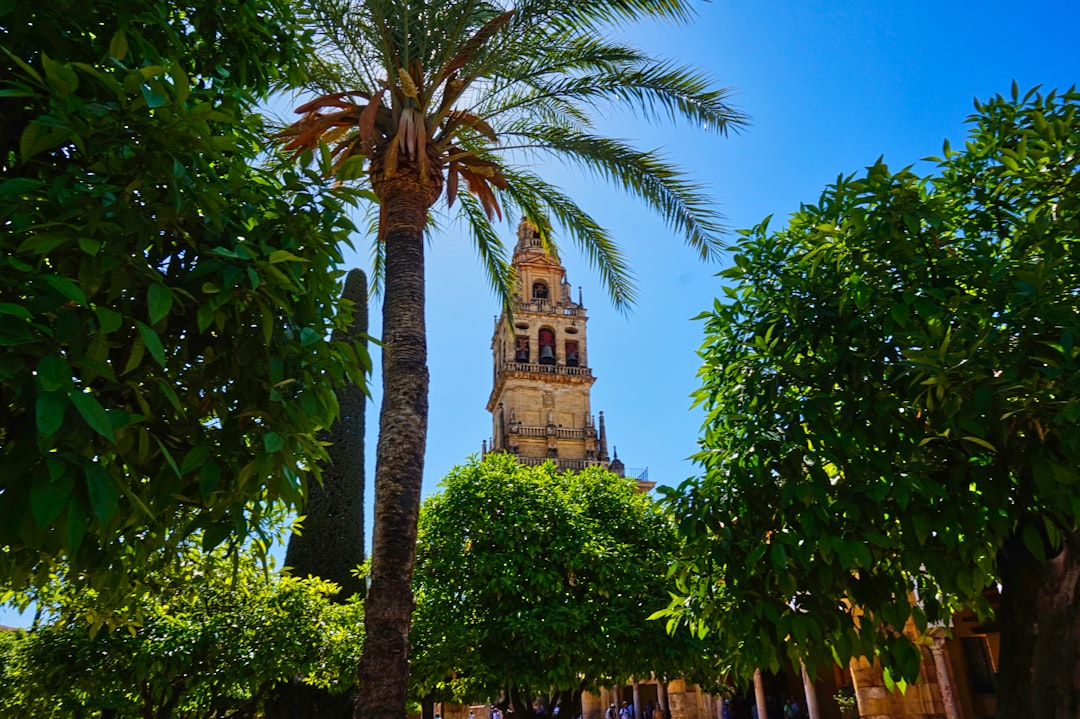
Founded in the 10th century by Caliph Abd al-Rahman III, Medina Azahara represented a symbol of power and prestige, conceived as a palace-city. Its construction, which spanned over 100 years, reflects the skill of the artisans of the time, who created an architectural complex that combined elegance and functionality. Today, the remains of this ancient city tell stories of a past rich in culture and innovation.
History and Origins
Medina Azahara was erected as a response to the growing political and cultural importance of Córdoba in the Islamic world. Caliph Abd al-Rahman III, eager to assert his dominance, decided to build a city that was not only an administrative center but also a place of leisure and beauty. The choice of the site, located on a hill with panoramic views, contributed to creating an atmosphere of grandeur and magnificence.
The city was composed of various buildings, including palaces, mosques, and gardens, all designed with meticulous attention to detail. Despite its partial destruction over the centuries, the remains of Medina Azahara have been the subject of archaeological excavations that have revealed a wealth of information about daily life and cultural practices of the time. This site was declared a UNESCO World Heritage Site in 2018, a recognition that underscores its historical and cultural importance.
Elements to Observe
Visiting Medina Azahara, tourists can admire various architectural elements that testify to the skill of Muslim artisans. Among these, the marble columns and finely decorated mosaics stand out, representing the fusion of different artistic styles. The Great Mosque, with its horseshoe arches, is an emblematic example of Islamic architecture, while the remains of the gardens offer a glimpse into outdoor life of the era.
Another fascinating aspect of Medina Azahara is its urban layout, which reflects careful and sophisticated planning. Visitors can explore the various sections of the city, each with a specific function, and immerse themselves in the history that permeates every corner. Guided tours are particularly recommended, as they provide valuable insights into the history and cultural significance of the site.
Why It Is Interesting Today
Today, Medina Azahara represents not only an important tourist attraction but also a place for reflection on Spain's multicultural history. Its architectural beauty and historical significance make it a landmark for anyone wishing to understand the Islamic influences that have shaped Andalusian culture. Furthermore, the site is an example of how history can be preserved and valued for future generations.
In an era where tourism is constantly evolving, Medina Azahara offers a unique experience, away from traditional tourist circuits. The opportunity to explore a place so rich in history and meaning makes a visit to this site an unforgettable experience, inviting discovery and contemplation.
Practical Information for Visitors
To visit Medina Azahara, it is advisable to plan the visit in advance, considering opening hours and the availability of guided tours. The site is easily reachable from Córdoba, with public transport connecting the city center to the archaeological site. It is recommended to wear comfortable shoes, as the visit requires a certain amount of walking among the ruins.
Additionally, it is useful to bring water and sunscreen, especially during the summer months when temperatures can rise significantly. Taking advantage of modern technology can further enrich the experience: the Secret World app offers detailed information and tips for exploring this extraordinary site.


