


In the heart of Morocco, mosques are not just places of worship, but true symbols of a rich and varied cultural heritage. These buildings, with their unique architectures and fascinating history, offer visitors an unmissable opportunity to immerse themselves in Islamic spirituality and culture. The mosques of Morocco, in particular, are known for their artistic beauty and social significance, making them a key stop for those wishing to understand local life and traditions.

Each mosque tells a story, not only of faith but also of art and architecture. From the simple prayer structures of the early days of Islam to the imposing modern constructions, mosques reflect the evolution of a religion and a culture that has deeply rooted itself in the Moroccan social fabric. The mosque, or masjid, is a place where the community gathers, unites, and celebrates, making it a reference point not only spiritually but also socially.
Historical and Cultural Context

The history of mosques in Morocco is intrinsically linked to the spread of Islam in the country. Since the early centuries after the birth of the religion, mosques have been built as spaces for prayer and gathering. These buildings have undergone significant transformations over the centuries, influenced by various architectural styles, ranging from Andalusian to Arab, to modern elements. Mosques are not only places of worship but also true cultural centers where values and traditions are transmitted.
Each mosque has its own peculiarity, but they all share some fundamental characteristics. The presence of the mihrab, the niche that indicates the direction of Mecca, and the minbar, the pulpit from which sermons are delivered, are essential elements. Moroccan mosques are often adorned with colorful mosaics and intricate decorations that tell stories of faith and art. These details not only beautify the building but also serve to inspire meditation and reflection.
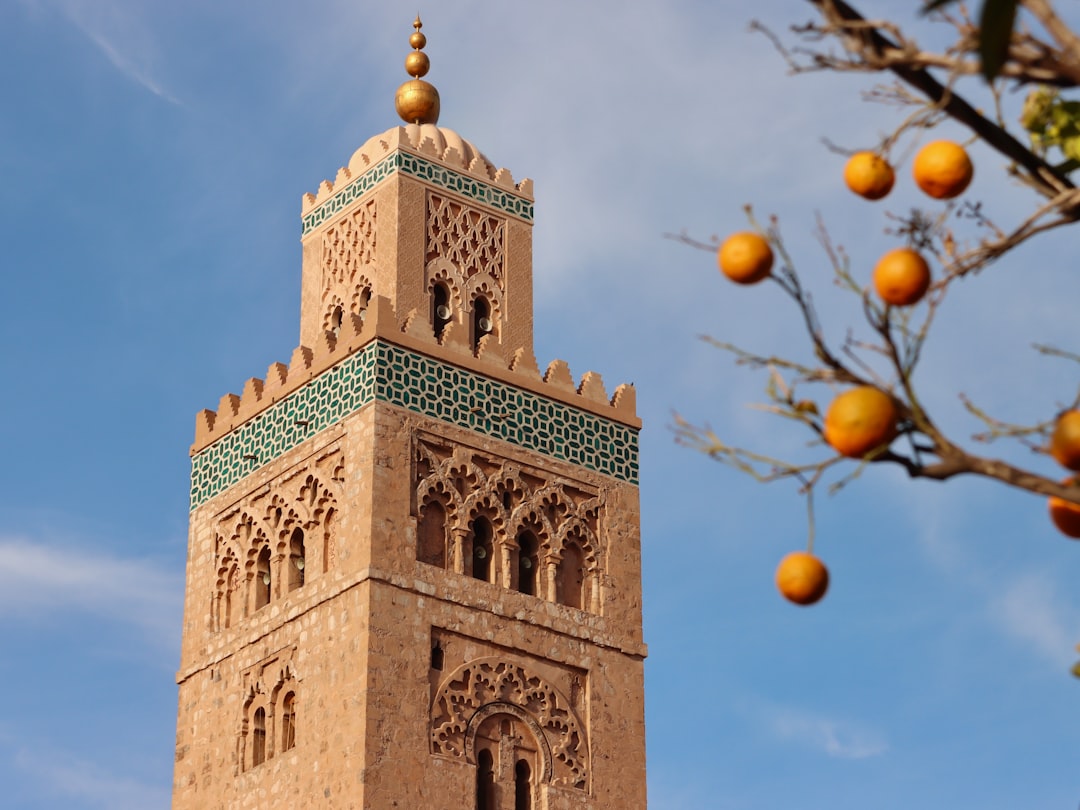
What Strikes You About the Place
Entering a Moroccan mosque is an experience that captivates the senses. The serenity that permeates the air is palpable, and the architecture itself invites contemplation. The spacious prayer halls, with their decorated ceilings and marble floors, create an atmosphere of calm and respect. The light filtering through the windows, often decorated with colored glass, adds a touch of magic to the environment. Every corner of the mosque is an invitation to pause and reflect.
Moreover, the social importance of mosques is reflected in the daily lives of communities. During prayer hours, it is common to see groups of people gathering, creating a sense of belonging and unity. Mosques are also places of learning, where the principles of Islam and Moroccan culture are taught. This aspect makes a visit to a mosque not only an opportunity to admire art but also to understand the life of the local community.
Visiting Experience
Visiting a mosque in Morocco is an experience that requires respect and sensitivity. It is important to inform oneself about behavioral norms, such as appropriate clothing and the need to remove shoes before entering. Many mosques offer guided tours, which can enrich the visitor's understanding of the history and architecture of the place. These tours are an opportunity to learn not only about Islam but also about local traditions and their significance.
Most mosques are accessible to tourists, although some may have restrictions during prayer hours. It is advisable to visit during daylight hours to fully appreciate the beauty of the architecture and the vibrancy of community life. Every visit is an opportunity to engage with locals, listen to their stories, and discover a world rich in meaning.


