
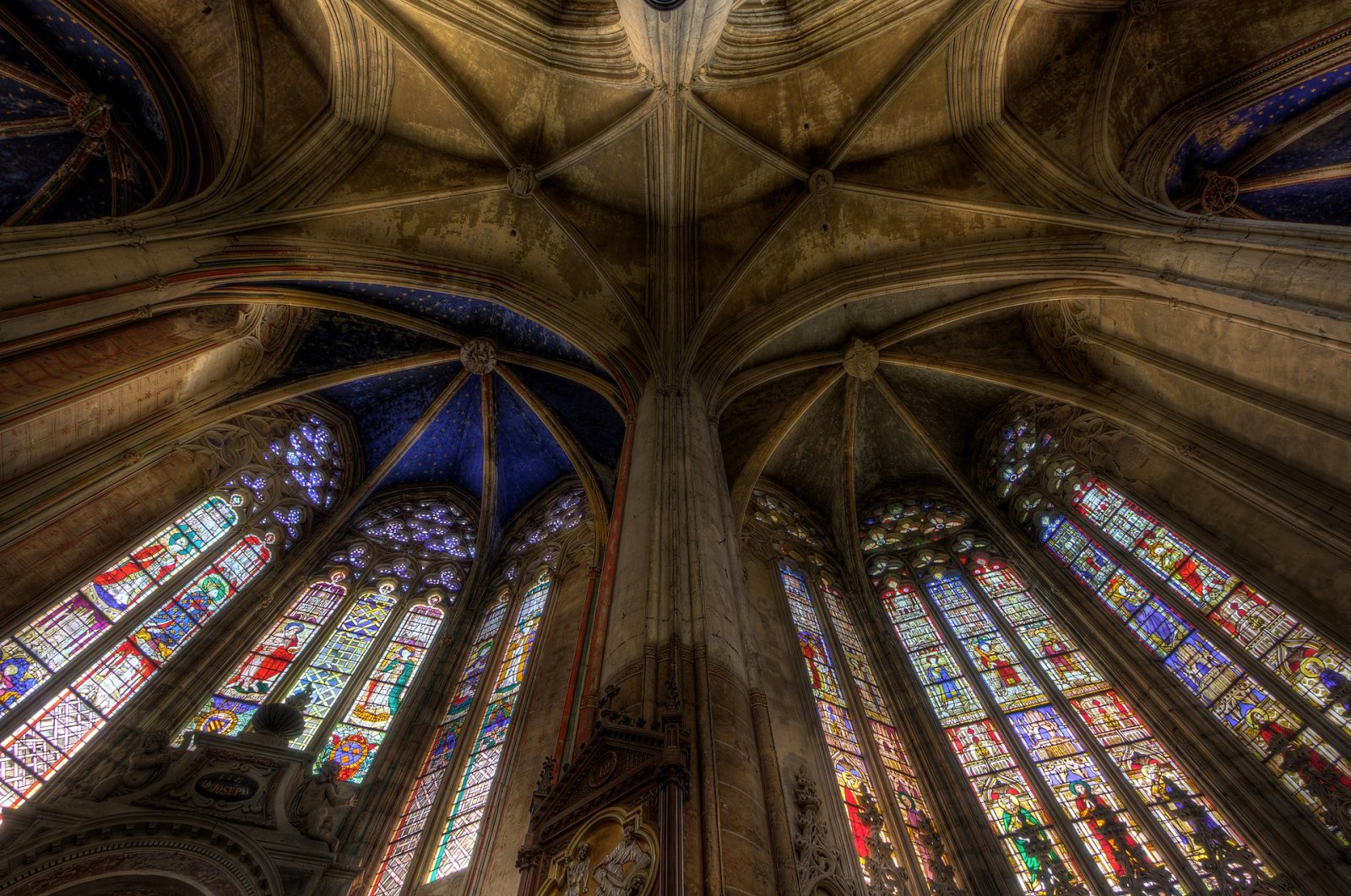

The Cathédrale Saint-Étienne de Toulouse, located in the heart of the vibrant city of Toulouse, is an architectural masterpiece that embodies the rich history and culture of the Occitanie region. With its imposing facade and colorful stained glass windows, the cathedral stands as a symbol of faith and art, attracting visitors from all over the world. The city itself, known for its lively atmosphere and cultural heritage, provides an ideal backdrop for exploring this extraordinary building.
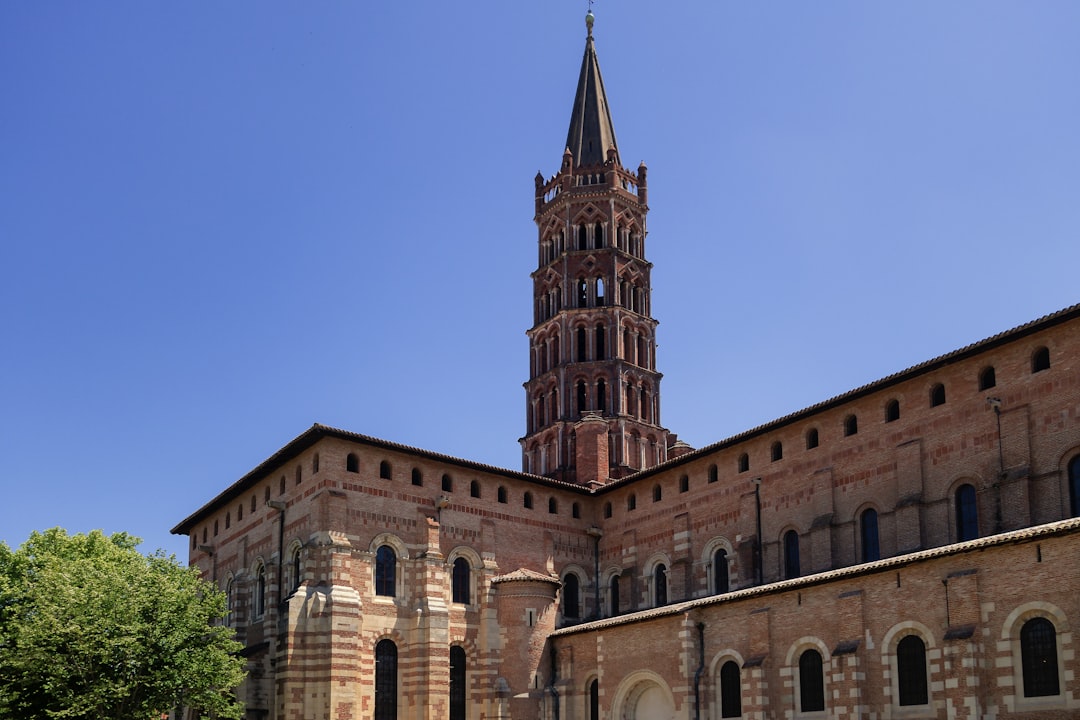
Built between the 13th and 17th centuries, the cathedral represents a mix of architectural styles, from Romanesque to Gothic. Its history is intertwined with that of the city, which emerged as an important religious and cultural center in southern France. The cathedral is not only a place of worship but also an important landmark for the local community, witnessing historical events and significant celebrations.
Historical and Cultural Context
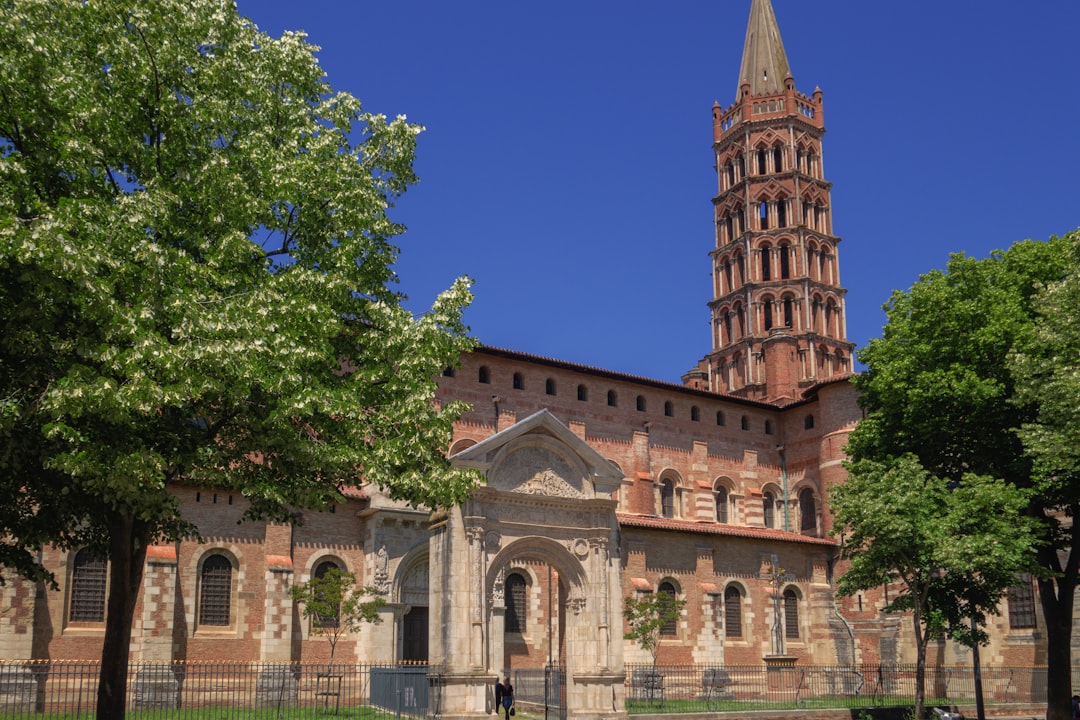
The Cathédrale Saint-Étienne was built to replace a previous Romanesque church, which dates back to the 7th century. Its construction underwent several phases and modifications over the centuries, reflecting changes in architectural tastes and cultural influences that have passed through Toulouse. The cathedral is dedicated to Saint Stephen, the first Christian martyr, and represents an important place of pilgrimage and devotion for the faithful.
The cathedral is also a symbol of the city of Toulouse, which is distinguished by its history related to the aerospace industry and its rugby tradition. The presence of the cathedral, with its majestic architecture, contributes to creating a unique atmosphere that combines spirituality and modernity. The city is a crossroads of cultures and traditions, and the Cathédrale Saint-Étienne is a vivid reflection of this.
What Stands Out About the Place
One of the most fascinating features of the Cathédrale Saint-Étienne is its interior, which showcases a mix of styles and decorations ranging from Gothic to Renaissance. The colorful stained glass windows, some of which date back to the 14th century, tell biblical stories and scenes from the lives of saints, creating an atmosphere of sacredness and beauty. The height of the naves and the light filtering through the stained glass offer an extraordinary visual experience, inviting visitors to reflect and contemplate.
Outside, the facade of the cathedral is equally impressive, with its refined architectural details and sculptures adorning the entrance doors. The bell tower, majestically rising in the Toulouse sky, is a landmark visible from various points in the city, making the cathedral easily recognizable. The combination of history, art, and spirituality makes the Cathédrale Saint-Étienne a must-see during a visit to Toulouse.
Visiting Experience
Visiting the Cathédrale Saint-Étienne is an experience that engages all the senses. Entrance to the cathedral is free, and visitors can freely explore the interior spaces, admiring the stained glass and architecture. It is possible to attend masses and religious celebrations, which offer a unique opportunity to experience the spirituality of the place. Throughout the year, the cathedral also hosts concerts and cultural events, further enriching the visitors' experience.
It is advisable to visit the cathedral during daylight hours, when the sun's rays illuminate the stained glass, creating a magical atmosphere. Additionally, the cathedral's central location allows for easy exploration of the surrounding streets, rich with cafes, restaurants, and shops, where one can savor local cuisine and immerse themselves in the culture of Toulouse. Don't forget to bring the Secret World app, which offers tips and useful information to make the most of this fascinating corner of France.
Practical Information for Visitors
The Cathédrale Saint-Étienne is open to the public every day, with hours varying depending on the season. It is advisable to check the official website for any updates on opening hours and religious celebrations. The cathedral is easily reachable on foot from the center of Toulouse and is well connected by public transport. Additionally, there are several parking areas nearby for those arriving by car.
During the visit, it is important to respect the typical behavior norms of places of worship, maintaining a low tone of voice and wearing appropriate clothing. The cathedral is a place of reflection and prayer, and every visitor is invited to contribute to maintaining an atmosphere of respect and serenity. The Cathédrale Saint-Étienne is not just a place to visit, but an experience to live, enriching one's journey through the history and culture of Toulouse.


