
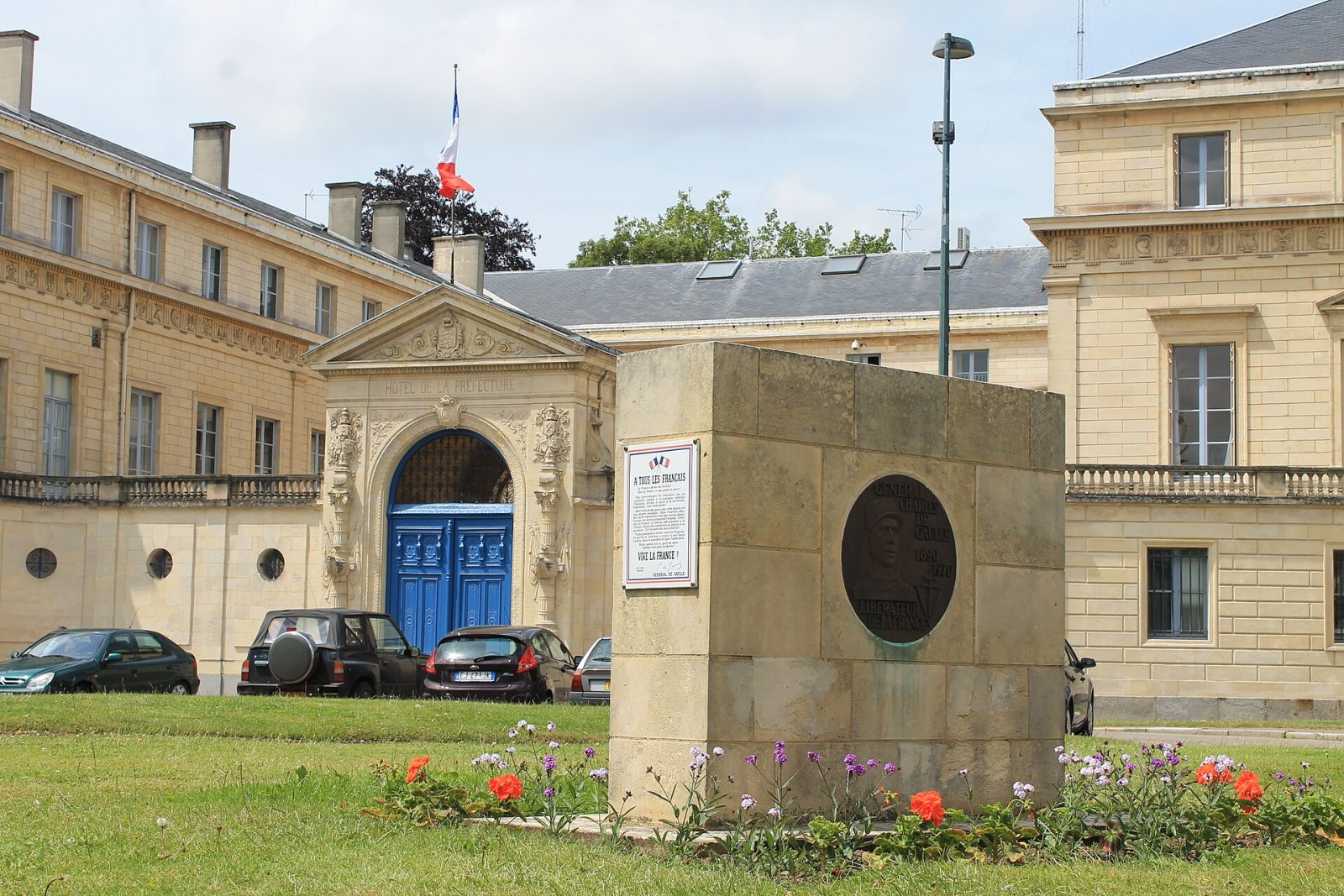

In the heart of Normandy, the Mémorial de Caen stands as a monument to memory and reconciliation, a place where history intertwines with emotion. This museum, dedicated to World War II and the Battle of Caen, invites visitors to reflect on the fragilities of peace and the cost of 20th-century conflicts. Located in the city of Caen, the memorial is easily accessible and represents a key stop for those wishing to understand the complexities of European history.
Officially inaugurated on June 6, 1988, the Mémorial de Caen is not just a museum, but a place of commemoration for the martyr city of liberation. Its architecture, designed by architect Jacques Millet, harmoniously integrates with the surrounding environment, creating a space for reflection and learning. The entrance of the museum is adorned with a poetic phrase by Paul Dorey, embodying the spirit of resilience and hope that permeates the site.
History and Origins
The Mémorial de Caen was conceived to tell not only the story of World War II but also the events that marked the 20th century. Its mission is clear: to honor the victims of conflicts and promote a message of peace and reconciliation. The choice of Caen as the site is not random; the city, severely affected during the war, represents a symbol of struggle and resistance. In this context, the museum aims to educate new generations on the necessity of preserving peace.
The memorial stands on an ancient fortified site, a nod to the military history of the region. Its opening was the result of a long process of design and collaboration among historians, architects, and artists, joining forces to create a space that is both educational and commemorative. Through interactive exhibits and historical materials, visitors can immerse themselves in the complexity of the events that shaped Europe in the last century.
Elements to Observe
Upon arrival, visitors are greeted by a series of flags from the nations involved in the Battle of Normandy, a tangible sign of the unity and diversity of wartime efforts. One of the most significant works is the sculpture "Non-violence" by Swedish artist Carl Fredrik Reuterswärd, which symbolizes the struggle against violence and the desire for a peaceful future. This artistic element perfectly integrates with the message of the memorial, inviting reflection on how violence can be overcome through understanding and cooperation.
Inside the museum, visitors can explore a wide range of exhibits covering various aspects of 20th-century history, from the Cold War to more recent conflicts. The exhibits are designed to engage the public, using modern technologies and compelling narratives that make history accessible to all. Each room offers insights and opportunities to consider the lessons of the past, making the Mémorial de Caen a place of continuous learning.
Why It Is Interesting Today
Today, the Mémorial de Caen represents a crucial place for dialogue and intercultural understanding. In an era where the world still faces conflicts and divisions, the museum's message of peace and reconciliation is more relevant than ever. Visitors are encouraged to reflect not only on history but also on their role in promoting peace in the present and future. The museum's ability to attract a diverse audience, including students and families, testifies to the importance of such spaces in shaping collective consciousness.
Moreover, the Mémorial de Caen is an ideal starting point for exploring Normandy, a region rich in history and natural beauty. Its proximity to the D-Day beaches and other historical attractions makes this place a hub for those wishing to deepen their knowledge of European history. To plan your visit and further discover the wonders of Normandy, you can use the Secret World app, which offers detailed information and useful tips.


