
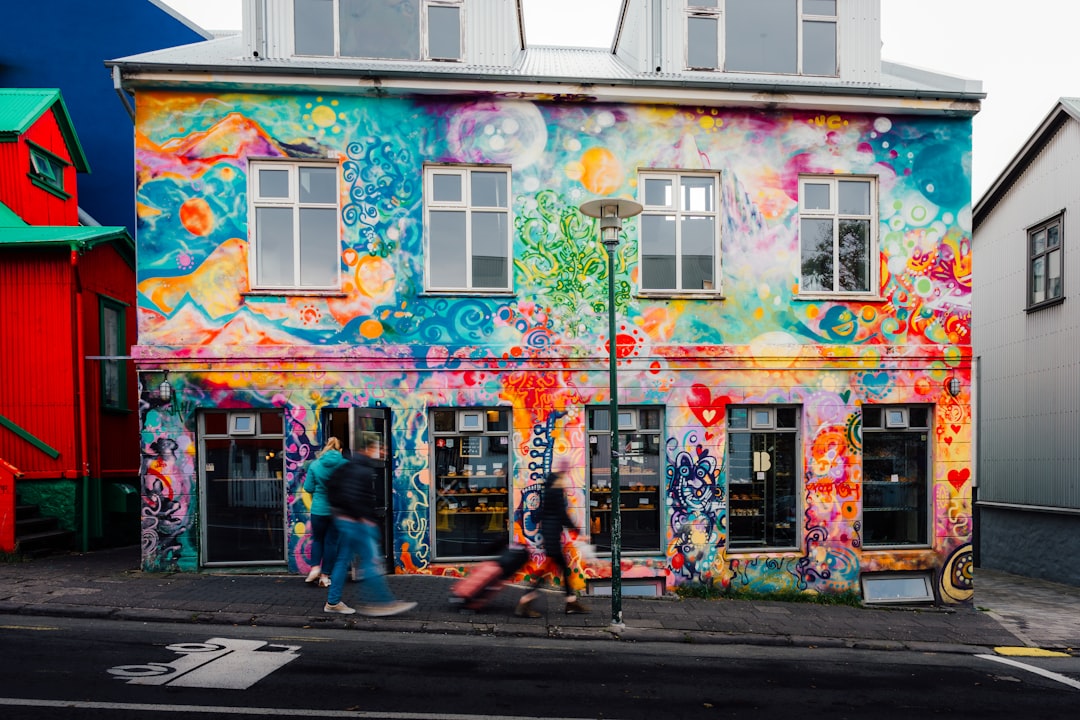

In the vibrant heart of Reykjavík, the capital of Iceland, lies the National Gallery of Iceland, a museum that preserves the rich artistic heritage of the country. Founded in 1884, this institution serves as a landmark for Icelandic culture, offering visitors a fascinating overview of local art and the traditions that have shaped national identity. With a collection spanning from the 19th century to the present day, the museum is a place where history and creativity intertwine, making every visit an unforgettable experience.
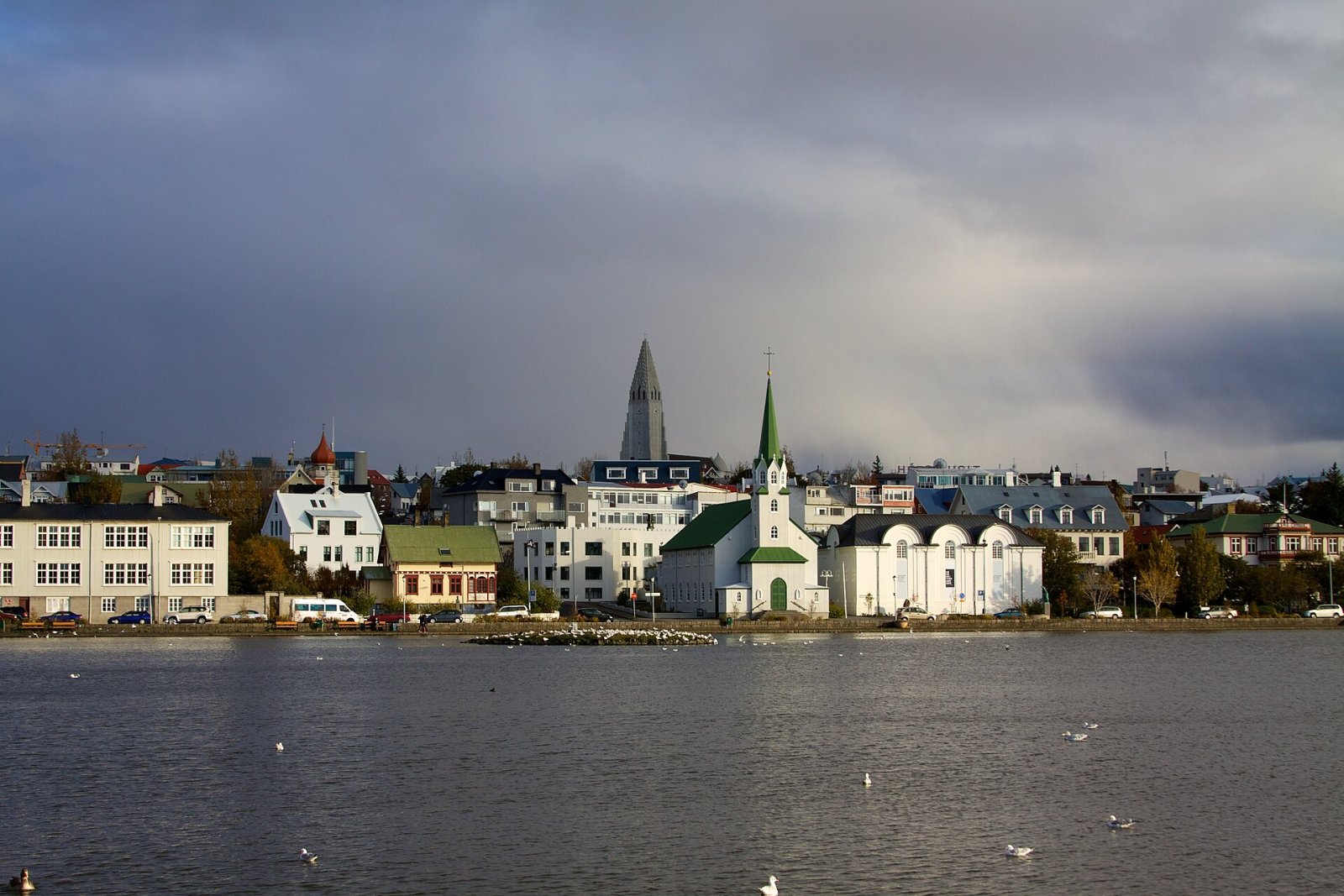
The National Gallery of Iceland is not just a museum, but a true journey through time and space, where works by famous Icelandic artists are displayed alongside pieces that tell the traditional culture of the country. The gallery invites exploration of the soul of Iceland, a place where art becomes a universal language capable of connecting people.
Historical and Cultural Context
The National Gallery of Iceland has a fascinating history that dates back to 1884, when it was founded in Copenhagen by Björn Bjarnarson. Initially, the collection included donated works, predominantly from Danish artists. In 1916, the museum became part of the National Museum of Iceland, a step that marked the beginning of a new era for the institution. Over the years, the museum has continued to grow and evolve, relocating its collection to various sites until its current location on Fríkirkjuvegur.
Today, the gallery not only houses artworks but also represents a vibrant cultural center, where events, temporary exhibitions, and educational activities intertwine, making art accessible to all. Its strategic location in the center of Reykjavík makes it a landmark for residents and tourists alike, highlighting the importance of art in the daily lives of Icelanders.
What Impresses About the Place
Upon entering the National Gallery of Iceland, visitors are greeted by an atmosphere of calm and contemplation. The rooms are lit in a way that enhances each work, allowing appreciation of the details and techniques of the artists. Among the exhibited works, the pieces by Icelandic artists such as Jóhannes S. Kjarval and Erró stand out, capturing the beauty and complexity of the Icelandic landscape and everyday life.
Another striking aspect is the attention given to contemporary art, which offers a glimpse into current creativity in Iceland. The installations and modern works stimulate dialogue and reflection, making the museum a dynamic place where the past and present meet. This fusion of styles and artistic periods makes the National Gallery of Iceland a fascinating place to explore for any art lover.
Visiting Experience
A visit to the National Gallery of Iceland is an experience that engages all the senses. In addition to walking among the artworks, visitors can participate in guided tours that provide insights into the works and the artists, enriching their understanding of the cultural context. Furthermore, the museum regularly organizes events and activities for all age groups, making art accessible and engaging for everyone.
Don’t forget to visit the museum café, where you can enjoy local specialties while contemplating the view of the outdoor garden. This space is ideal for reflecting on the works just seen and for enjoying a moment of relaxation in a stimulating environment. The welcoming atmosphere of the museum ensures that every visit becomes a memorable experience.
Practical Information for Visitors
The National Gallery of Iceland is easily accessible in the center of Reykjavík, making it a must-visit stop for anyone exploring the Icelandic capital. Opening hours are flexible, allowing you to plan your visit according to your needs. It is advisable to check the official website for any temporary exhibitions and special events.
For those who wish to deepen their experience, audio guides are available in various languages, offering a richer perspective on the exhibited works. Finally, don’t forget to download the Secret World app to discover other fascinating places to visit in Iceland, enriching your journey with new experiences and discoveries.


