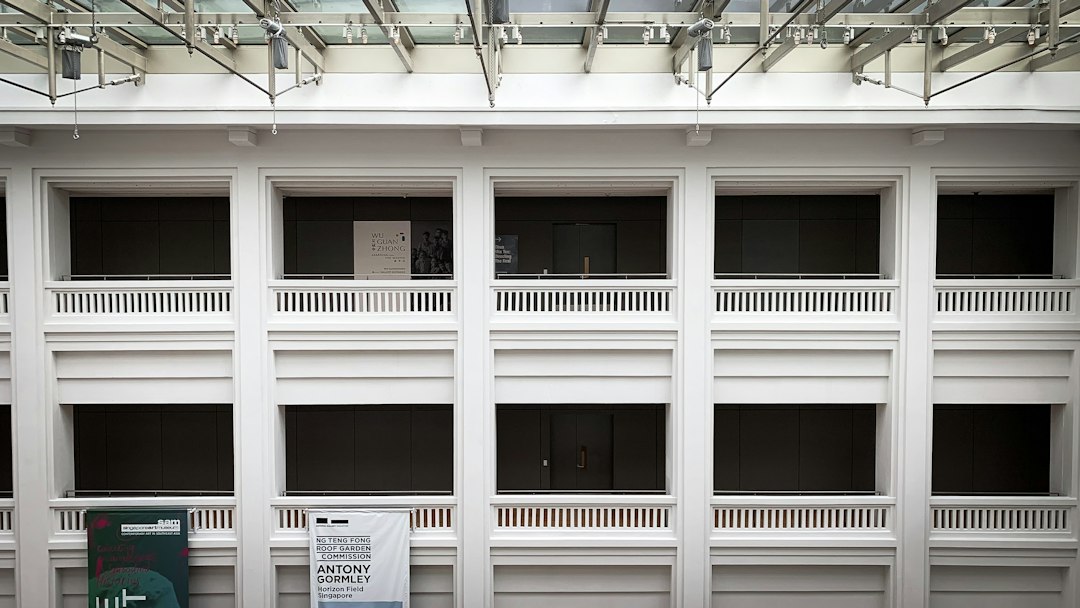

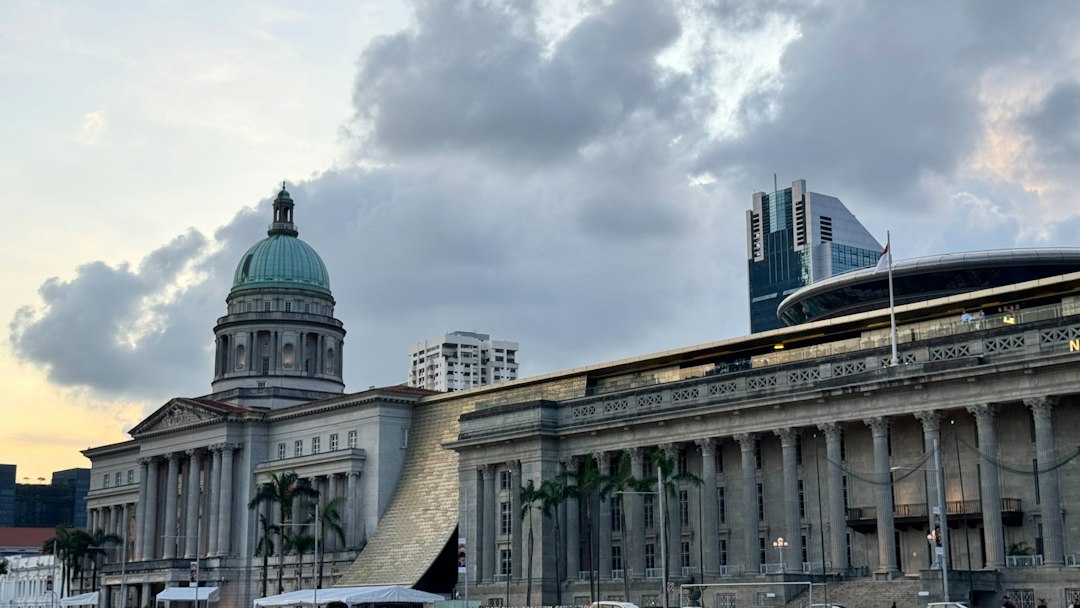
In the pulsating heart of Singapore, amidst modern skyscrapers and lush gardens, stands the National Gallery Singapore, a true treasure trove of art and culture. This museum is dedicated to Southeast Asian art and represents a perfect fusion of past and present. Its architecture, a combination of historic buildings and contemporary spaces, reflects the cultural diversity of the city, enveloping visitors in a unique atmosphere.
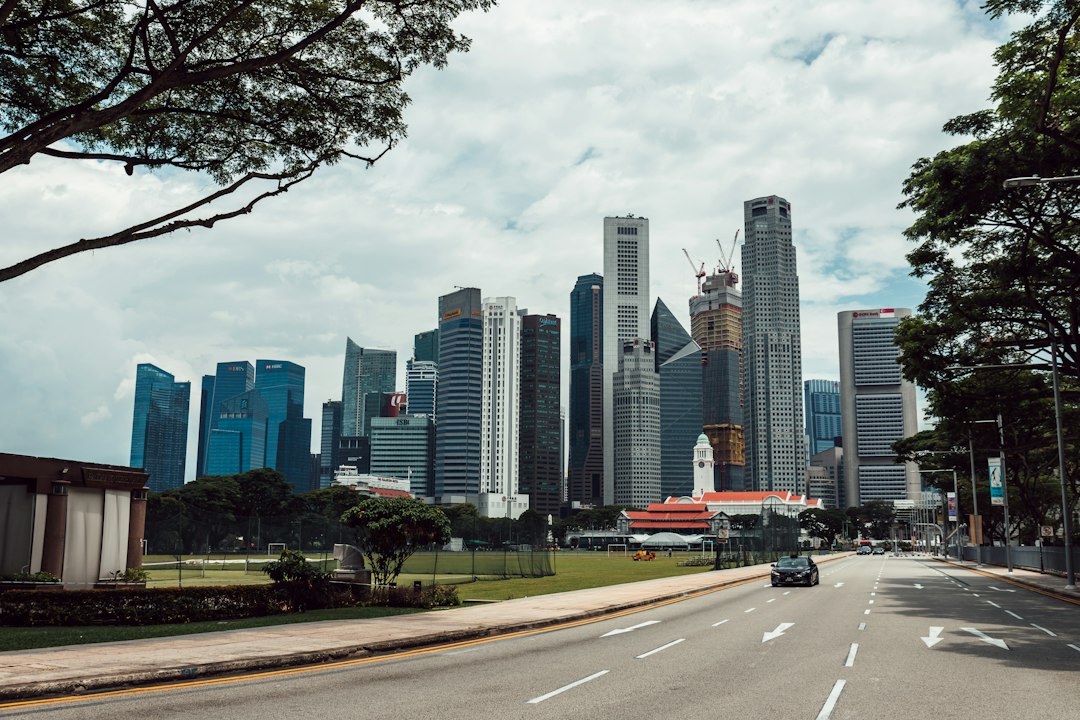
Crossing the threshold of the National Gallery, one is greeted by a breathtaking visual panorama. The vibrant colors of the artworks blend with the natural light filtering through the large windows, creating an almost enchanted atmosphere. Each room tells a story, and each piece is a journey through the cultures and traditions of Southeast Asia.
A Journey Through Time and Art
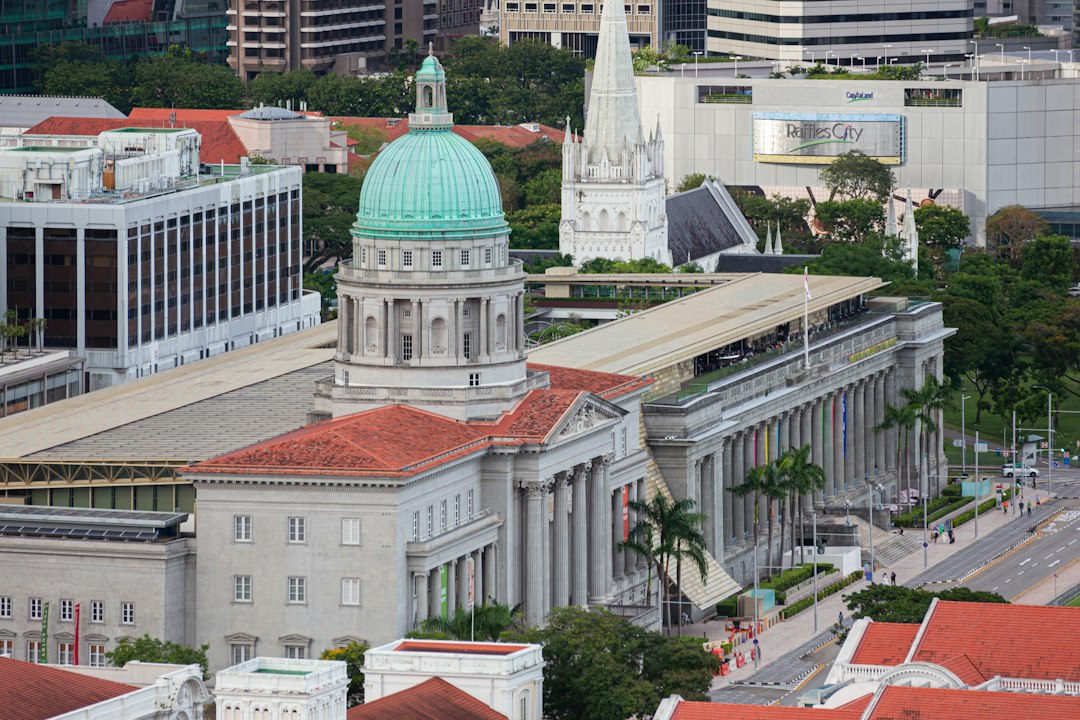
The National Gallery Singapore is not just a museum; it is a journey through time. Its origins date back to 1929, when the City Hall and the Former Supreme Court were inaugurated, historic buildings that today house the museum's collections. It is said that the neoclassical architecture of the City Hall, with its imposing columns and ornate facades, was inspired by European palaces, while the Former Supreme Court reflects local elements. Walking through the corridors, one can feel the weight of history blending with contemporary art.
Inside, the museum houses over 8,000 works, many of which are unique in their kind. Among the most famous masterpieces are the works of local artists such as Georgette Chen and Liu Kang, who have managed to capture the essence of Singaporean culture. The temporary exhibitions, which alternate throughout the year, offer a constantly new perspective on art, making each visit a unique experience.
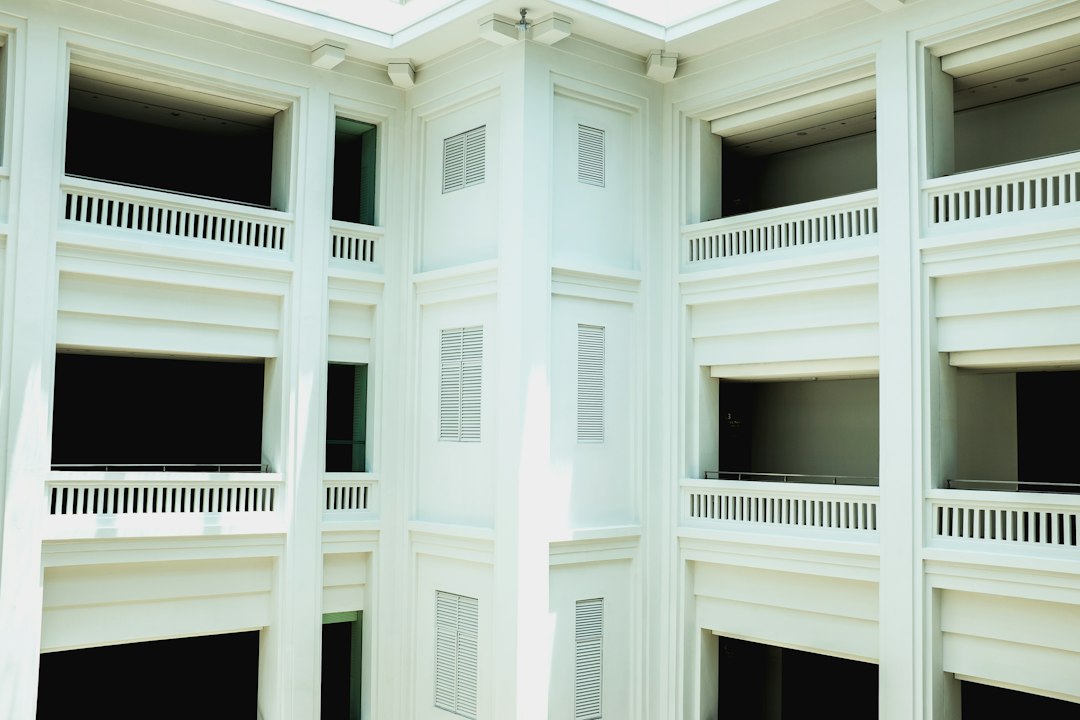
Curiosities and Hidden Legends
Every corner of the National Gallery hides curiosities and legends. It is said that during the renovation of the buildings, some craftsmen discovered ancient inscriptions on the walls, dating back to when the Town Hall was a nerve center of public life. These inscriptions, which tell stories of justice and governance, have been incorporated into the design of the museum, creating a tangible link to the past.
Moreover, it is worth mentioning an intriguing sculpture located in the museum's garden. A work by the Swiss artist Alberto Giacometti, titled