
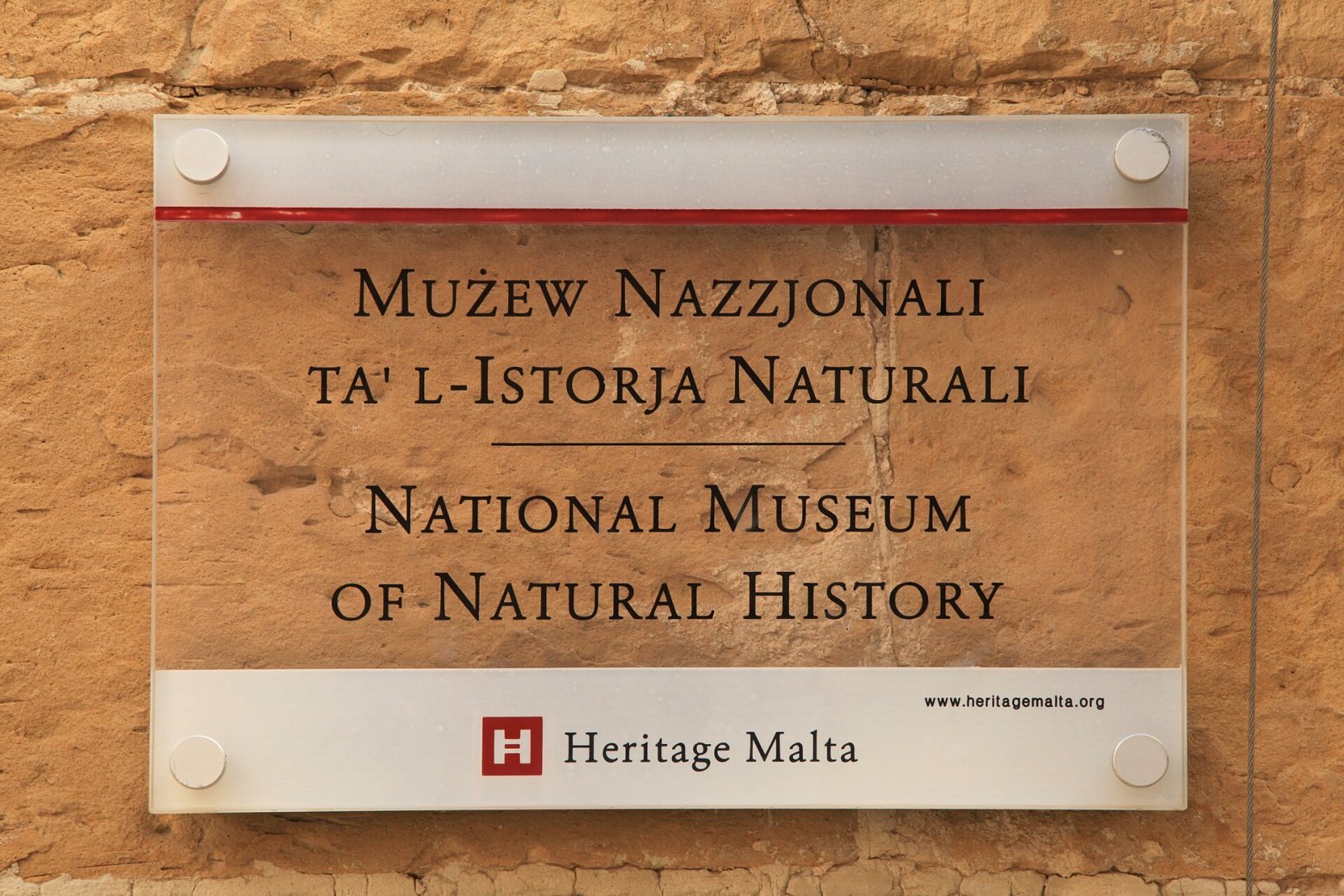

In the heart of the historic medieval city of Mdina, the National Museum of Natural History offers a fascinating journey through the biodiversity and geology of the Maltese archipelago. Located within the magnificent Vilhena Palace, a masterpiece of French Baroque architecture, this museum represents an important cultural attraction for residents and tourists. Opened in 1973 and managed by Heritage Malta, the museum is the ideal place to discover Malta's rich natural history.
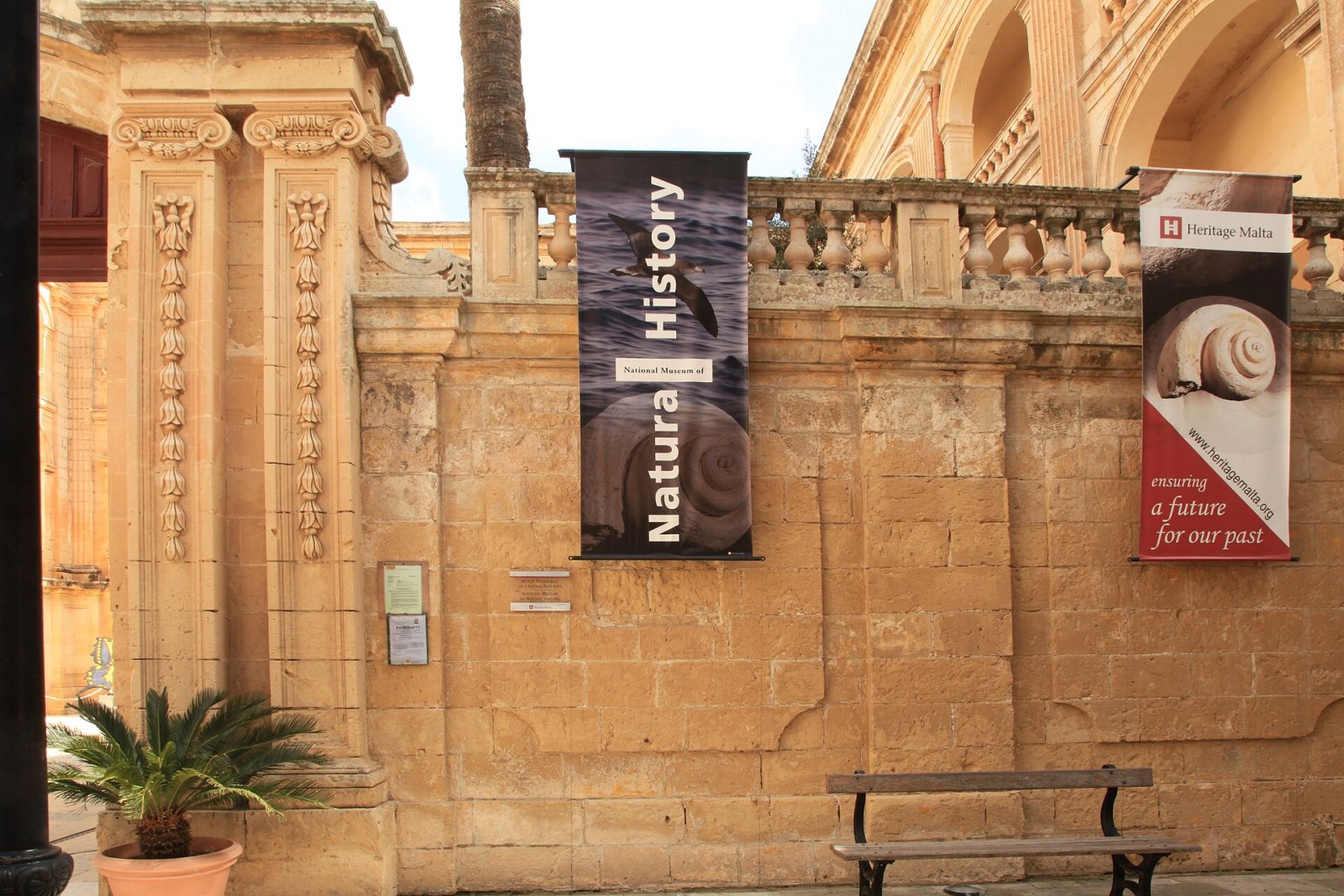
The Vilhena Palace, dating back to 1726, was designed by Charles François de Mondion at the request of Grand Master Antonio Manoel de Vilhena. Its elegant architecture and surrounding gardens create a suggestive atmosphere that makes the visit a memorable experience. The museum not only displays a wide range of artifacts but also provides an in-depth look at the unique ecosystems of the islands, with a particular focus on endemic plants and birds.
Historical and Cultural Context
The National Museum of Natural History is not just a place of exhibition, but a guardian of Malta's natural history. Its collection includes minerals, fossils, and a variety of animal species that tell the story of Maltese biodiversity. The museum's location in the Vilhena Palace, a historic building, adds an additional layer of significance, as the palace itself is an example of the architectural grandeur of the Knights of Malta era.
The museum's history is also marked by significant events, such as the theft of the Apollo 17 moon rock in 2004, an episode that attracted international attention and highlighted the importance of the displayed artifacts. Through its collections, the museum not only celebrates nature but also offers an important reflection on conservation and respect for the environment.
What Stands Out About the Place
Upon entering the museum, visitors are greeted by an extraordinary variety of exhibits ranging from geology to paleontology, to marine and terrestrial ecosystems. One of the most fascinating aspects is the section dedicated to birds, particularly the Blue Rock Thrush, a symbol of Maltese avifauna. Each exhibit is carefully curated, allowing visitors to better understand the richness of the natural life surrounding the islands.
Another distinctive feature of the museum is its ability to engage the public through interactive installations and informative panels. These elements not only enrich the experience but also stimulate curiosity and interest in natural science. Every corner of the museum tells a story, inviting visitors to explore and discover more about what makes Malta such a unique ecological place.
Visiting Experience
A visit to the National Museum of Natural History is an experience that unfolds through well-curated thematic rooms, where each artifact is presented clearly and engagingly. Visitors can take their time to explore the various exhibits, appreciating the beauty and variety of Maltese nature. The spaces are well-lit and organized, creating a welcoming environment that fosters learning and discovery.
Additionally, the museum offers educational activities and workshops for families and schools, making it an ideal place for a visit with children. The combination of learning and fun makes the National Museum of Natural History a great choice for anyone looking to deepen their knowledge of nature, both for residents and tourists. Don't forget to check the Secret World app for more suggestions on what to explore in Malta.


