
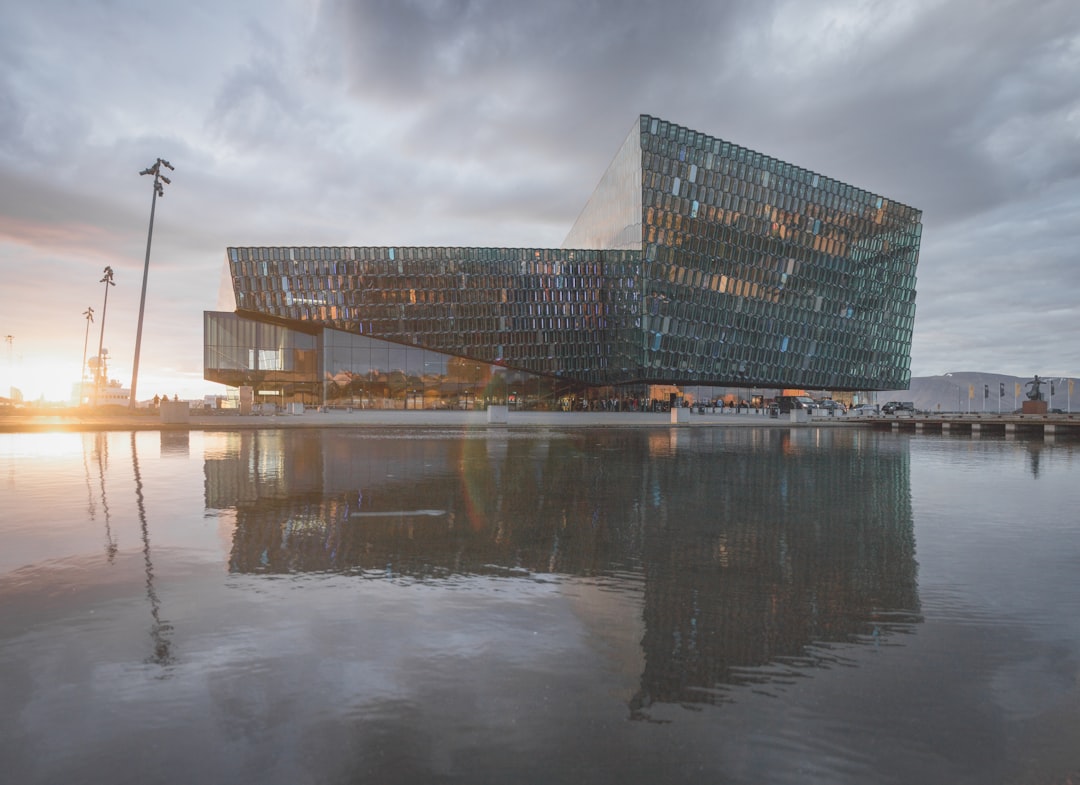

In the heart of Reykjavík, the Reykjavik Museum of Photography emerges as a beacon of culture and creativity, housing a vast collection of over five million photographs that tell the visual history of Iceland from 1870 to the present day. This institution, inaugurated in 1981 and reopened to the public in 1987 under its current name, is an unmissable landmark for those wishing to explore the soul of the country through the lens of professional and amateur photographers.
The museum is located in a prime position, within the same building as the city library, on Tryggvagata. This location not only facilitates access for visitors but also creates an inspiring environment where photography and literature meet, offering a complete cultural experience. The museum's mission is to awaken interest in the cultural role of photography, a goal reflected in its varied and engaging exhibitions.
Historical and Cultural Context
The Reykjavik Museum of Photography originated from a private collection, evolving over time thanks to the commitment of the city of Reykjavík, which took over the management of the museum in 1987. This transformation allowed the museum to expand its collection and integrate photographs covering various aspects of Icelandic life, from portraiture to landscapes, from advertising images to historical documentation. The merger with other local museums in 2014 further enriched the cultural offering, creating a network of institutions that celebrate the history and culture of Iceland.
Reykjavík, as the capital and cultural center of Iceland, offers a unique context for the museum. The city is characterized by a vibrant artistic and cultural scene, with a population that embraces its historical roots while looking towards the future. The museum not only preserves photographic heritage but also serves as a platform for contemporary artists, nominating Icelandic photographers for prestigious international awards such as the Henri Cartier-Bresson Award.
What Stands Out About the Place
What makes the Reykjavik Museum of Photography particularly fascinating is the variety and richness of its collection. The photographs, ranging from intimate portraits to scenes of everyday life, offer a unique glimpse into Icelandic society. The opportunity to observe changes over time through images is an experience that leaves a deep mark, allowing visitors to connect with local culture in a tangible way.
Moreover, the design of the museum itself, with well-curated exhibition spaces and a welcoming atmosphere, invites a prolonged visit. The temporary exhibitions, which often showcase works by contemporary photographers, provide further food for thought and stimulate debate on current social and cultural issues. Each visit thus becomes an opportunity to discover something new and unexpected.
Visiting Experience
Visiting the Reykjavik Museum of Photography is an experience that engages all the senses. Upon entering, visitors are welcomed by a warm and inviting atmosphere, with staff available to provide information and guide through the various exhibitions. The captions of the works, written in Icelandic and English, offer historical and artistic contexts that enrich the understanding of the images.
The museum also organizes events and activities, such as workshops and lectures, allowing visitors to delve deeper into the world of photography and interact with industry professionals. This interactive dimension makes the visit even more engaging, transforming the museum into a place of learning and discovery.
Practical Information for Visitors
The Reykjavik Museum of Photography is easily accessible due to its central location. Opening hours are generally flexible, allowing visitors to plan their visit according to their needs. It is advisable to check the museum's official website for any updates on special events or temporary exhibitions.
For those wishing to further enhance their experience, it is possible to download the Secret World app, which offers additional information and suggestions on other cultural attractions not to be missed in the city. This tool can prove useful for navigating the rich artistic landscape of Reykjavík, making the visit even more memorable.


