
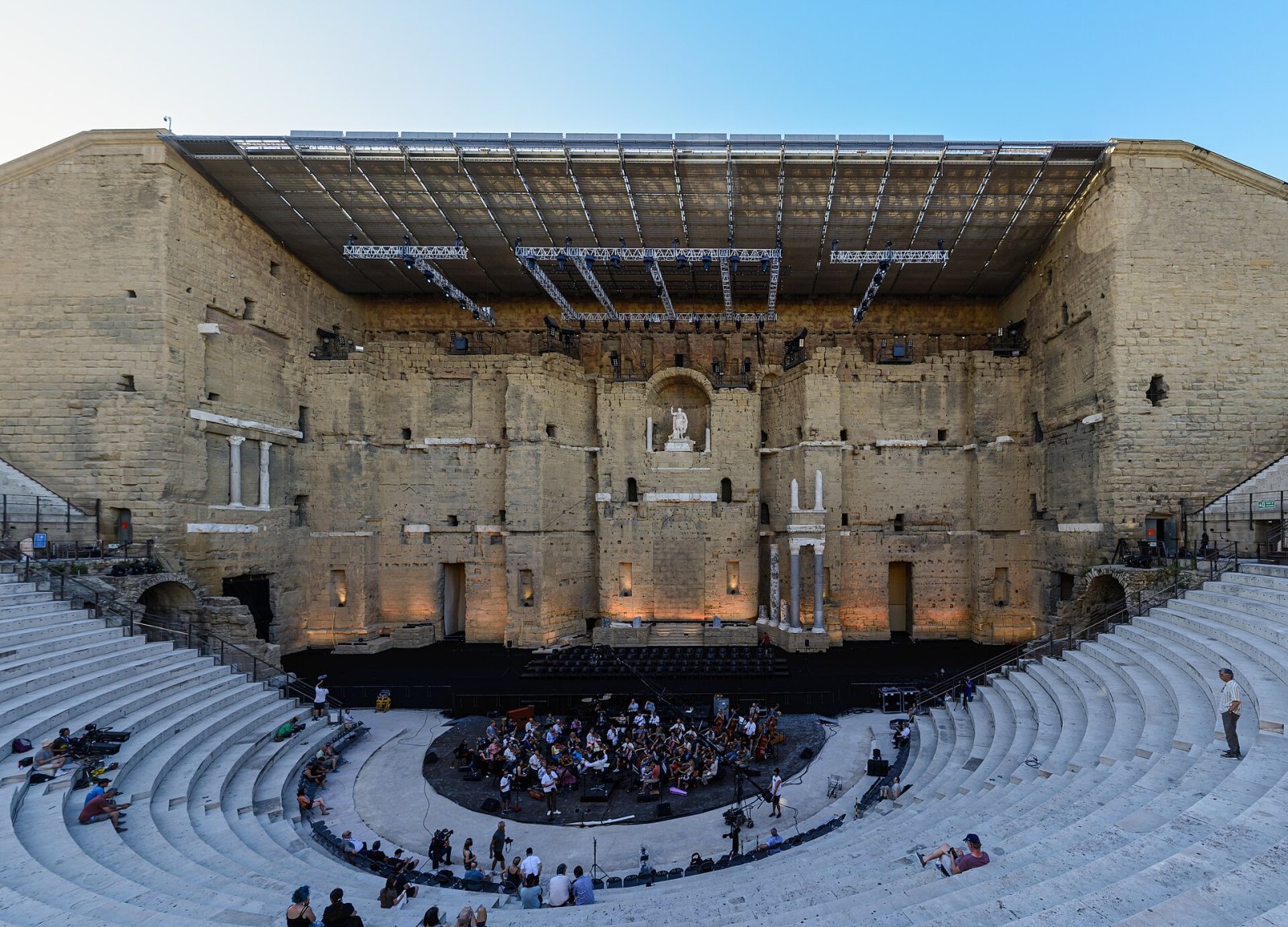

Set in the heart of Provence, the Théâtre Antique d'Orange represents one of the most extraordinary testimonies of Roman architecture. Located in the city of Orange, this ancient theater was built in the 1st century AD and stands out for its majestic structure, which has withstood the test of time. Its grandeur not only attracts tourists from all over the world but also offers a fascinating glimpse into the cultural life of the Roman era.
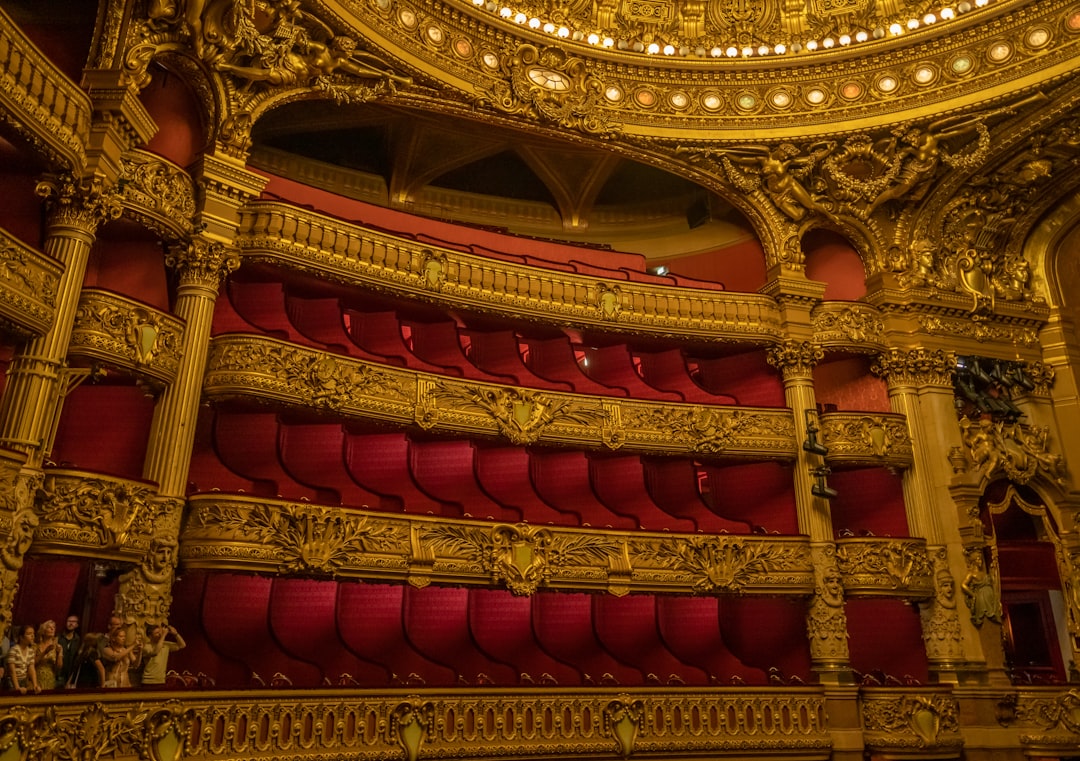
Visiting it means immersing oneself in a past rich in history and art. The theater, with a capacity of about 10,000 spectators, is an exceptional example of ancient engineering, with surprising acoustics that allow anyone to hear performances even from the last rows. Every year, the theater hosts festivals and shows, keeping alive the cultural tradition that has characterized it over the centuries.
History and Origins

The Théâtre Antique d'Orange was built during the reign of Emperor Augustus, and its origin is closely linked to the growth of the city of Orange as a cultural and commercial center. This place was not only a point of entertainment but also a symbol of power and prestige for the local community. Its architecture features typical elements of the era, such as the monumental stage and well-preserved seating, which tell stories of performances that captivated audiences in past times.
Over the centuries, the theater has undergone various restorations and modifications, particularly after its abandonment during the Middle Ages. However, its historical significance has been recognized, and in 1860 it was classified as a historical monument. Today, the Théâtre Antique d'Orange is considered a UNESCO World Heritage Site, a recognition that underscores its cultural and historical value.


